



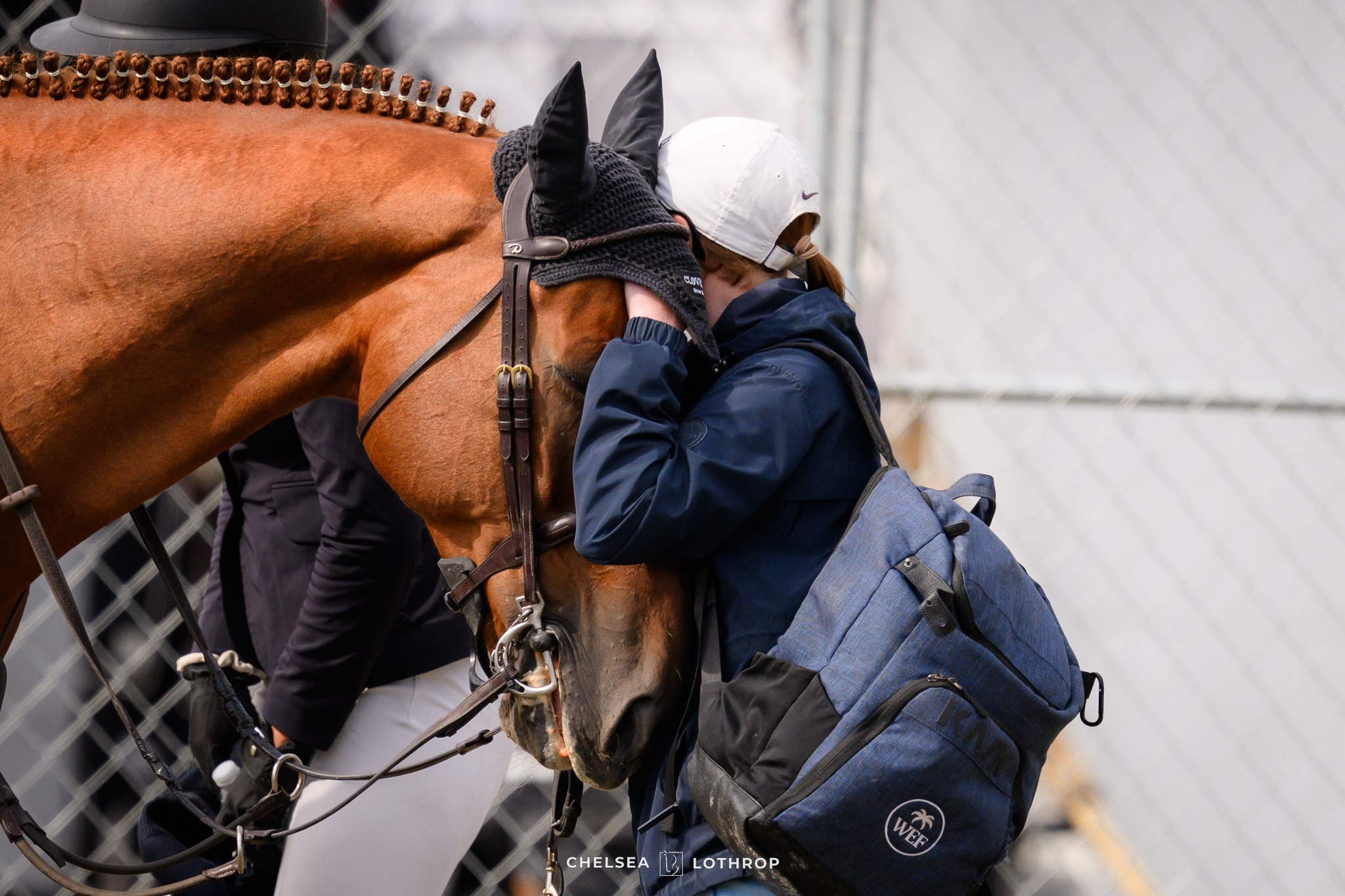
This October, HorseGrooms is partnering with Horses for Mental Health (HMH) for the first-ever HORSETOBER™, an annual celebration of the horse-human connection and the many ways horses positively impact our lives.
At the heart of HORSETOBER is the braid, a symbol of connection that brings together stories from across the horse world about the profound impact horses have in our lives and communities.
For grooms, the braid has an especially fitting meaning. Braiding may be part of the work, but the symbolic meaning goes deeper: it reflects relationships woven through countless hours of caring for and being alongside horses.
So much of a groom’s relationship with horses is about noticing, understanding, and caring for them. But those relationships have a way of shaping us, too.
What do our relationships with horses teach us about ourselves?
We explored that question with three professional grooms through the horses they know best. Their stories take us beyond the work itself and into something harder to measure: knowing a horse deeply, learning from them, loving them, and discovering what those relationships can mean for our own wellbeing.
Shannon Price – Knowing Them So Well
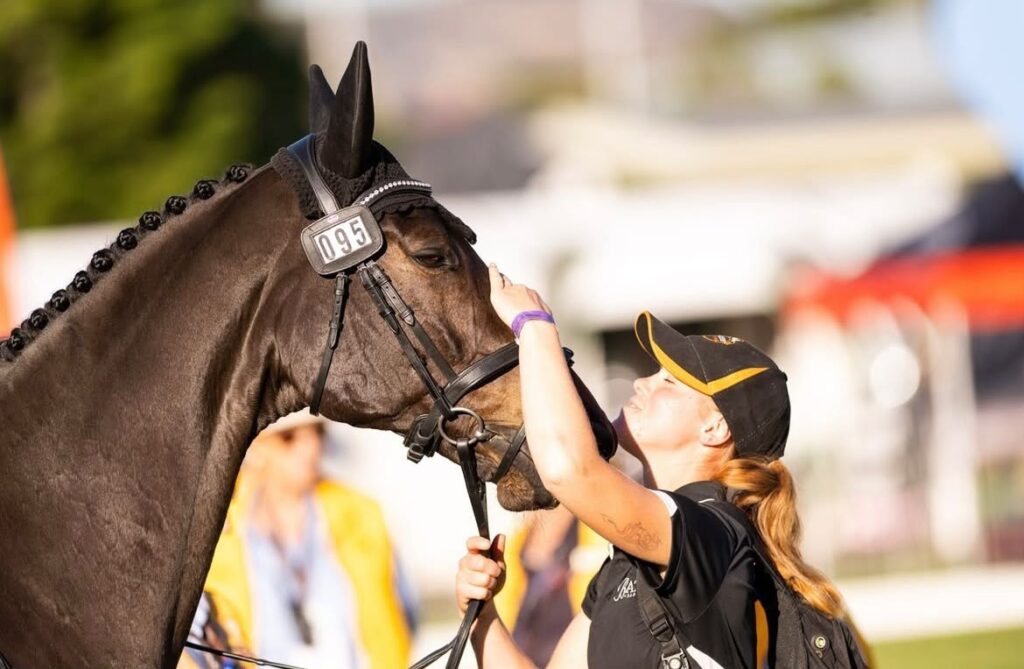
Shannon Price has spent the past several years grooming for a 5* Event rider in Melbourne, Australia, caring for a team of about ten horses. When she thinks about the horse-human connection, she thinks first about the ordinary moments that happen every day.
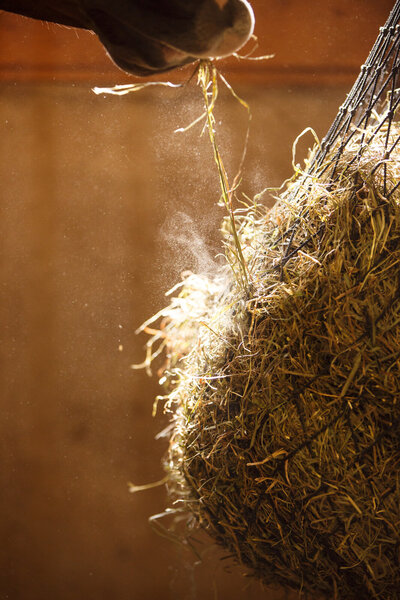
“Every morning starts with feeding.” Through daily repetition, she comes to know “every tiny little thing about these horses,” well enough to notice subtle shifts in behavior even when she can’t name exactly what has changed.
“Sometimes it’s quite literally a vibe.”
For Shannon, that is the connection: “I know them so well.”
And beneath all that knowing and caring is something that came through again and again in our conversations with the grooms: love for the horses.
These horses aren’t simply part of the work. They can become family. Through countless ordinary moments of caring for them, grooms build relationships that can shape their own lives in unexpected ways.
Kate McKeown – What Horses Teach Us About Ourselves
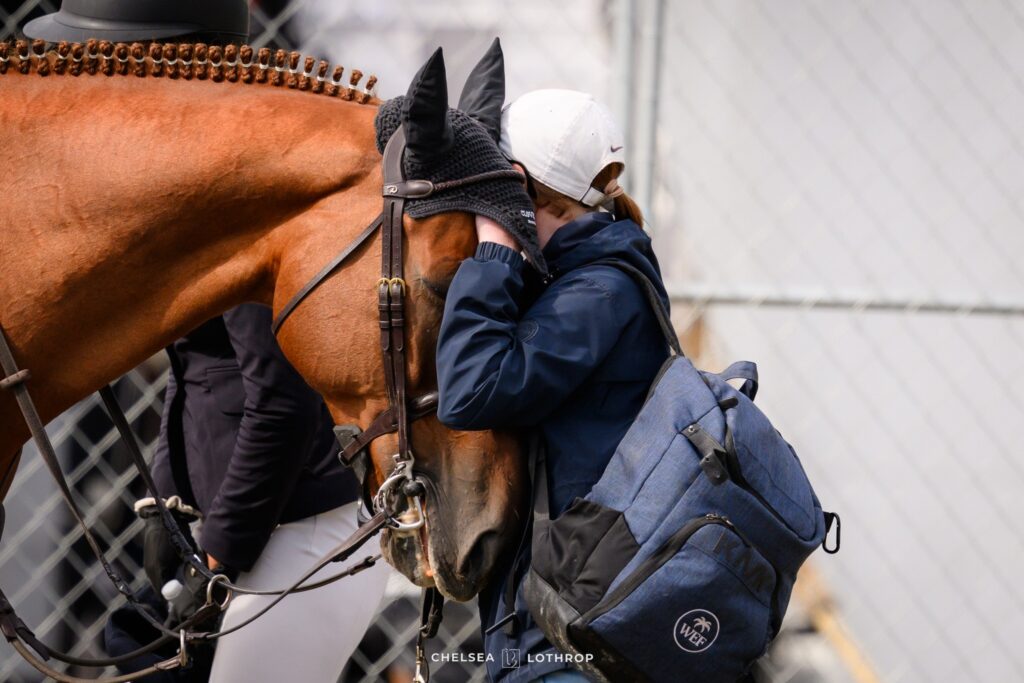
For Kate McKeown, a groom who left Sligo, Ireland to work on the U.S. show jumping circuit, one of those horses is Frank.
She has cared for him for roughly ten years. Frank was there through school, university, her first job, and eventually her move across the Atlantic.
“Every change that I’ve had in life for the past 10 years, he has been there,” Kate says. She describes Frank as a “constant.”
He has also taught her something about herself. “Everything has to be slow with him,” she explains. Through years of caring for Frank, she has learned to slow down and not “be in a rush to do everything.”
Connor
For Shannon, a horse named Connor taught a different lesson. “He’s taught me to be more aware of how I’m feeling,” she says, and of how what she brings into an interaction can affect him. When she recognizes that she is irritated or stressed, she says she has learned to “check myself.” She continues, “it’s good for my own wellbeing as well as theirs.”
Eva Jensen-Wark – Sometimes, Trying Harder Isn’t the Answer
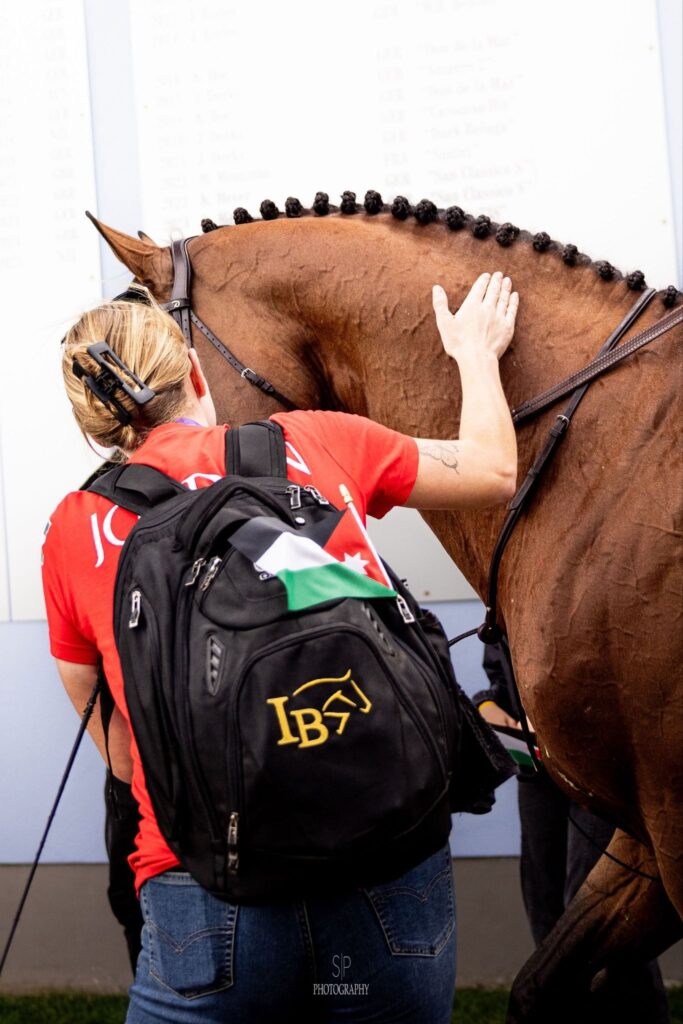
Eva Jensen-Wark, who recently groomed at the FEI World Championships in Jumping in Aachen, Germany, describes another lesson familiar to anyone who has worked closely with horses: sometimes trying harder isn’t the answer.
“I’ve learned a lot of patience through working with horses,” she says.
When something isn’t working, she has learned to “take a deep breath… take a step back, and look at the big picture.” She reflects, “The horse is trying to talk to me, it’s trying to tell me something. How am I going to listen?”
Different horses. Different relationships. Different lessons.
Sometimes, while learning to understand the horse, we begin understanding ourselves.
Sometimes, It’s Just Being Together
For grooms, so much of the day is doing: feeding, mucking, grooming, tacking, wrapping, walking, traveling, preparing, monitoring.
So it stands out when Shannon describes the rare moments she isn’t doing anything at all. When she sees one of her favorite horses lying down, she’ll sometimes stop and join him. “There have been a couple of times where we will literally lie down in the paddock together for a few minutes and just take the time to be in each other’s space.”
She describes those as some of her favorite moments: “just taking the time and being.” No task. No performance goal. Just connection.
In a profession where there is always something else that needs doing, those pauses can require intention. To stop. To be present. To spend a few moments with a horse without needing anything to happen.
Sometimes those quiet moments are where we feel the relationship most.
The Horse Who Was There
For Eva, that quiet presence became especially meaningful during one of the hardest moments of her life.
A few weeks after her father unexpectedly passed, she was living in an apartment above a barn in Wellington. One night, struggling with her grief, she went downstairs to see Cadeau, a little gray jumper she had spent the previous year caring for.
“I was having a really hard time working through my grief,” she remembers. She opened his stall, brought over a stepladder, and sat beside him. “I was crying, I was very upset, and he put his head on my shoulder, and he just sat with me like that for I don’t know how long, maybe 10 or 15 minutes.”
Then Eva says something many horse people will understand in their own way: “I swear he knew.”
Whatever Cadeau understood in that moment, Eva is clear about what his presence meant to her. “I needed somebody, and he was my comfort in that moment.”
There are times when connection doesn’t require words or solutions. Sometimes, it is simply the comfort of not being alone.
That doesn’t mean a horse replaces the people or professional support we may need when navigating grief, stress, anxiety, depression, or other challenges. But moments like Eva’s hold profound meaning.
In a moment when she needed connection, the relationship she had built with Cadeau mattered deeply.
Caring for Yourself Is Part of Caring for Them
Care can be harder to turn toward ourselves, especially in a profession that asks so much of the people doing it.
All three grooms spoke openly about the realities behind a life working with horses: long days, physical exhaustion, travel, time away from family and friends, competition pressure, loneliness, and sacrifice.
Shannon describes the “constant ups and downs” as mentally challenging alongside “the general physical hard work of the long days.”
Eva captures both sides of that commitment simply: “I love my job. I love my horses.”
And:
“We sacrifice a lot for it.”
But the emotional demands of grooming aren’t only about how much work there is. They are also about how much grooms love the horses.
That love was mentioned often in our conversations. These horses become family. The depth of those relationships is part of what keeps grooms going through long days and difficult moments. It is also why the emotions surrounding the work can run so deep.
There is joy, pride, laughter, and connection. There can also be worry, grief, loss, and heartbreak. Being a groom asks a lot physically. Loving horses this deeply can ask a lot emotionally, too.
A Sports Psychologist Through the Australian High-Performance System, Also for Grooms
For Shannon, caring for herself has become part of caring well for the horses. Through the Australian high-performance system, she has access to a sports psychologist who works with grooms as well as riders, and she checks in with him before major competitions. “You need to be in the right headspace for your horses and your riders,” she says. “I have to look after myself if I want to look after my horses and my rider.”
Her advice to other grooms comes from that same devotion: “We’d do anything for the horses, which means that we’ve got to do the same for ourselves.”
Eva deliberately creates space for life outside work, whether Pilates, camping with family, dinner with friends, learning German, or simply watching Netflix. “You have to try and make some time for yourself,” she says.
Kate points to another important source of support: other people. She has watched conversations about mental health become more open within the horse world, including between grooms themselves. Talking about what we’re going through can help us realize we aren’t alone. “If you’re not sharing how you’re feeling, it’s very hard to start feeling better.”
And sometimes the value is simply being known: “Even just knowing that somebody knows how you feel goes a long way.”
Horses can play a meaningful role in our mental health and wellbeing, but none of us thrives through one relationship alone. Friends, family, colleagues, community, and qualified professionals when we need them can all be part of the circle of connection and care that supports us.
Taking care of ourselves doesn’t make us any less dedicated to the horses.
It can be part of how we keep showing up for those we love.
What Is the Connection Behind Your Braid?
Frank was Kate’s constant and taught her to slow down.
Connor helped Shannon become more aware of herself.
Cadeau offered Eva comfort during one of the hardest moments of her life.
Three grooms. Three horses. Three profound connections. And there are thousands more. That’s what HorseGrooms and Horses for Mental Health want to celebrate together during HORSETOBER™.
Horsetober & #PassTheBraid
Throughout October, The #PassTheBraid Challenge invites you to:
- Spend meaningful time with a horse,
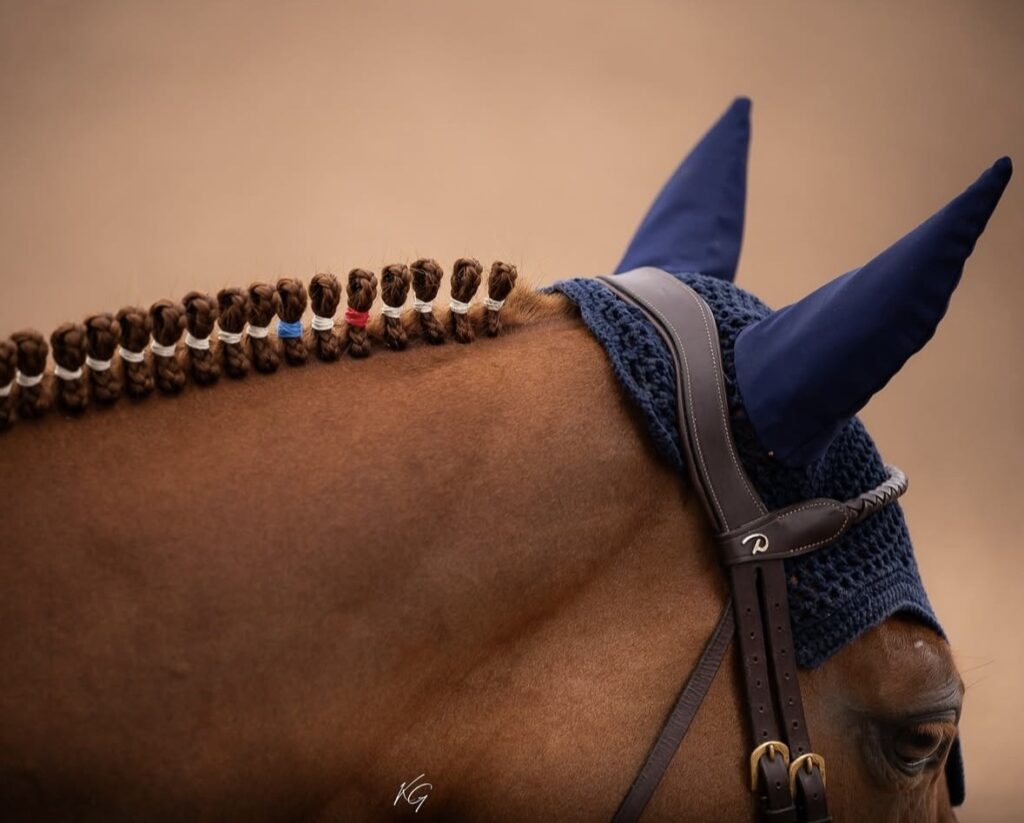
- Create a braid as a symbol of your connection,
- Share the story behind it on social media, and #PassTheBraid by nominating someone else to keep the braid moving.
Braid a horse’s mane. Braid your own hair. Create something symbolic. Celebrate a horse in your life today or honor one whose memory you still carry.
Then tell the story we don’t always see behind the work. The horse who taught you something about yourself. The one who challenged you, made you laugh, was there when you needed them, or simply makes an ordinary morning at the barn better.
Kate reflected that “horses have a way of connecting people in every way.”
This October, HorseGrooms and Horses for Mental Health invite the groom community to help make those connections visible. Every braid tells a story. Every share weaves our stories together.
#HORSETOBER + #PassTheBraid
horsesformentalhealth.org/horsetober
Horses for Mental Health is a nonprofit advocacy organization working to increase awareness, access, and funding for programs involving horses in mental health care. Through that work, we share how everyday experiences with horses can support wellbeing, while also raising awareness of the intentional work possible when horses are incorporated into mental health services with qualified professionals.
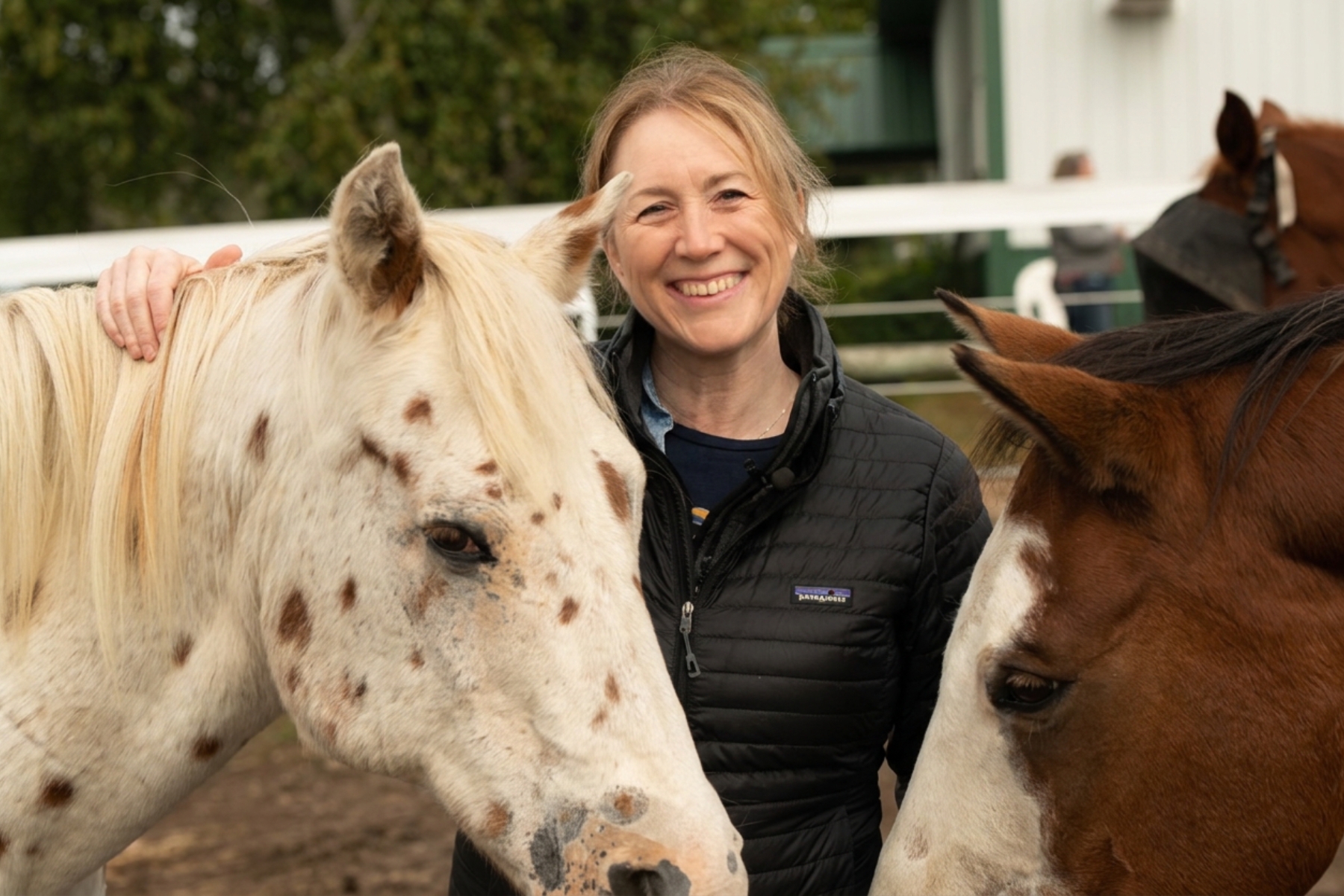
Lynn Thomas, LCSW, has been a leader in integrating horses into mental health services for over 30 years, playing a pivotal role in the growth of equine-assisted services worldwide. After co-founding and leading Eagala for 21 years, she co-founded Arenas for Change (ARCH), a professional training and certification community advancing story-centered facilitation with horses for mental health and personal growth.In 2021, Lynn co-founded Horses for Mental Health (HMH), a nonprofit advocacy organization advancing the role of horses in mental health and wellbeing by raising awareness, expanding access, and supporting professional programs.