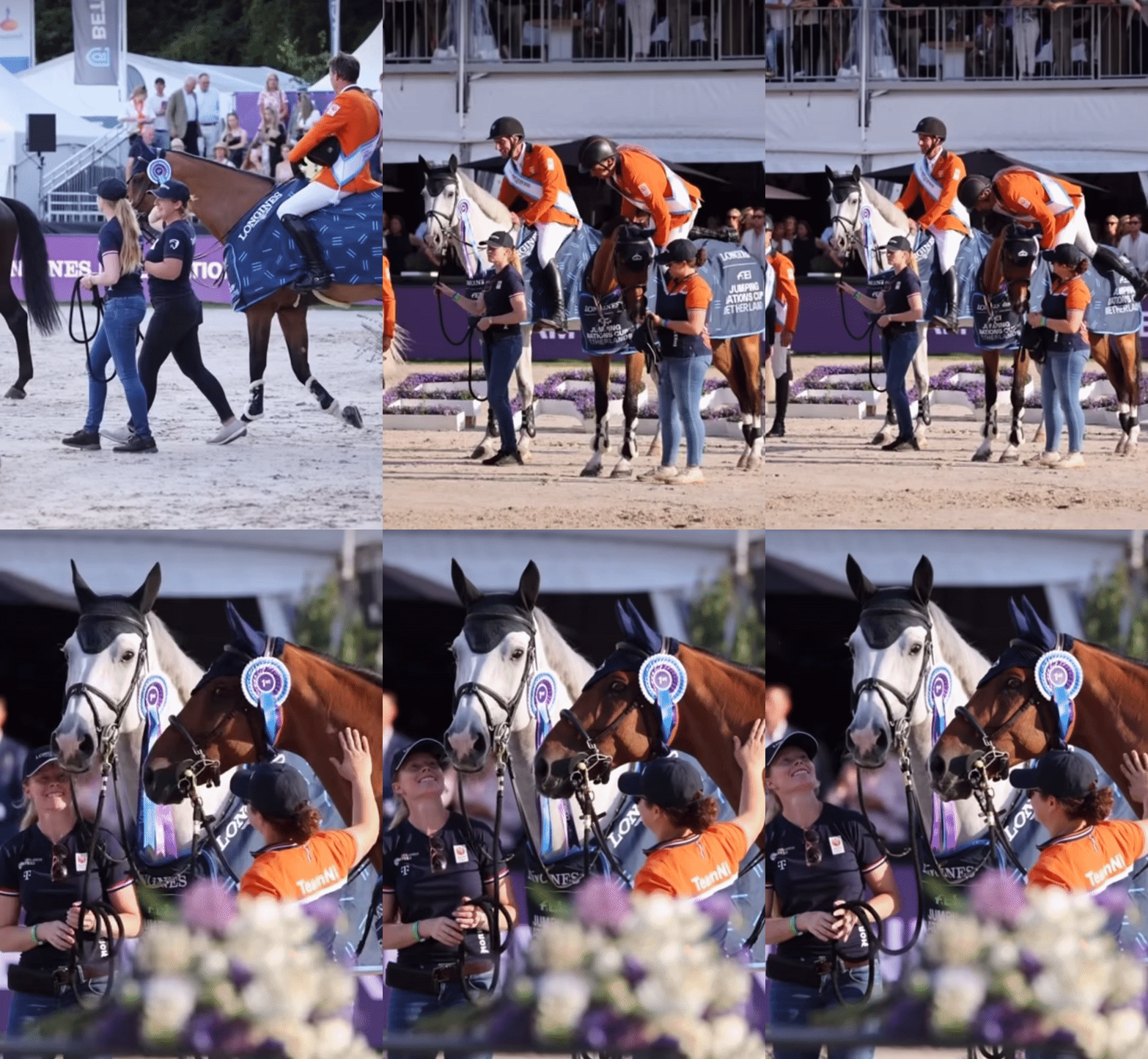





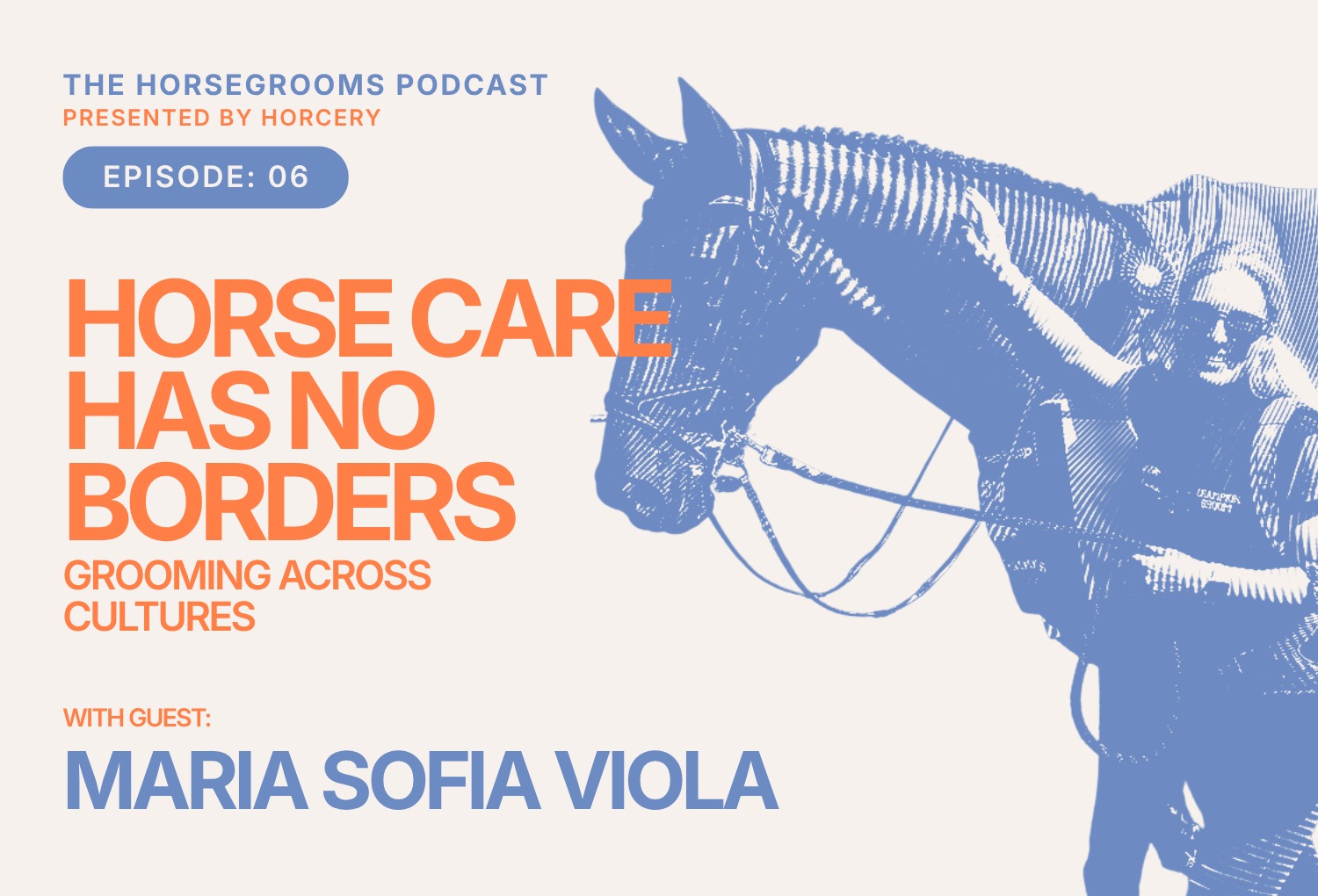
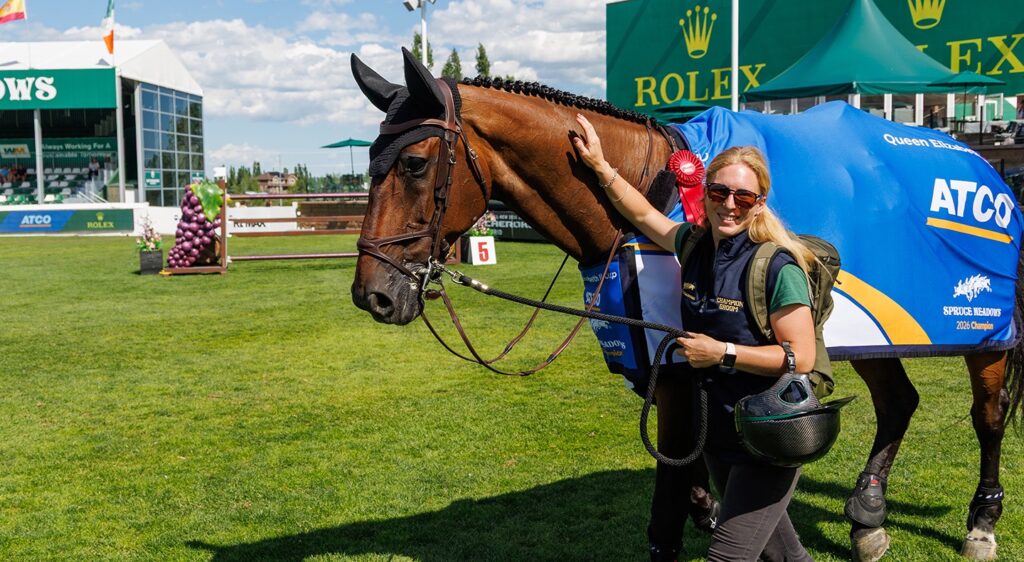
When Maria Sofia Viola joined us for the HorseGrooms Podcast in mid-July, she had just returned from Canada after one of the biggest victories of her career. The Italian show groom, who is based in Brussels part of the year and works for Saudi Arabian Olympic show jumper Abdulrahman Al-Rajhi, had cared for Ventago as the pair won the prestigious $1,000,000 ATCO Queen Elizabeth II Cup at Spruce Meadows.
We recorded this conversation only shortly after that win and long before this episode was published. At the time, the World Championships in Aachen were still ahead, along with another busy international schedule.
But the conversation quickly became about much more than one victory.
Sofia Viola talked about caring for a sensitive Grand Prix horse, preparing horses for international travel, working in Europe and the Middle East, learning to adapt to different cultures, and why some of the most important skills a groom can develop have very little to do with making a horse look beautiful.
She also gave us a glimpse of something that is easy to overlook in international horse sport: people from completely different backgrounds can end up working, traveling, eating, laughing, and solving problems together because they share one thing in common.
The horse.
From Rider to Professional Show Groom
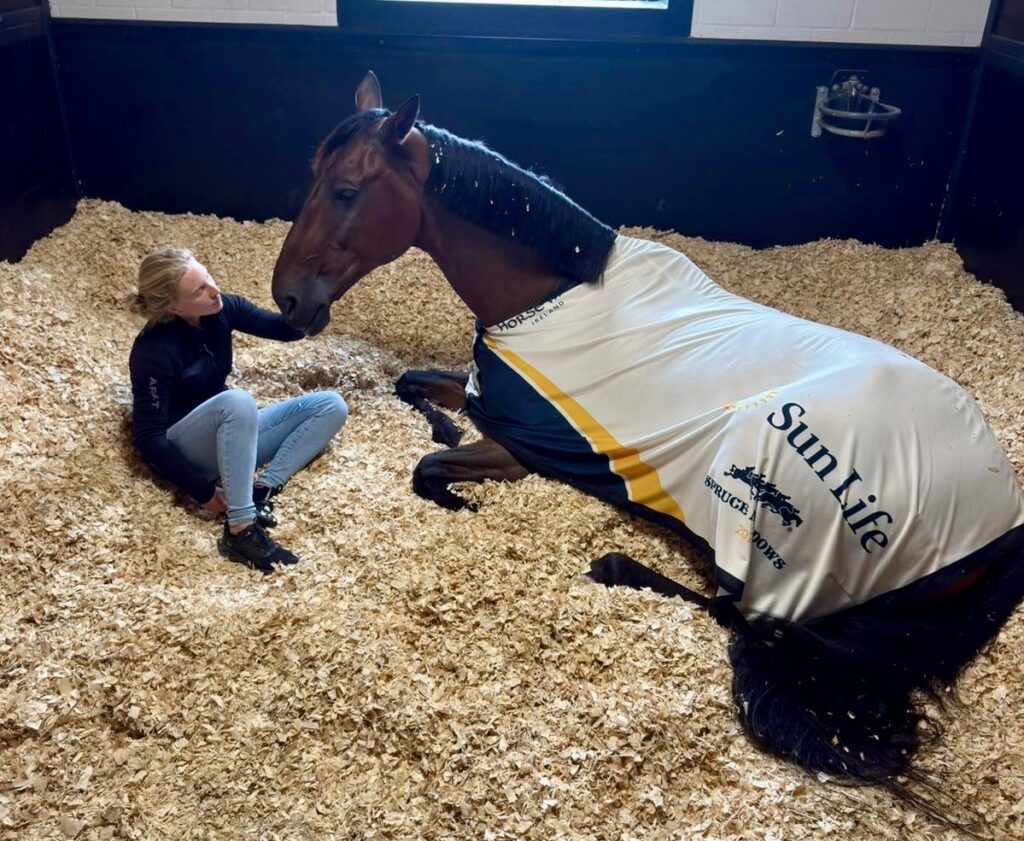
Sofia grew up near Bergamo in northern Italy and came to horses relatively late. She bought her first horse as a teenager and initially pursued riding seriously.
Her career eventually took several turns. She rode, became involved in selling horses, presented horses for clients, worked with social media, and gradually discovered that she enjoyed the work behind the scenes.
She moved to Belgium around 2020 and became increasingly interested in professional grooming. Today, she estimates that she has been working professionally as a show groom for about five years.
Her current position came through a connection she had made while selling a horse to a Saudi rider. The horse had been represented honestly and turned out to be exactly what the buyer expected. Over time, Sofia became familiar to people within the Saudi show jumping community.
Then the phone rang.
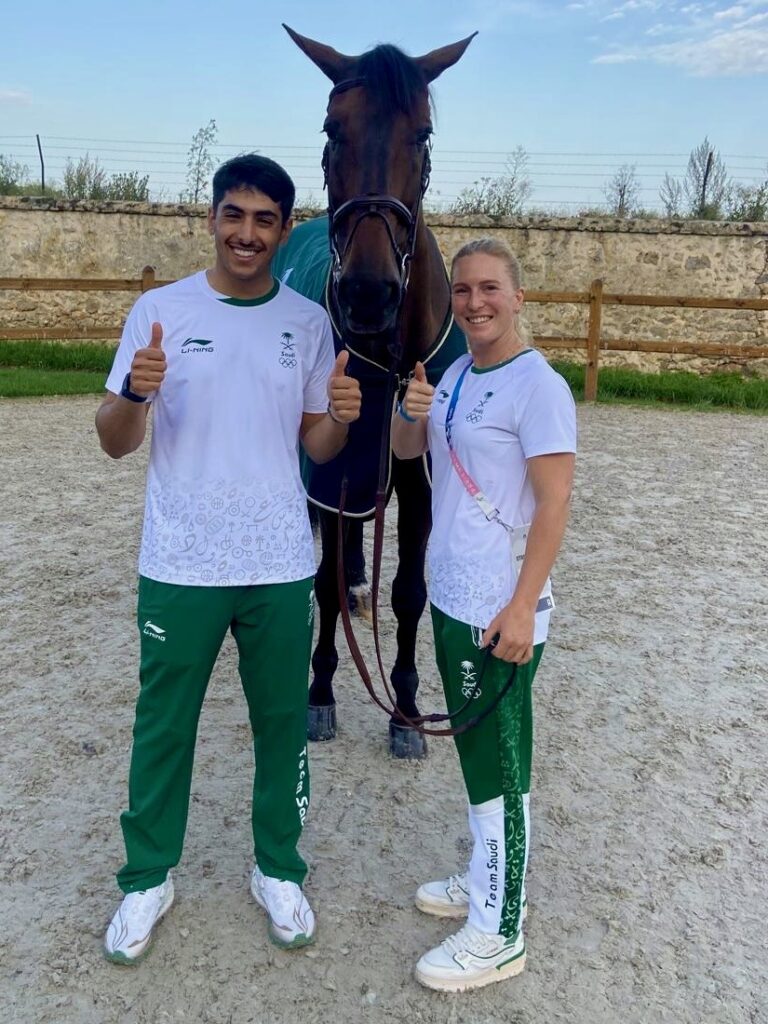
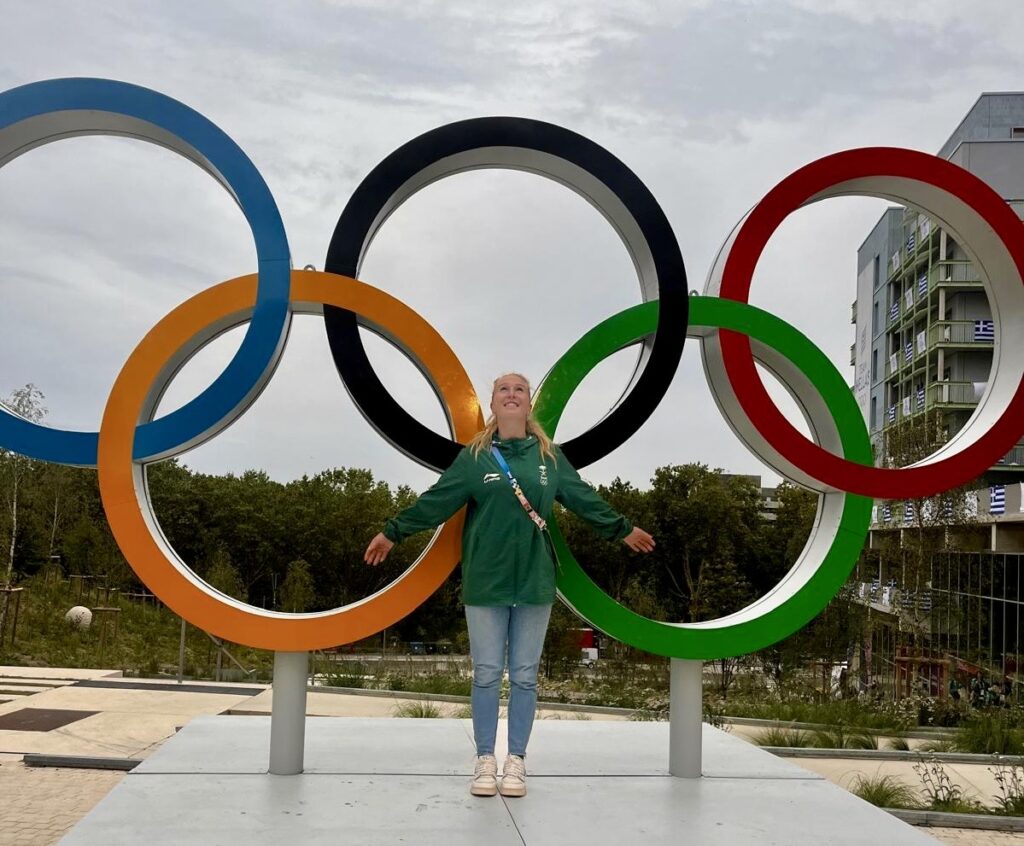
Abdulrahman Al-Rajhi needed a groom, and the Paris Olympic Games were only a few months away.
There was little time to settle in. Sofia had to learn a new rider, new horses, a new team, and an established stable system while preparing for her first major championship.
The team went on to qualify for the individual Olympic final with a clear round, ultimately finishing among the top 13.
More than two years later, Sofia is still there.
Behind the Spruce Meadows Victory
At Spruce Meadows, spectators saw Ventago jump to victory.
Sofia saw everything that happened before and after those few minutes in the ring.
The trip to Canada itself had a purpose beyond winning one class. Ventago was being prepared for Aachen, and Spruce Meadows offered many of the same challenges: large grass arenas, big fences, open water, and an atmosphere that asks a lot of a horse.
During the first week, Ventago jumped the 1.45m and 1.50m rounds so he could become comfortable on the grass. During the second week, the Queen Elizabeth II Cup over a height of 1.60m became the main goal.
Sofia already knew they had a horse capable of doing something special. “When you have a horse like Ventago, everything is possible,” she said. But having a talented horse does not mean doing more to him. Sometimes it means knowing when to do less.
Learning What an Individual Horse Needs
One theme appears repeatedly throughout Sofia’s approach to horse care: respect the individual horse.
Ventago is sensitive and knows when an important class is coming. Changes around the stable, preparations for departure, and the atmosphere of Grand Prix day can all tell him that something different is happening.
So Sofia’s goal is to keep his day as quiet as possible.
She takes him for a long hand-walk, often 20 to 30 minutes, and tries to find grass and quieter areas away from crowded warm-up rings and busy paths.
If a Grand Prix starts in the afternoon, she may slightly reduce his lunch rather than have him compete on a full stomach. Because he is not always an enthusiastic eater, she may also leave supplements out of that meal if the powders would make him less interested in eating.
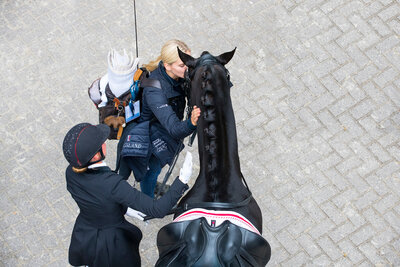
She plaits him early rather than rushing immediately before the class. That gives him time to go back to his stall, eat hay, drink and relax.
On Grand Prix day, she generally avoids therapies altogether. “He is a little bit more like, leave me alone. I’m fine,” Sofia explained.
That philosophy is important because another horse may need something completely different.
There is no single routine that works for every horse.
Sofia’s answer to one of our quick-fire questions summed it up well: if you treat every horse exactly the same way, you should not expect every horse to respond the same way.
What Happens After the Horse Leaves the Ring
The work certainly does not stop after a horse finishes jumping.
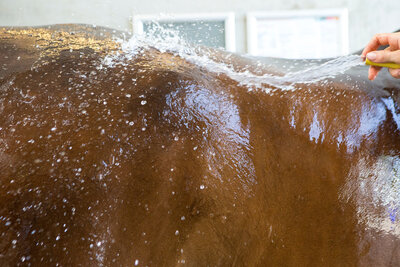
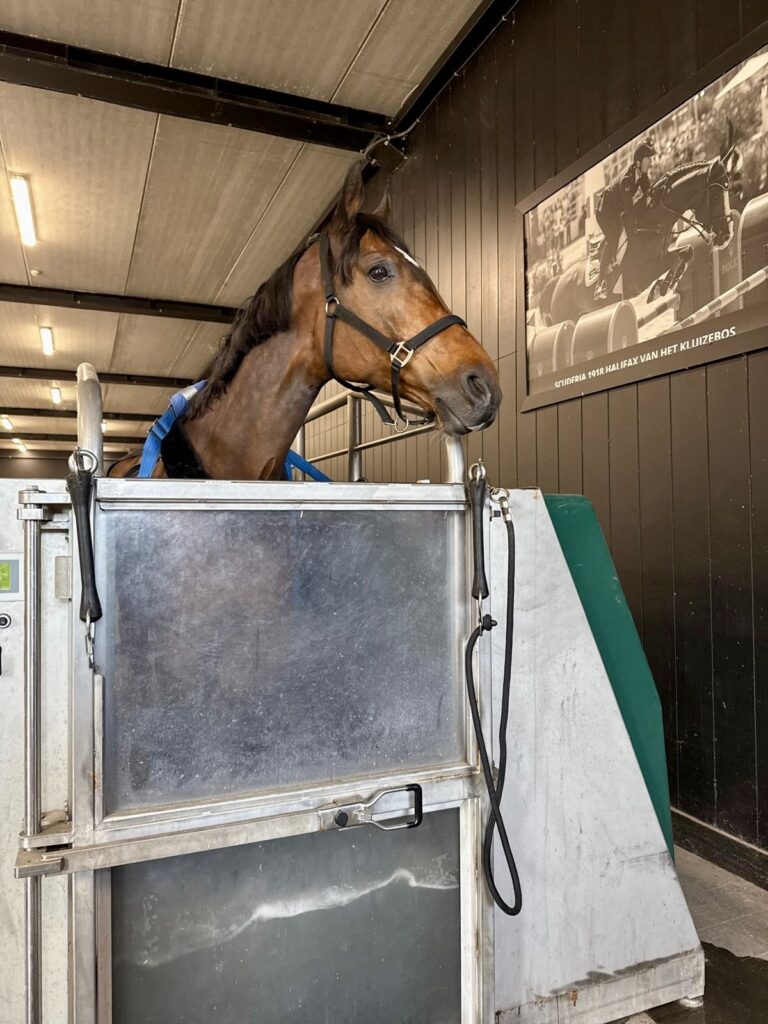
Sofia’s normal post-jumping routine starts by allowing Ventago a few minutes in his stall to drink and settle before she takes him to the wash rack.
She prefers to shower before icing. After a demanding class, she uses cold-water spa boots when possible, or ice boots for approximately 20 minutes.
Then comes clay.
Sofia is a big believer in clay poultice after jumping. She applies it to the legs and packs the feet with Magic Cushion. Depending on what time the horse competed, she may leave it on for several hours or overnight.
For a horse that jumps earlier in the day, she prefers to remove the clay later, wash the legs again, let them dry and then apply standing wraps for the night.
She also massages arnica into Ventago’s back from the withers toward the tail.
Her recovery routine is detailed, but again, she is careful not to turn a routine into a rule for every horse.
Stretching, Turnout and Letting Horses Be Horses
At home, the horses have a relatively simple routine.
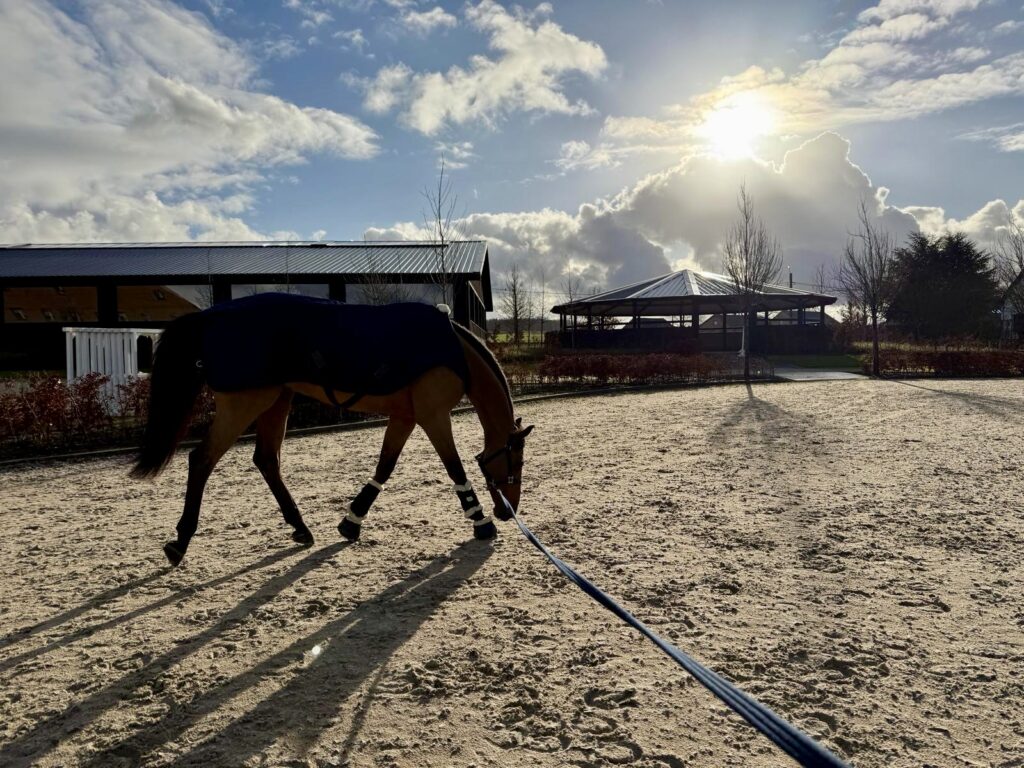
They spend around an hour on the walker in the morning and, when possible, several hours outside.
Before exercise, Sofia uses basic stretches she has learned by asking physiotherapists and osteopaths questions whenever they work on the horses. She stretches the front and hind legs, encourages movement through the back, and uses treats to encourage lateral neck stretches.
She considers grazing another useful form of natural stretching.
Her curiosity is part of what she believes makes a good groom. Instead of simply watching a professional work on a horse, she asks:
What can I do myself?
Why are you doing that?
What should I be watching?
That knowledge becomes part of her daily horse care.
Sofia also likes horses to have regular turnout and tries to send them to the field directly after the walker, when their bodies are already warm.
And if they roll?
Let them roll.
Her horses do not need to look immaculate every minute of every day.
“Horses have to be horses,” she said.
Caring for Horses in the Middle East
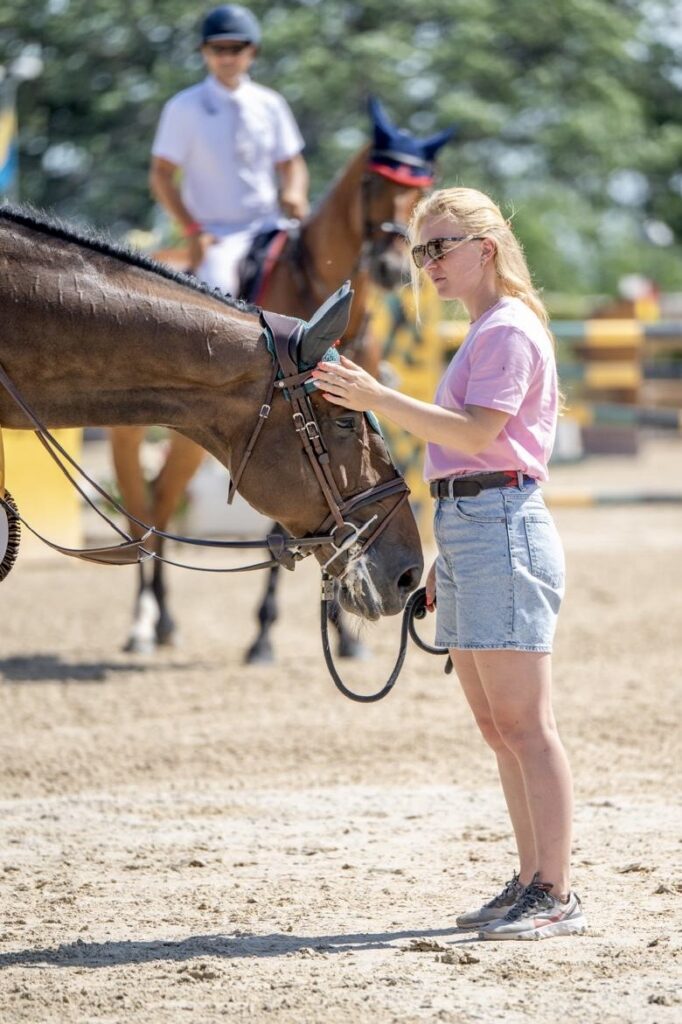
Sofia’s career has taken her from Italy to England, Denmark, Belgium, the Netherlands, the United States, Canada and the Middle East.
Working internationally has required her to learn much more than different barn systems.
It has also required cultural awareness.
Sofia spent several months with the Saudi team in Saudi Arabia and Doha last winter. She describes the experience positively, but she also recognizes that working in another country means understanding that country’s customs rather than expecting everything to operate as it does at home.
Her answer is simple.
Adapt. Respect the local culture.
In Saudi Arabia, for example, Sofia sometimes chooses to wear an abaya when she goes out. It is not something she says she is required to wear. She feels more comfortable blending into the local culture, and she has come to enjoy wearing them.
There are also social customs that are different from those she grew up with in Italy, including expectations around public physical contact between men and women.
Instead of approaching those differences as obstacles, Sofia sees understanding them as part of living internationally.
“You have to adapt yourself and your behavior,” she said. “And you have to respect the local cultures and traditions.”
The horses, meanwhile, require adaptation of their own.
Extreme heat changes stable management. Sofia has worked from air-conditioned stables and pays particularly close attention to hydration. She sometimes offers a bucket with a small amount of mash mixed into water as an additional way of encouraging horses to drink.
For horses that are reluctant to use a salt block, she may add small amounts of salt to their feed.
Hay can present another challenge. In countries where grass and locally produced forage are limited, high-quality hay for international competition horses may need to be imported.
What seems completely normal in Belgium can become a logistical project somewhere else.
That is one of the lessons of international horsemanship: good care is always the goal, but how you achieve it may depend greatly on where you are.
The Barn as Common Ground
Perhaps the most memorable part of our conversation had very little to do with winning. Sofia remembered sitting at a dinner table during a horse show with around a dozen grooms. There were people from Oman, Australia, Italy, Romania, France, Germany, and other countries.
Almost nobody shared a nationality.
Everyone spoke English.
Everyone shared the food.
And everyone knew each other because of horses.
Sofia says this is normal within her world. She arrives at shows in different countries and runs into people she may not have seen since an Olympic Games or another international event years earlier.
Sometimes grooms know which rider someone works for before they even know which country that person comes from.
That is one of the remarkable things about international horse sport.
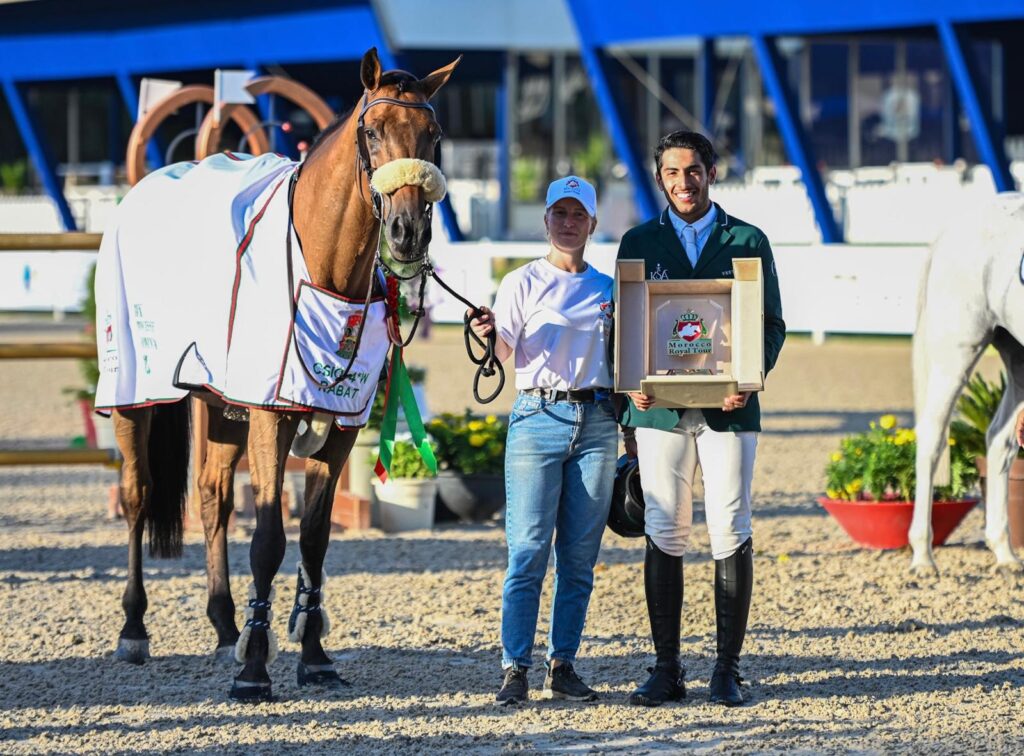
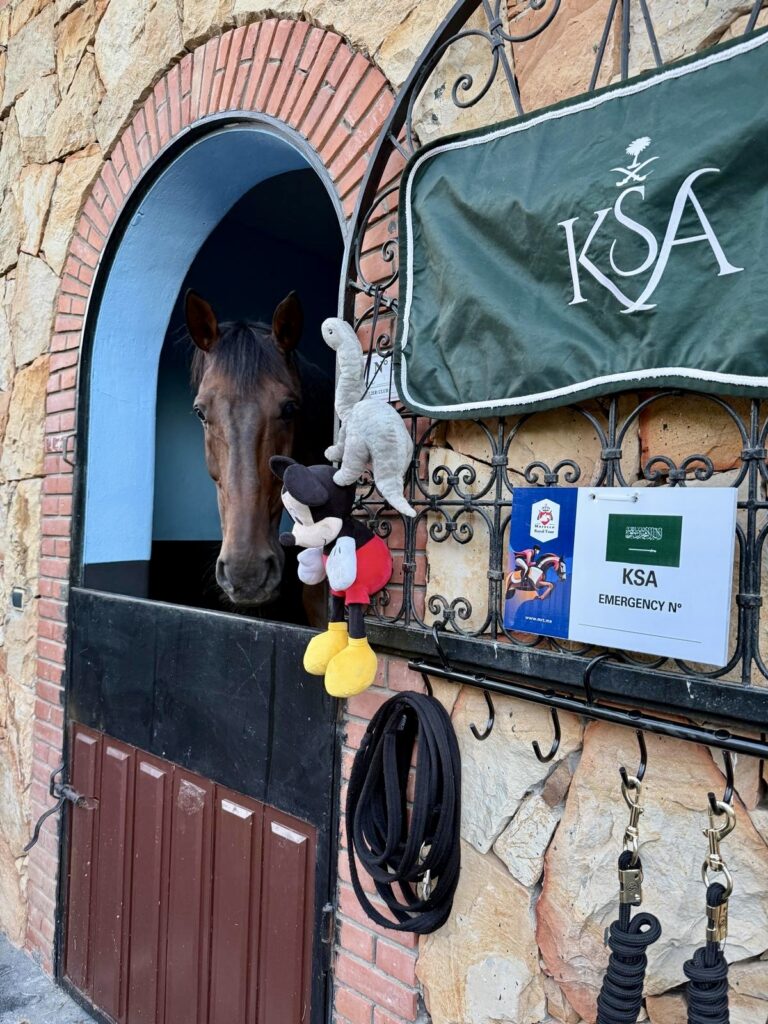
An Italian groom can work for a Saudi Arabian rider from a base in Belgium. Her Romanian colleague can work beside her. A French flat rider can join the same team. They can travel to Canada, Germany, Japan, Morocco and the Middle East.
Around them are hundreds of other combinations of languages, nationalities and cultures.
Yet inside the stable, the questions become remarkably similar.
Did the horse drink?
How are his legs?
Did he eat?
Is he comfortable?
Does he feel like himself today?
The horse becomes the common language.
In a world where cultural differences can sometimes separate people, barns and showgrounds can do something quietly powerful.
They give people from different worlds a reason to understand one another.
Want to Become a Show Groom? Start at Home
For young people dreaming about traveling the world as professional show grooms, Sofia has clear advice.
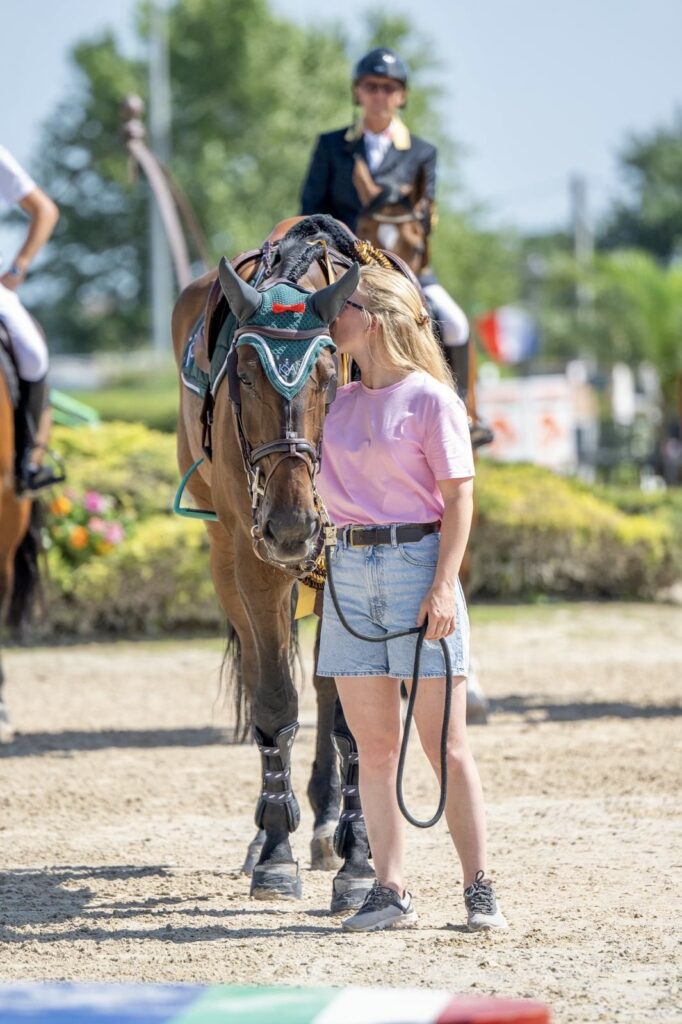
Do not start with the traveling.
Start with the horse care.
She believes people should first become very good home grooms. Feeding, bandaging, preparing a horse, recognizing normal behavior, completing everyday tasks efficiently, and understanding a stable routine should become second nature.
At a horse show, everything moves faster.
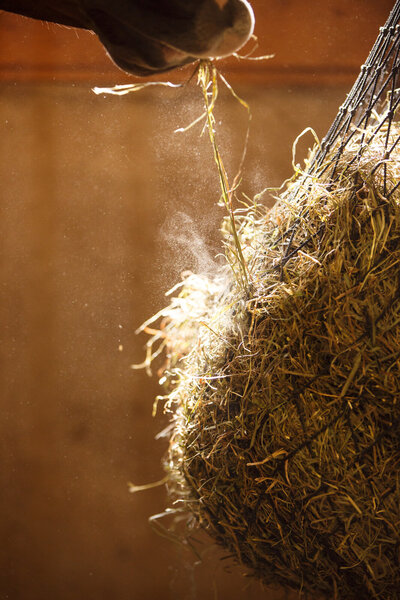
There are classes to reach, several horses to manage, warm-up times to calculate, hay nets to fill, water buckets to check and unexpected problems to solve.
Once the basics are automatic, Sofia recommends gaining show experience as a second groom before taking full responsibility.
And keep asking questions.
She still learns from other grooms. If she sees someone using an unfamiliar cream, piece of equipment or technique, she asks about it.
That exchange of knowledge matters.
“If everyone helps each other, it’s much easier,” she said.
It may also be one of the reasons the international grooming community becomes so connected. Grooms compete for different riders and different countries, but behind the scenes they frequently help one another solve the same problems.
Horse Care Has No Borders
Sofia’s Spruce Meadows victory gives us a reason to tell this story.
But it is not really the whole story.
The more interesting story is what happened before the winning round: years of learning, hundreds of ordinary days in the stable, international flights, paperwork, feeding, observation, stretching, turnout, recovery, and countless small decisions based on knowing one horse particularly well.
And surrounding all of that is an international community of people who may come from completely different backgrounds but find common ground through horses.
Great horse care does not belong to one country.
Knowledge travels.
People learn from each other.
Cultures meet.
And through it all, the horse remains at the center.
Upcoming Webinar With Sofia In The HorseGrooms Community
We are also looking forward to continuing the conversation with Sofia Viola during an upcoming HorseGrooms webinar, where she plans to share video and behind-the-scenes material from her international travels and championships. We will soon announce that webinar in the HorseGrooms Community. If you haven’t joined yet, do so now. It’s free! Join here.
Listen to Sofia’s Episode Of The HorseGrooms Podcast
Listen to the full episode of The HorseGrooms Podcast to hear Sofia talk about Ventago, Spruce Meadows, working for a Saudi Arabian team, caring for horses in hot climates, life on the international show circuit, and her advice for the next generation of professional grooms.
You can listen to The HorseGrooms Podcast on all major podcast players, including Spotify, Apple Podcasts, Amazon Music, iHeartRadio, and on the Equus Radio Network.
If you enjoy The HorseGrooms Podcast, please leave us a review on your favorite podcast channel. Reviews help more horse people discover these conversations and the professionals behind the horses.
This Episode of the HorseGrooms Podcast Is Presented by Horcery
The Horcery AI-Powered Stall Monitor
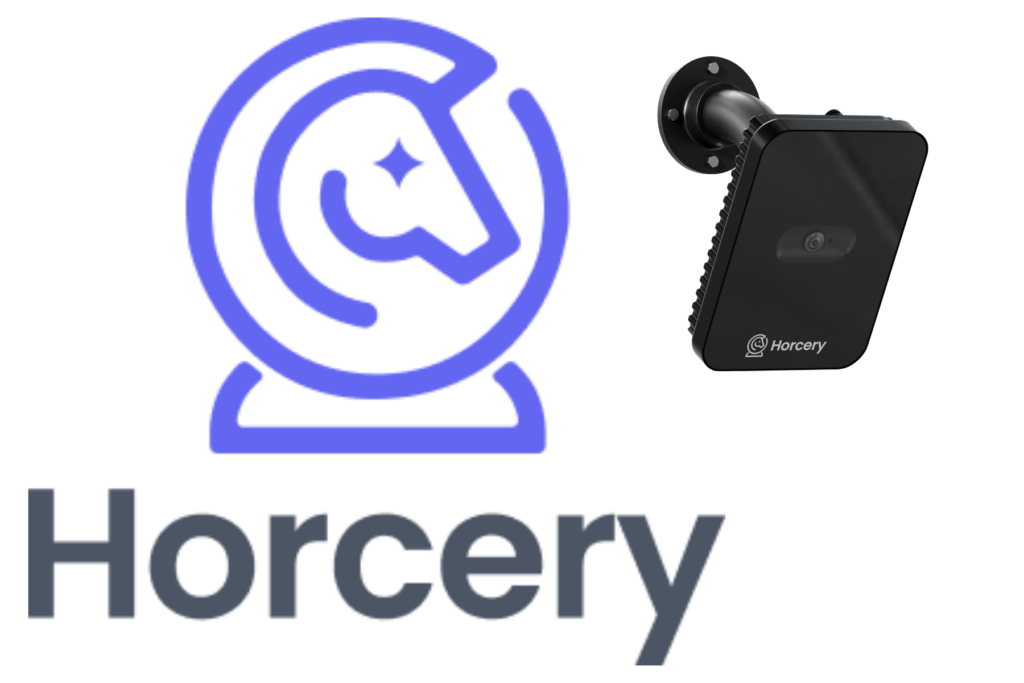
The Horcery AI-powered Stall Monitor helps horse owners, grooms, and barn managers stay connected to their horses around the clock. It monitors activity inside the stall and sends intelligent alerts when unusual behavior occurs. It is an extra set of eyes that can provide valuable peace of mind when you are away from the barn.
HorseGrooms readers and listeners receive 5% off a Horcery Stall Monitor with the discount code HORSEGROOMS05.
Read [this article] or visit horcery.com to learn more about this helpful tool for the barn.
More HorseGrooms Resources
Looking for more practical horse care education?
Subscribe to the HorseGrooms monthly Newsletter to not miss anything, explore the HorseGrooms articles, educational webinars, HorseGrooms Community, and HorseGrooms Insiders, where experienced horse care professionals from around the world share the knowledge that helps horses thrive.
Become a HorseGrooms Insider to receive access to exclusive webinars, live Q&A sessions with industry experts, educational resources, mentorship, discounts, perks, and more. Everything is free when you are an Insider.
Use the discount code HGPODCAST to receive 10% off your HorseGrooms Insiders membership.
HorseGrooms is a platform of resources, education, and support for grooms by grooms. This is an online community, hub of resources, and spotlight of industry highlights born out of love for the horse and love for the sport. But our mission goes beyond simply providing resources and creating content.
Our goal is to create a space to keep horsemanship alive; for grooms to support and educate each other; and to help advance the craft of grooming. HorseGrooms is dedicated to ambitious grooms everywhere.