
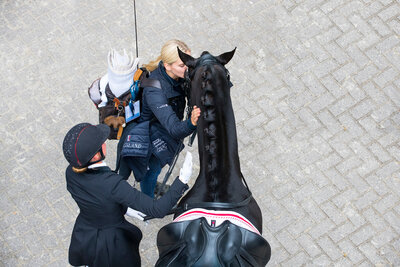




When people watch a top show jumper enter the ring, they see years of training, talent, and preparation. What they rarely see is the complex operation working behind the scenes to make that moment possible.
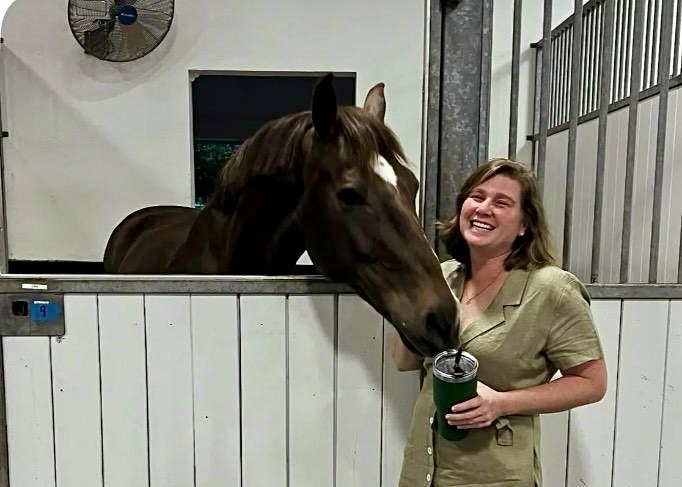
For Kristen Chandler, Barn Manager at Oakland Stables, that behind-the-scenes work is her everyday life.
Kristen oversees one of North America’s largest showjumping operations, coordinating nearly 80 horses, multiple trainers, veterinary care, farrier schedules, feeding programs, shipping logistics, show entries, paperwork, staff, and countless moving parts. It sounds overwhelming, but as she explained on the HorseGrooms Podcast, success doesn’t come from doing everything yourself. It comes from building systems, communicating well, and never losing sight of the horses.
Hard Work Opens Doors
Kristen didn’t grow up with a direct path into elite show jumping. Like many horse people, she simply loved horses and was willing to work.
She grew up in the American 4-H program, taught riding lessons, groomed horses, and gradually worked her way into management positions. Along the way she learned an important lesson that still guides her today.
“Work hard. Be kind. Ask questions. Stay humble. Never stop learning.”
Her advice to young people hoping to build a career in the horse industry is refreshingly practical.
Don’t be afraid of hard work. Watch the veterinarians. Watch the riders. Ask questions. Stay curious. Every experience is an opportunity to learn.
Managing an Operation That Never Stops
At Oakland Stables, Kristen’s responsibilities stretch far beyond what many people imagine when they hear the title “barn manager.”

She manages:
- nearly 80 horses
- 14 grooms in Connecticut, with additional staff elsewhere
- multiple trainers
- veterinary schedules
- farrier schedules
- feed programs
- ordering supplies
- horse show entries
- shipping logistics
- passports and health paperwork
- horses traveling between the United States and Europe
- turnout schedules
- communication between riders, grooms, veterinarians, and management
It would be impossible without organization.
The Whiteboard Everyone Wants to See
When asked about her favorite management tool, Kristen didn’t mention expensive software.
She answered immediately.
“My whiteboard.”
Every day begins with updating the barn’s large whiteboard, where ride times, turnout schedules, veterinary appointments, and daily changes come together in one place.
The whiteboard is supported by detailed spreadsheets, daily schedules, notebooks, and WhatsApp communication, but Kristen still believes in writing things down.
She keeps a notebook with observations from both herself and the grooms.
A small scratch.
A little heat in a leg.
A skin irritation.
A horse drinking less than usual.
These are often tiny details that could easily be forgotten, but recording them ensures they are checked again the following day before they become larger problems.
As Kristen explained, horse care is often about preventing problems rather than treating them.

A Detailed Look At Kristen’s White Board


Systems Create Consistency
One of the biggest themes throughout the conversation was consistency. Oakland’s systems aren’t designed to remove people from horse care. They’re designed to support them.
Every horse follows a carefully planned schedule.
Each trainer has detailed weekly and daily plans outlining lessons, flatwork, jumping sessions, and competition preparation. Those schedules are translated into daily ride times and turnout schedules that allow everyone to work efficiently.
Turnout
The horses also spend significant time outside.
Despite managing such a large operation, nearly every horse turns out every day, often for two hours, using approximately twenty paddocks of different sizes depending on each horse’s needs.
Kristen emphasized that turnout isn’t simply a luxury. It’s part of keeping horses mentally healthy.

Great Horse Care Starts With Observation
Perhaps one of the most valuable parts of the conversation came when Kristen described her morning routine. Before the day becomes busy, she walks through the aisle and checks every horse herself.
She looks, feels, and notices.
This isn’t a quick glance. It’s a deliberate routine built around understanding what is normal for every individual horse.
Scrub Your Horse’s Legs
She shared advice she learned from Oakland’s European head groom, Shauna Murray: Scrub your horse’s legs with your hands at least once a week. Not because they need washing. Because your hands learn what is normal.
When you know what normal feels like, even subtle heat or swelling becomes noticeable before it develops into a significant injury.
It’s a simple habit, but one that perfectly captures what good horsemanship looks like.
Communication Before Perfection
Kristen returned to one subject throughout the entire interview.
Communication.
She believes one of the biggest reasons Oakland has built a strong team is that people feel comfortable speaking up. If someone notices a cut, they report it. If they make a mistake, they discuss it. If they have an idea for improving a system, they’re encouraged to share it.
Rather than creating an environment where people are afraid of making mistakes, Oakland focuses on learning from them. That culture builds trust. And trust ultimately benefits the horses.
Building a Workplace Where People Want to Stay
Finding experienced grooms has become one of the horse industry’s biggest challenges. Kristen believes retention starts long before someone’s first day. During interviews, she explains exactly what is expected and exactly what the barn provides. New grooms shadow experienced team members, learn Oakland’s systems, and are encouraged to ask questions. The barn provides furnished housing, shared vehicles when needed, structured night check systems, and clearly defined responsibilities.
But Kristen believes the most important part isn’t the practical support. It’s making people feel heard. “We’re all a team.” Those four words surfaced repeatedly throughout the conversation. Success isn’t about one manager or one groom. It’s about everyone working together.
Don’t Skip the Basics
When asked about common horse care mistakes, Kristen didn’t mention expensive equipment or advanced therapies.
Instead, she talked about basic horsemanship.
* Leading horses correctly.
* Taking the time to groom properly.
* Using a curry comb every day.
* Feeling legs.
* Paying attention.
Many mistakes happen because people rush. Returning to good horsemanship, she believes, solves far more problems than many people realize.
It’s a message that aligns closely with HorseGrooms’ own mission of preserving horsemanship while supporting the people who care for horses every day.
Technology as a Tool, Not a Replacement
Although Kristen appreciates practical technology, her approach remains balanced. Organization software, spreadsheets, messaging apps, and scheduling tools all play important roles. But technology can never replace observation. It can’t replace communication. And it certainly can’t replace experienced horse people who know what “normal” looks like for each individual horse.
The best systems combine both.
Final Thoughts
One of the biggest takeaways from this conversation wasn’t actually about organization. It was about leadership. Managing nearly 80 horses requires excellent systems. But those systems only work because they’re built around communication, trust, accountability, and a shared commitment to doing what’s best for the horses.
Kristen Chandler reminded us that successful barns aren’t built through chaos or heroics. They’re built through consistency. Through teamwork. Through paying attention to the little things every single day. And perhaps that’s exactly why Oakland Stables has become known as a place where both horses and people can thrive.
Listen to the Full Podcast Episode
Want to hear the full conversation with Kristen Chandler? Listen right here, on the podcast page on horsegrooms.com.
You can also listen to The HorseGrooms Podcast on all major podcast players, like Spotify, Apple Podcasts, Amazon Music, iHeartRadio, and on the Equus Radio Network.
If you enjoy The HorseGrooms Podcast, please leave us a review. Reviews help more horse people discover these conversations and the professionals behind the horses.
More HorseGrooms Resources
Looking for more practical horse care education?
Subscribe to the HorseGrooms monthly Newsletter to not miss anything, explore the HorseGrooms articles, educational webinars, community, and HorseGrooms Insiders, where experienced horse care professionals from around the world share the knowledge that helps horses thrive.
Become a HorseGrooms Insider for exclusive webinars, live Q&A sessions with industry experts, educational resources, mentorship, discounts, perks, and more.
Use the discount code HGPODCAST to receive 10% off your HorseGrooms Insiders membership.
Presented by Horcery
This episode of the HorseGrooms Podcast is presented by Horcery.
Horcery’s AI-powered Stall Monitor helps horse owners, grooms, and barn managers stay connected to their horses around the clock by monitoring activity inside the stall and sending intelligent alerts when unusual behavior occurs. It’s an extra set of eyes that can provide valuable peace of mind when you’re away from the barn.
HorseGrooms listeners receive 5% off a Horcery Stall Monitor with the discount code HORSEGROOMS05.
Go to horcery.com to learn more about these helpful tools in the barn.
HorseGrooms is a platform of resources, education, and support for grooms by grooms. This is an online community, hub of resources, and spotlight of industry highlights born out of love for the horse and love for the sport. But our mission goes beyond simply providing resources and creating content.
Our goal is to create a space to keep horsemanship alive; for grooms to support and educate each other; and to help advance the craft of grooming. HorseGrooms is dedicated to ambitious grooms everywhere.