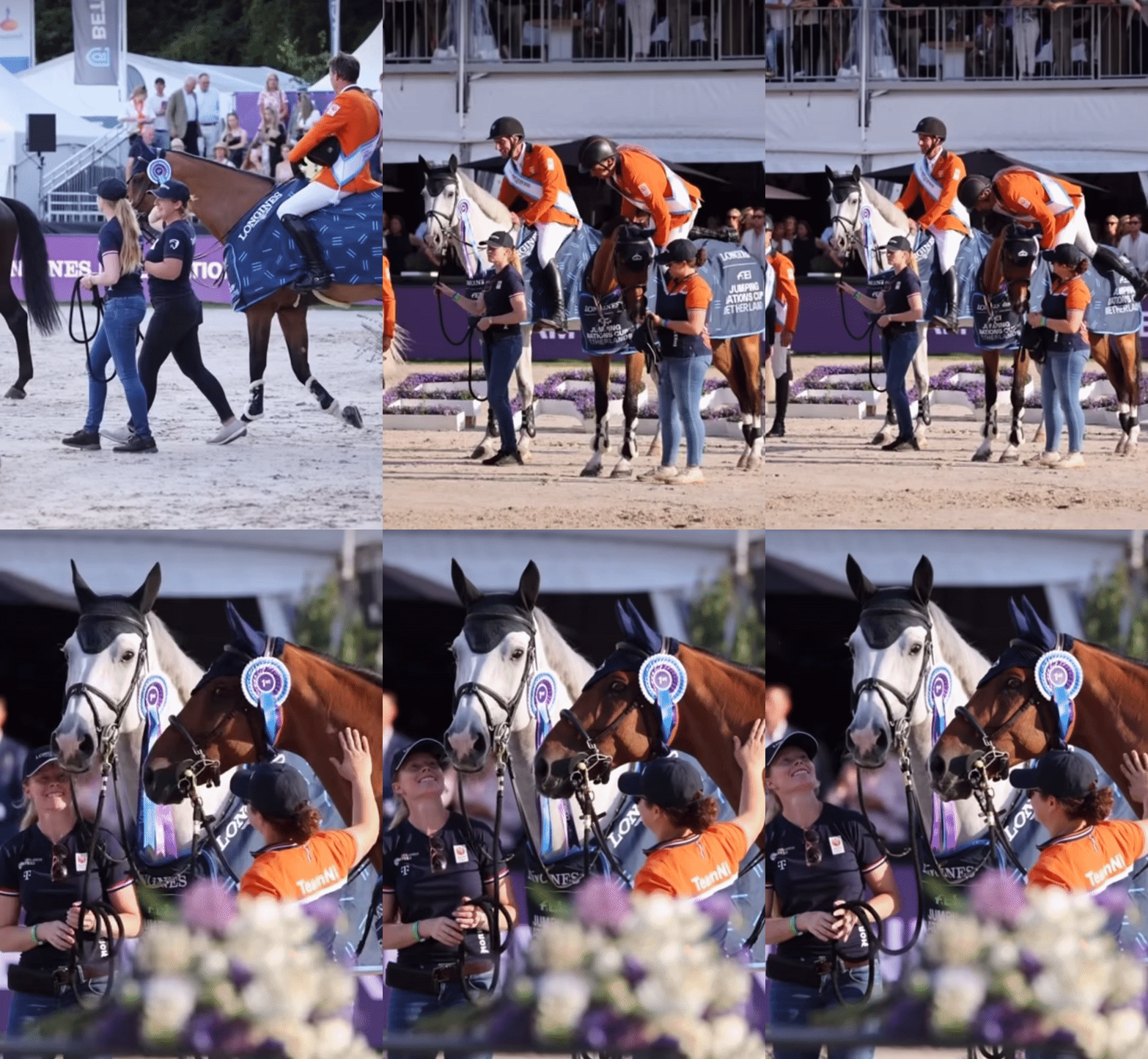






Nine years ago, Lou Beudin traveled from France to the United States for what she thought would be a three-month opportunity. She had recently completed a diploma in farm analysis and management and wanted to gain more experience working with horses.
She never expected those three months to turn into a career at the highest level of international show jumping.
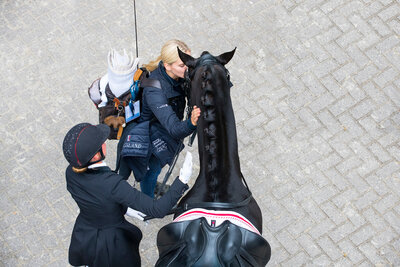
Today, Lou is the longtime groom for U.S. show jumper Katie Dinan. At the time of our conversation, she was in the Netherlands preparing Out of the Blue SCF, better known in the barn as Bridie, for the 2026 FEI Jumping World Championship in Aachen, Germany.
The week this podcast goes live, Katie and Bridie will be in Aachen, representing the United States after an impressive season that included a third-place finish at the 2026 FEI Jumping World Cup Final. For Lou, traveling to Aachen with a horse she knows so well still feels unreal, but is the result of years of learning, consistency, teamwork, and daily care.
From Three Months to Nine Years
Lou did not grow up in a horse family. She began riding at a local riding school when she was around 13 years old and knew almost immediately that she wanted horses to remain part of her life.
While attending university, she also worked at a barn. Two months after earning her diploma, she was offered the opportunity to travel to the United States and work for Katie Dinan. “I thought I was going to be there for three months to get some experience,” Lou says. “Now, nine years later, I’m still working with her.”
Lou believes their partnership has lasted because she and Katie share a deep love for the horses and the sport. They are also close in age and have developed a strong friendship alongside their professional relationship.
The operation currently includes approximately 12 horses and five grooms, as well as Katie’s trainer, Swiss Olympian Beat Mändli, and his wife, Mandy, who took care of the legendary Milton, who won many Grand Prix under John Whitaker.
Lou values being surrounded by experienced horse people who are willing to answer questions and explain the reasoning behind their decisions. “Anytime you have a question, you can go and ask them,” she says. “They will always be there to give you an answer and explain why this and not that.” That openness has helped Lou continue learning throughout her career.
Getting to Know Bridie
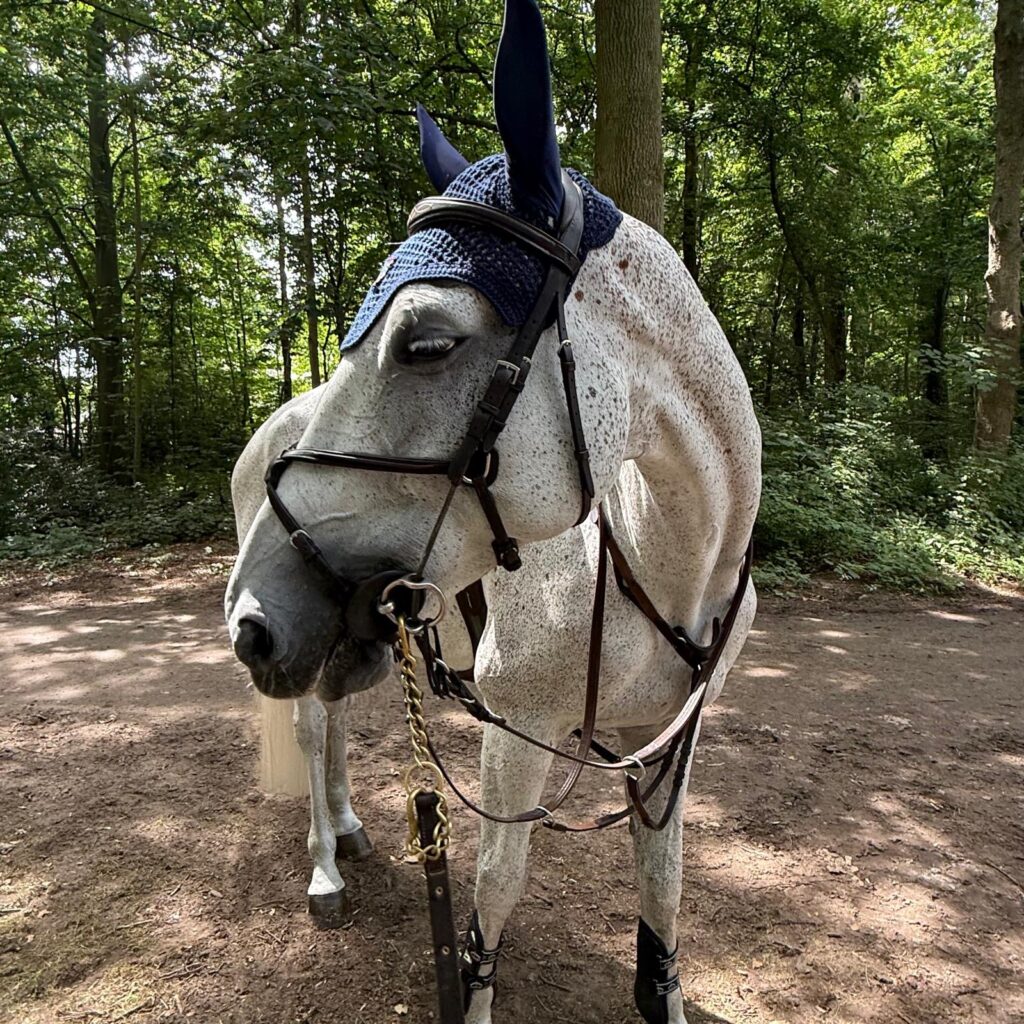
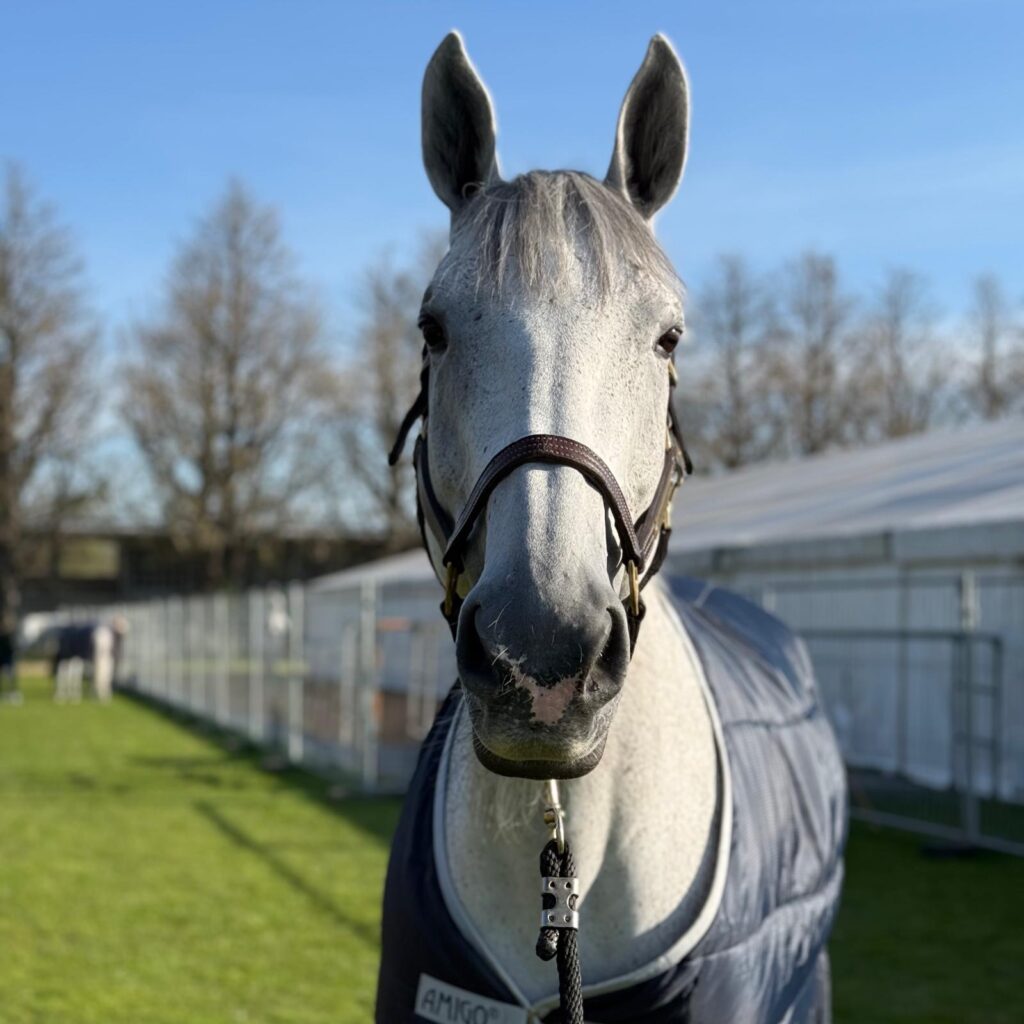
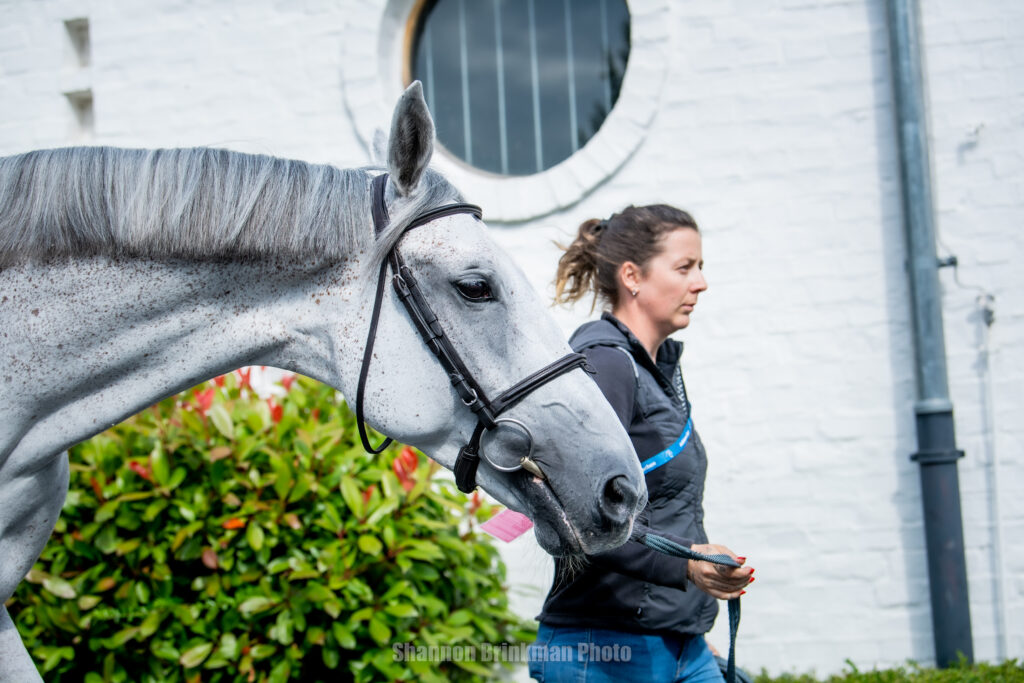
Lou has cared for Out of the Blue SCF since the mare joined Katie Dinan’s string. Bridie is a 12-year-old Belgian Warmblood mare by Verdi TN who has earned her place among the world’s top show jumpers. Her nickname was given to her when she was young and being produced by David O’Brien at Spy Coast Farm.
Grumpy Old Lady
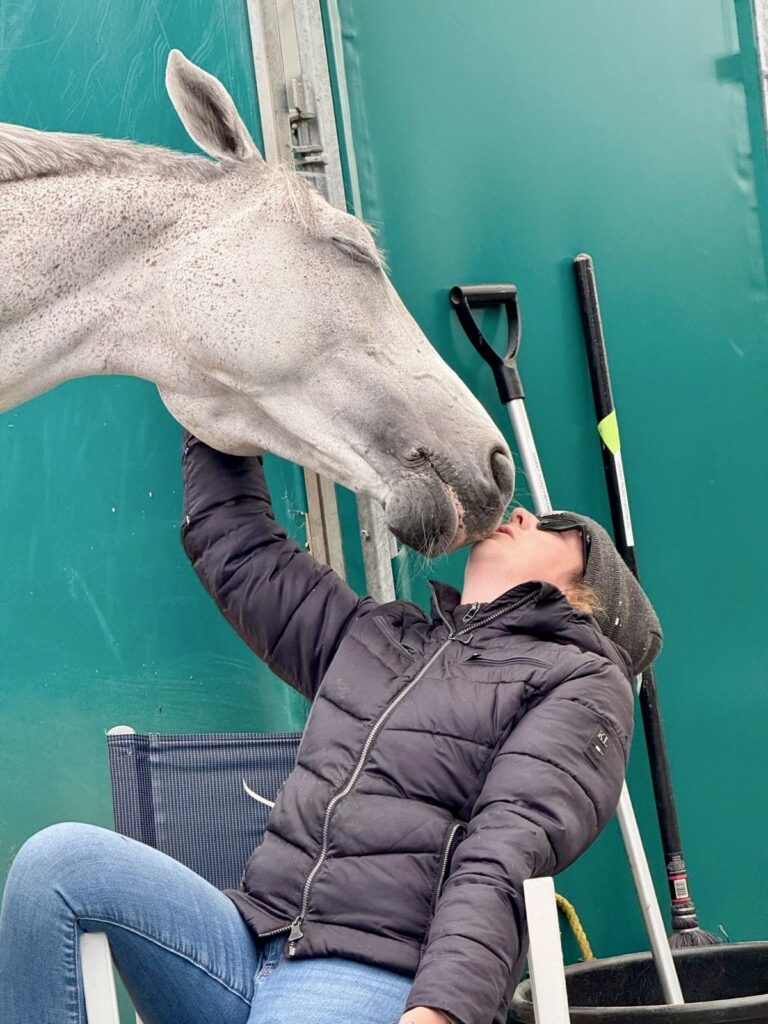
Lou affectionately describes Bridie as a “grumpy old lady” and says the description suits her perfectly. Underneath that sometimes-grumpy expression, however, is a special horse with whom Lou has built a close relationship.
Getting to Know a New Horse
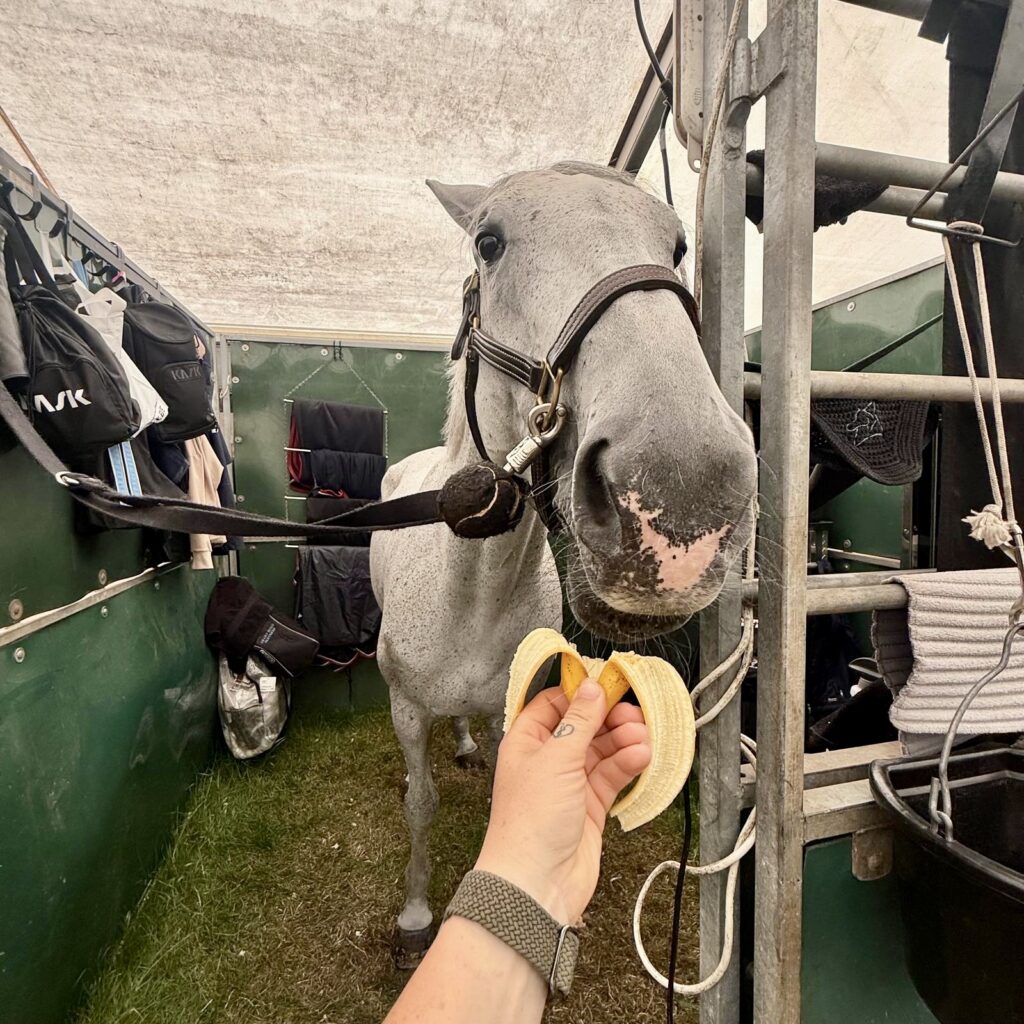
Learning a new horse begins with time and observation. Lou watches how the horse responds to different people, routines, and types of care. She tries different things, pays attention to what the horse likes or dislikes, and adjusts accordingly.
When Bridie arrived, her previous groom also sent the team a document explaining her routines and individual needs. That information gave Lou a valuable starting point.
This kind of communication during a horse’s transition can make a significant difference. The new care team does not have to discover everything from the beginning, and the horse can retain some familiarity while adjusting to a new environment.
A Routine Built Around Time and Attention
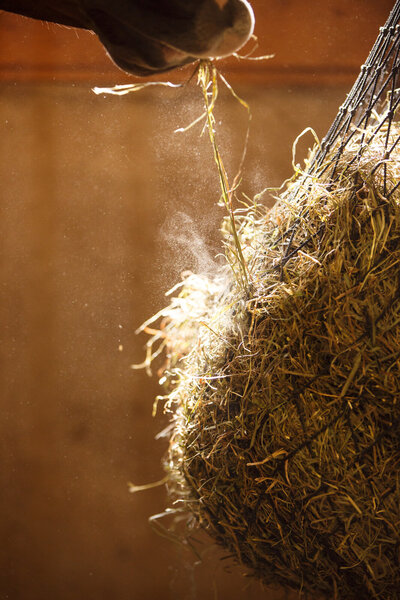
A typical day at home, with summers spent at Staysail Farm in New York and winters in Wellington, FL, begins around 6:00 a.m. with hay, followed by grain. Once the horses have eaten, the team cleans the stalls and turns the horses out or puts them on the walker.
Katie and Beat generally ride in the morning. Whenever possible, the team tries to have the riding, lunging, turnout, and walker sessions completed before lunch. The horses then receive hay and grain and are given quiet time to eat, rest, or lie down. The grooms also take their lunch break.
The afternoons are dedicated to care. The horses are groomed, washed when necessary, hand-walked, and taken out for grass. Recovery equipment or other therapies may be used according to each horse’s individual needs and workload. The team feeds again around 4:00 p.m. and is usually finished shortly afterward, with an additional night check later in the evening.
That night check includes hay, checking water, adjusting blankets when necessary, and making sure every horse is comfortable. The schedule may sound straightforward, but it also demonstrates something important about professional horse care: a large amount of time is reserved for observation, recovery, movement, and individualized attention.
Keeping Care Simple
Lou uses several recovery tools, including a Centurion blanket and foot pad, particularly at competitions or after a demanding workout.
However, her approach to leg care is intentionally simple. Depending on the horse, she may wash the legs, ice them, use the spa, apply clay, wrap them, or use magnetic therapy. She does not automatically use every available treatment every day. “If a simple routine works well for your horse, just keep it like this,” Lou explains.
Her reasoning is practical. If every possible treatment is already part of the horse’s normal routine, there may be fewer options left to add when the horse experiences soreness or an injury.
For Lou, good care is not about using the most products or therapies. It is about knowing the horse, recognizing what the horse needs, and avoiding unnecessary complications.
Preparing For an international Championship
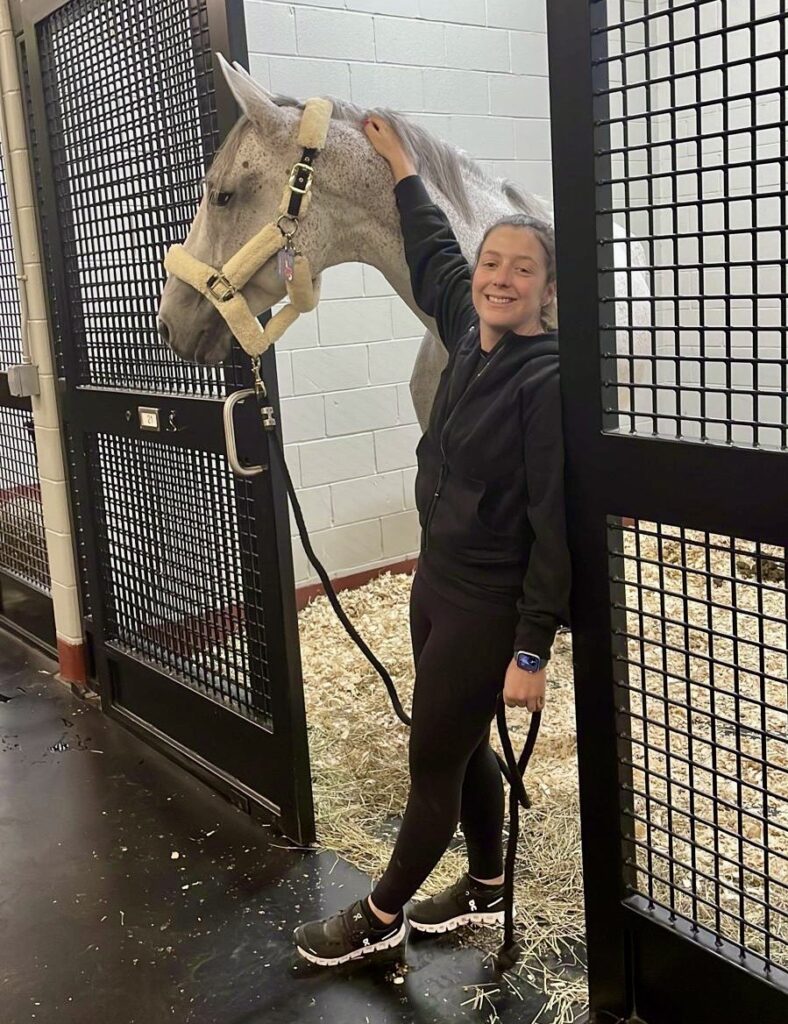
Lou prepares for a championship much as she would for any other important show. She packs the equipment the horse uses at home, along with extra feed and a well-stocked veterinary and first-aid kit. International travel can be unpredictable, so she prepares for delayed flights, longer layovers, or an unexpected additional night away from the home barn.
The goal is to maintain as much consistency as possible.
For the journey to Europe, the horses left the farm in New York and spent the night at The ARK at JFK before flying to Liège, Belgium. From there, they traveled to the Netherlands, where they are staying before continuing to Aachen.
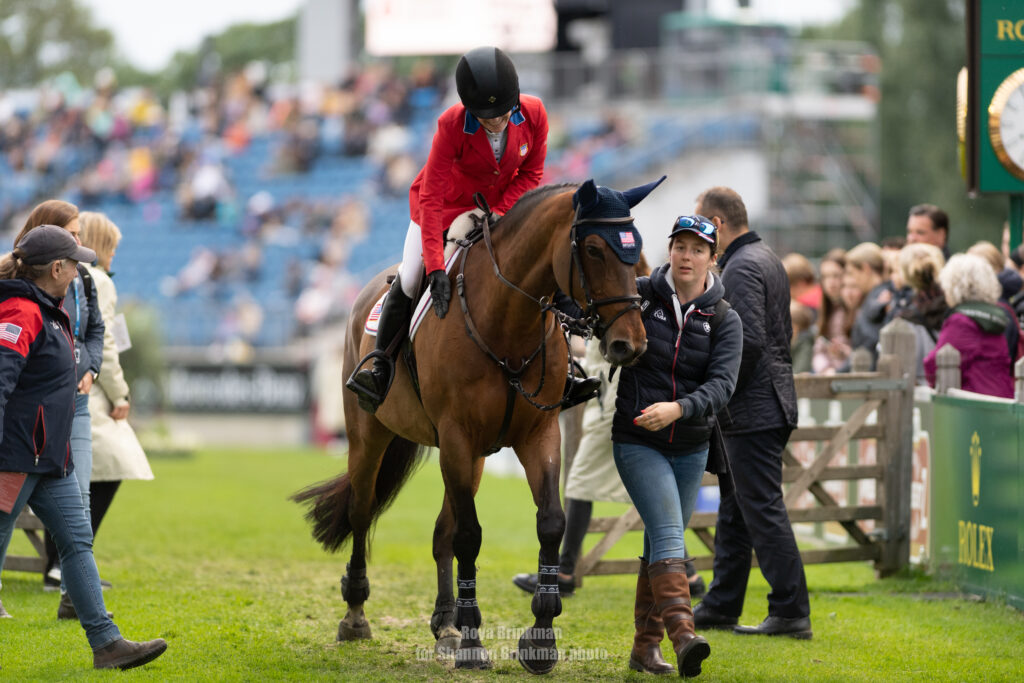
Once at a show, Lou tries to keep Bridie’s routine similar to her routine at home. Turnout and a walker may not be available, so Lou hand-walks her regularly and takes her out to graze. She also protects Bridie’s quiet time. After the mare has been ridden, Lou allows her to relax before preparing her for the class.
Feeding times may have to shift around the competition schedule, but the rest of the routine remains as familiar as possible.
Care After a Major Class
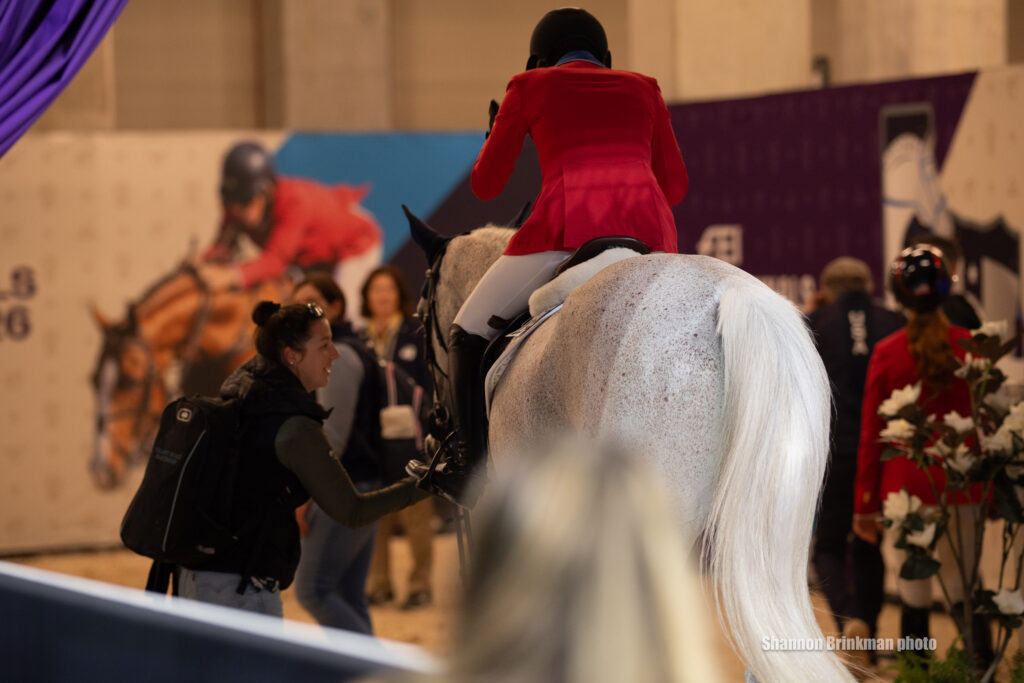
After Bridie jumps, Lou first gives her a little time in the stall to drink, pee, and settle.
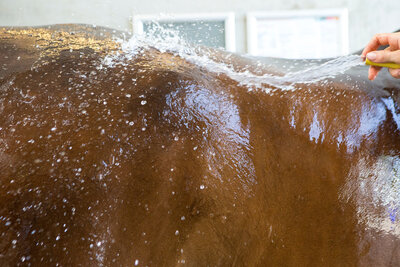
Bridie tends to sweat heavily, so she is usually showered and dried. Lou then uses ice boots before wrapping her legs. She also uses the Centurion blanket, neck piece, and foot pad, followed by massage to help the mare relax.
The individual treatments are important, but so is the sequence. Lou does not rush directly from the ring into an elaborate recovery routine. She gives Bridie a moment to decompress and then works through the care in a calm and familiar order.
That consistency is especially valuable during a championship, when the surroundings, atmosphere, and competition demands are already different from home.
Caring For The Groom Matters Too
When asked how she manages the long days and demanding seasons, Lou’s first answer is simple: sleep. She tries to get a good night’s sleep whenever possible. She also believes grooms need moments away from the horses, even if it is only dinner with friends or another small activity that makes them happy. “You need to think about yourself too at some point,” she says.
Employers have an important role in making that possible. Lou believes riders and trainers can help retain good grooms by treating them with respect, paying them fairly, showing appreciation for their work, and ensuring they get enough rest.
Grooms rarely have fixed working hours. At some shows, especially indoor events, the days can be extremely long. When possible, giving grooms additional time off helps them recover.
This is not only about the groom’s comfort. Fatigue increases the chance of mistakes, which can affect the horses and the rest of the team.
Listening to the Person Who Knows the Horse
Lou also thinks grooms should be included in conversations about the horses. Because grooms spend so much time providing daily care, they are often the first people to notice a small change. That observation should be taken seriously and communicated to the rider, trainer, veterinarian, farrier, or physiotherapist.
At Staysail barn, Lou can bring a concern to Mändli, who then helps communicate with the relevant members of the horse’s care team. Lou feels that what she notices is heard and taken seriously. “Communication is key for everyone,” she says. “The groom, rider, manager, farrier, physio, and vet. If everybody can talk together, I think that can make a big difference and help your team work properly.”
Her message to employers is clear: “If you take good care of your groom, they will take good care of your business.” A well-supported groom is more likely to remain with the team, communicate openly, notice changes, and provide consistent care. That continuity benefits the horses, the people, and the entire operation.
From National Shows to the World Stage
When Lou first arrived in the United States, she had never groomed at an FEI competition. Her experience was primarily with young horses at national shows. Now she is preparing one of the world’s best horses for one of the most important competitions in the sport. Lou is proud of how far she has come and grateful to Katie and her family for giving her the opportunity to learn and prove herself.
Her advice to other grooms is to take opportunities seriously, give their best, and never be afraid to ask questions. “You need to learn at some point, so just go for it,” she says.
Lou’s story shows what can happen when ambition is met with opportunity, education, trust, and a team willing to help someone grow.
Listen to the HorseGrooms Podcast
Listen to the full conversation with Lou Beudin on the HorseGrooms Podcast to hear more about Bridie, preparing for the World Championships, international travel, Lou’s daily care routine, and the lessons she has learned during nine years with Katie Dinan.
The HorseGrooms Podcast is available on your favorite podcast platform and on the Equus Radio Network. Search for HorseGrooms podcast and you’ll find all episodes. Here is the link to the episode on Spotify.
If you enjoy the episode, please leave a review. Your review helps more people discover the podcast and the stories of the grooms behind the horses.
This Episode of the HorseGrooms Podcast Is Presented by Horcery
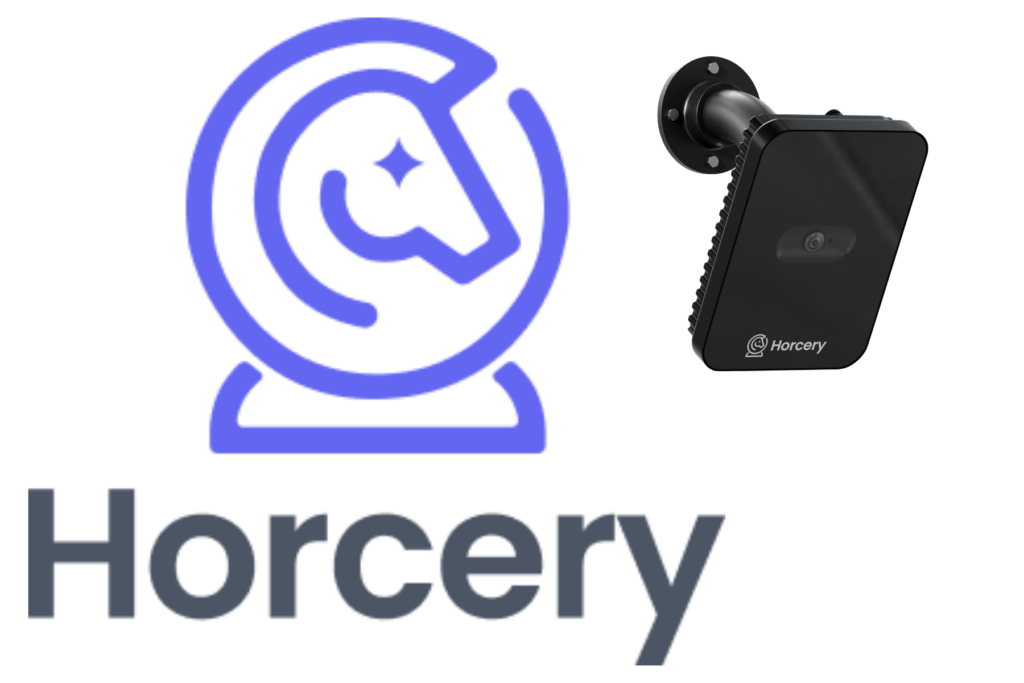
Horcery’s AI-powered Stall Monitor helps horse owners, grooms, and barn managers stay connected to their horses around the clock by monitoring activity inside the stall and sending intelligent alerts when unusual behavior occurs. It’s an extra set of eyes that can provide valuable peace of mind when you’re away from the barn.
HorseGrooms listeners receive 5% off a Horcery Stall Monitor with the discount code HORSEGROOMS05.
Read this article or go to horcery.com
More HorseGrooms Resources
Looking for more practical horse care education?
Subscribe to the HorseGrooms monthly Newsletter to not miss anything, explore the HorseGrooms articles, educational webinars, HorseGrooms Community, and HorseGrooms Insiders, where experienced horse care professionals from around the world share the knowledge that helps horses thrive.
Become a HorseGrooms Insider to receive access to exclusive webinars, live Q&A sessions with industry experts, educational resources, mentorship, discounts, perks, and more. Everything is free when you are an Insider.
Use the discount code HGPODCAST to receive 10% off your HorseGrooms Insiders membership.
Lead photo courtesy of Jo Fisher
HorseGrooms is a platform of resources, education, and support for grooms by grooms. This is an online community, hub of resources, and spotlight of industry highlights born out of love for the horse and love for the sport. But our mission goes beyond simply providing resources and creating content.
Our goal is to create a space to keep horsemanship alive; for grooms to support and educate each other; and to help advance the craft of grooming. HorseGrooms is dedicated to ambitious grooms everywhere.