







Finding good grooms is difficult. Keeping them can be even harder.
Across many parts of the horse industry, staff turnover has become a challenge for riders, trainers, barn owners, and managers. When an experienced groom leaves, an employer does not simply have to fill an empty position. A new person has to learn the horses, the routines, the expectations, and the way the entire operation works.
But what if some of that turnover could be prevented?
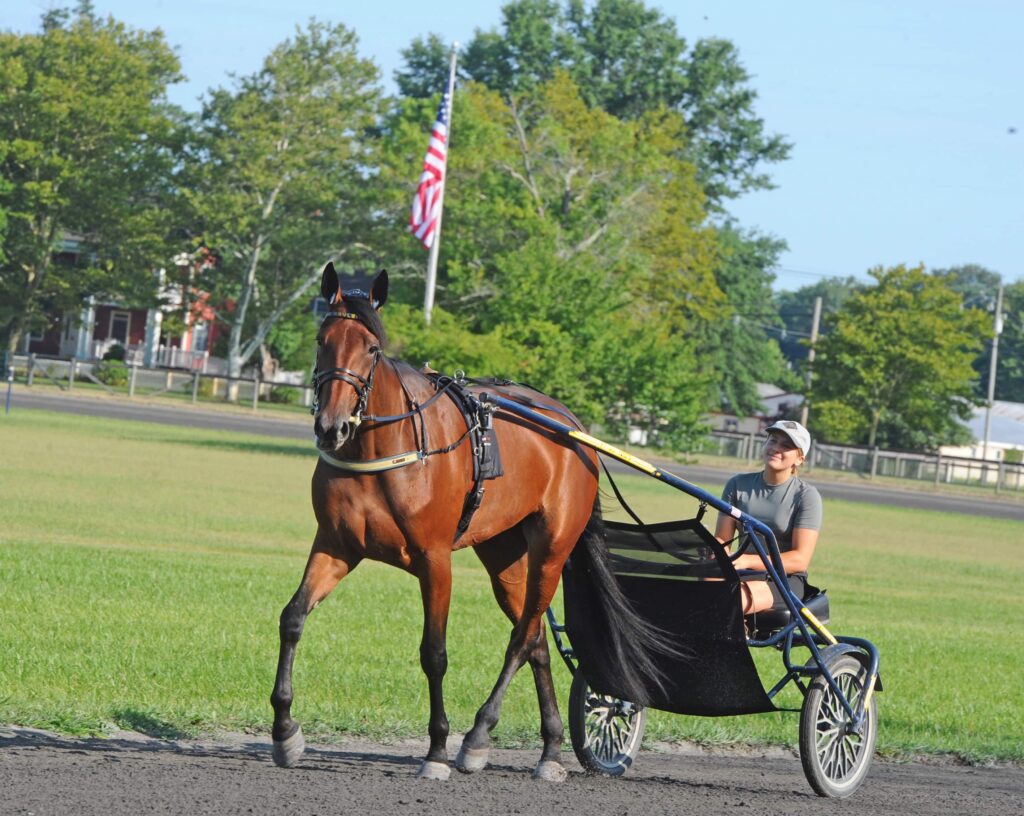
That question is at the heart of Ippos Pro Consulting, founded by professional groom Natalia Zoi. Natalia has worked in top European show jumping stables and for top trainers in the harness racing industry in the United States. While grooming full-time, she earned her MBA and researched the relationship between employers and employees in the equine industry.
Her research included a survey of 354 equine professionals. Combined with her own experiences in the barn, it convinced her that many equestrian businesses could benefit from something that is commonplace in other industries but largely absent from ours: human resources support.
In this episode of the HorseGrooms Podcast, Natalia explains why better communication and management are not only good for employees. They can help employers retain good people, create more consistent teams, and ultimately run stronger equestrian businesses.
This episode of the HorseGrooms Podcast is sponsored by Ippos Pro Consulting. As with all of our sponsored guest episodes, the conversation focuses on education, practical experience, and ideas that can help move the horse industry forward.
Bringing HR Into the Horse Industry
Natalia describes Ippos Pro in simple terms: it can function much like an outside HR department for an equestrian business.
That may sound very corporate for a horse barn, but the actual work is surprisingly practical.
When Ippos Pro begins working with a barn, Natalia first wants to understand the operation from the employer’s perspective. What does a normal day look like? How many horses and employees are there? What does the employer expect from the staff? What are the working hours, salaries, and days off? Is the business planning to grow?
Then she talks with the employees.
What does their working day look like? What is going well? What isn’t? What do they need? Is something making their work unnecessarily difficult? Are expectations clear?
Those conversations are confidential. When Ippos Pro brings employee feedback and recommendations back to the employer, the feedback remains anonymous. This gives employees an opportunity to speak openly without worrying that raising a concern will create tension with their employer or colleagues. Names are only shared when necessary for practical matters, such as a time-off request.
Ippos Pro can then identify where the two perspectives do not line up and help find practical solutions. After the initial setup, support can continue through regular check-ins and communication with both sides. Much of the process can be done remotely.
The idea is not to take the employee’s side or the employer’s side.
It is to help both sides understand each other better and make the business work.
Employers and Grooms Often Want the Same Thing
One of Natalia’s most important observations is that employers and employees are not necessarily on opposite sides.
In fact, they often want very similar things.
They want the horses to be healthy and happy. They want the horses to perform well. They want the barn to succeed. They want to be proud of what they accomplish together.
The difference is often in what each person sees every day.
A rider, trainer, or barn owner may be dealing with clients, finances, competition schedules, horses, staffing, and the responsibility of keeping the entire business running. They may simply not realize that a groom has been struggling with something for weeks.
The groom, meanwhile, may hesitate to speak up because they do not want to appear difficult, negative, or as if they are complaining.
Natalia believes that this is where communication gets lost.
Having someone regularly ask, Is everything okay? Is there anything you need? sounds almost too simple. But throughout the conversation, Natalia returns to the importance of these small, consistent conversations.
Don’t Wait Until a Good Groom Leaves
For an employer, communication becomes especially important when it comes to staff retention.
It is easy to start asking questions after someone gives notice. Why are they leaving? Could something have been done differently? Is there anything that would make them stay?
By then, it may be too late.
Natalia’s approach is much more preventative. Regular check-ins give employers an opportunity to discover problems while they may still be relatively small.
That could be a conflict between colleagues, unclear expectations, a scheduling problem, lack of guidance, or simply an employee who no longer feels heard.
Not every problem will have an easy solution, and employers cannot accommodate every request. But knowing what is happening within the team gives an employer the opportunity to make informed decisions before frustration has been building for months.
For a business struggling to find and retain experienced grooms, that can be valuable.
What Natalia’s Survey Found
Natalia did not want to build Ippos Pro solely around her own experiences as a groom. As part of her MBA work, she surveyed 354 equine professionals to find out whether other people were experiencing similar workplace challenges.
Some of the results she discusses in the podcast are striking.
According to Natalia, more than 56% of the employees in her survey reported receiving no training when they started their job. She also says 60% experienced tiredness, exhaustion, and fatigue, with 34% of that group reporting feeling it daily. The survey raised other concerns around working conditions and the lack of written employment contracts.
These findings matter to employees, but they should matter to employers too.
A tired employee is more likely to struggle to perform at their best. A new groom who receives little guidance has to figure out expectations through trial and error. Unclear responsibilities can lead to mistakes and frustration. Constant staff turnover means repeatedly teaching new people the same horses and systems.
Natalia sees it as a domino effect: employee wellbeing, horse care, performance, and the success of the business are connected.
Good Leadership Can Be Surprisingly Simple
When asked about the best employer she had worked for, Natalia did not describe an elaborate employee program.
She talked about leadership.
If someone needed a day off, this employer would step in. If the barn was short-staffed, he was willing to clean stalls. When things became difficult, he did not simply expect his employees to solve the problem. He was part of the team.
That made a lasting impression on Natalia.
She told us that if she were asked to work for him again tomorrow, she would.
She also remembers that the other grooms stayed with him for many years.
There is an important lesson in that for employers. Employees are being asked to care deeply about someone else’s horses, clients, facility, reputation, and business. Leadership can help give them a reason to feel that the business and the people running it care about them in return.
Career Development Can Be Part of Staff Retention
Keeping good employees does not necessarily mean expecting them to remain in exactly the same role forever.
Natalia believes career development is important for grooms, but opportunities can be difficult to combine with the realities of barn work.
She knows that firsthand.
While grooming full-time in the United States, she completed her MBA through a program connected to the University of Bolton in the UK. Because of the time difference, she remembers listening to classes through her earbuds while cleaning stalls at 3 a.m. and working on papers while traveling to races.
She succeeded, but she does not think professional development should have to be that difficult.
Employers may benefit from asking good employees where they want to go next. Perhaps they want to deepen their horse-care knowledge, take an online course, study bodywork, learn more about management, or develop skills that could eventually lead them into another role within the business or the wider industry.
Making room for development may be one more reason for a valuable employee to stay longer rather than feeling that leaving grooming is the only way to move forward.
Better Working Conditions Are Not Just an Employee Benefit
This may be the most important takeaway from our conversation with Natalia.
Improving communication, leadership, training, and workplace culture should not be viewed simply as doing something nice for employees.
There is a business case for it.
A stable team develops knowledge of the horses and routines. Good communication can prevent mistakes and misunderstandings. Employees who receive guidance know what is expected of them. Problems identified early may be easier to solve. And retaining experienced people reduces the constant disruption of replacing and retraining staff.
Most importantly, horses benefit from consistency.
The goal does not have to be employer versus employee. Natalia’s argument is that a successful equestrian business, good horse care, and a workplace where people want to stay can support one another.

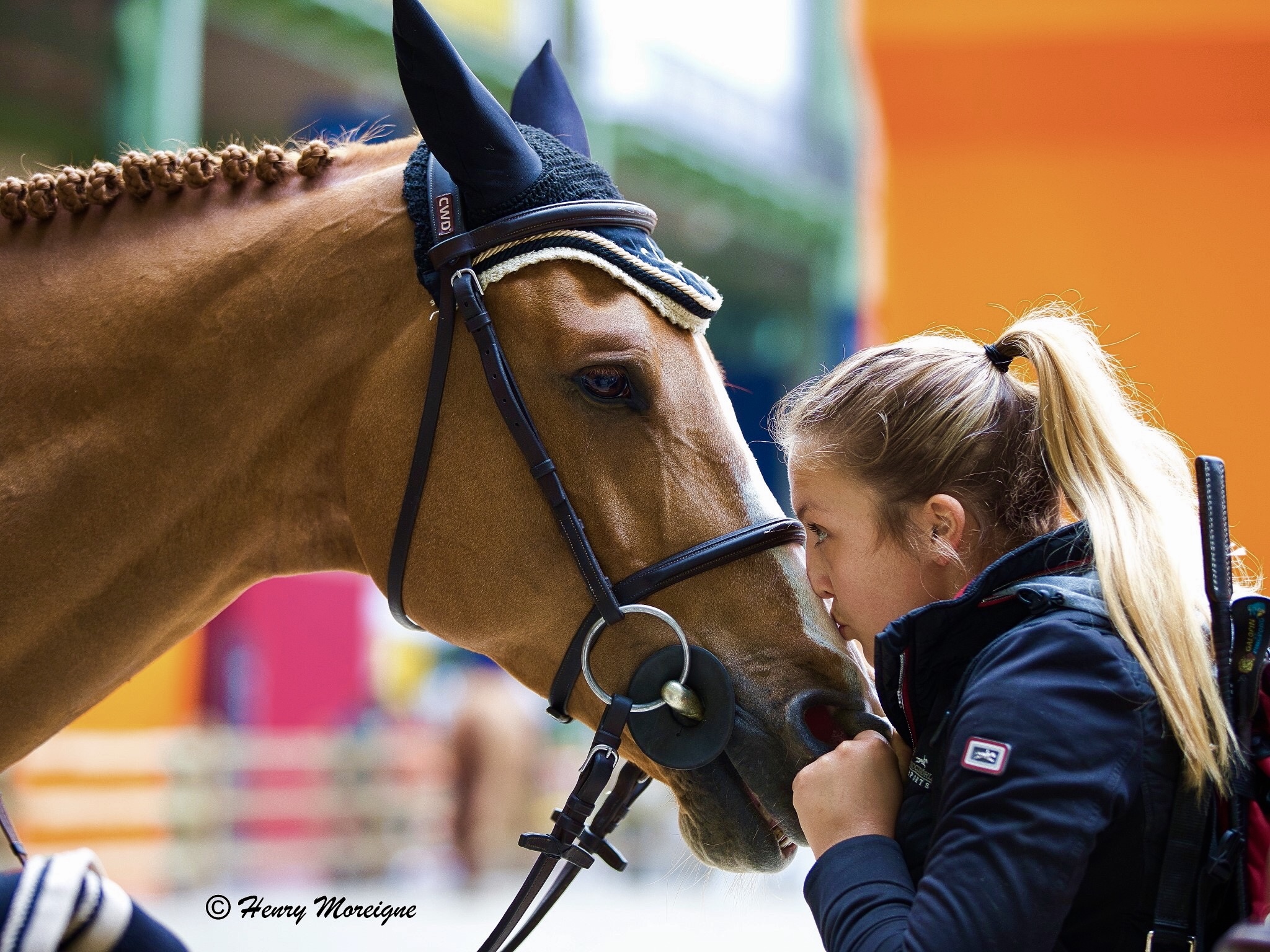
Natalia Zoi when she was grooming in Europe.
Photo Courtesy of Photobit.net
Could Your Barn Benefit From an Outside Perspective?
Ippos Pro Consulting works with equestrian employers and their employees to identify gaps in communication, structure, and management. Reach out to Natalia to learn more.
The process can start with a relatively small commitment from the employer. Natalia says the initial conversation may take around an hour. Ippos Pro then gathers information from the people working within the operation and develops recommendations. Depending on the barn, the relationship can continue through monthly or biweekly check-ins, with additional support available when an issue needs attention sooner.
And because much of the work can happen through phone calls, Zoom, email, and other remote communication, an employer does not necessarily need to bring a consultant to the farm.
Perhaps the simplest place to start, however, does not cost anything.
Ask your employees how they are doing.
Then listen to the answer.
Listen to Natalia Zoi on the HorseGrooms Podcast
In the full episode, Natalia Zoi talks about her international grooming career, moving from European show jumping into U.S. harness racing, the research behind Ippos Pro Consulting, staff retention, leadership, career development, and what she believes needs to change to make careers with horses more sustainable.
This episode is valuable for grooms, but we especially encourage riders, trainers, barn owners, and managers who employ grooms to listen and share it with their teams.
You can listen to the HorseGrooms Podcast on all major podcast players and on the Equus Radio Network.
If the HorseGrooms Podcast brings useful conversations into your barn, please leave us a review on your favorite podcast channel. Reviews help more horse people discover the podcast and the people and ideas we feature.
This Episode of the HorseGrooms Podcast Is Presented by Horcery
The Horcery AI-Powered Stall Monitor
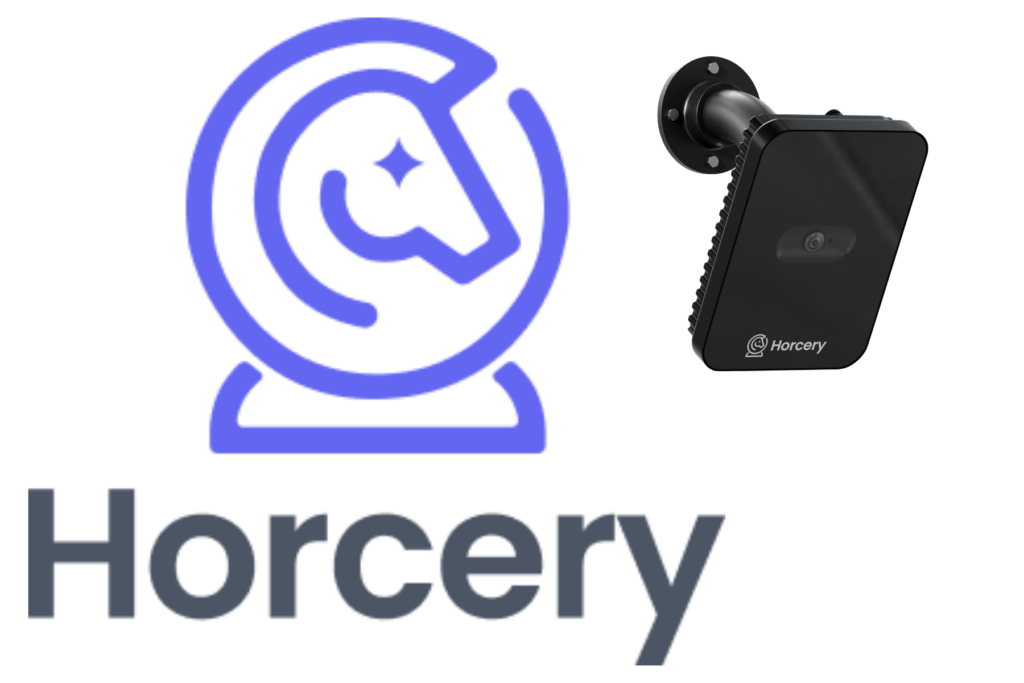
The Horcery AI-powered Stall Monitor helps horse owners, grooms, and barn managers stay connected to their horses around the clock. It monitors activity inside the stall and sends intelligent alerts when unusual behavior occurs. It is an extra set of eyes that can provide valuable peace of mind when you are away from the barn.
HorseGrooms readers and listeners receive 5% off a Horcery Stall Monitor with the discount code HORSEGROOMS05.
Read this article or visit horcery.com to learn more about this helpful tool for the barn.
More HorseGrooms Resources
Looking for more practical horse care education?
Subscribe to the HorseGrooms monthly Newsletter to not miss anything, explore the HorseGrooms articles, educational webinars, HorseGrooms Community, and HorseGrooms Insiders, where experienced horse care professionals from around the world share the knowledge that helps horses thrive.
Become a HorseGrooms Insider to receive access to exclusive webinars, live Q&A sessions with industry experts, educational resources, mentorship, discounts, perks, and more. Everything is free when you are an Insider.
Use the discount code HGPODCAST to receive 10% off your HorseGrooms Insiders membership.
HorseGrooms is a platform of resources, education, and support for grooms by grooms. This is an online community, hub of resources, and spotlight of industry highlights born out of love for the horse and love for the sport. But our mission goes beyond simply providing resources and creating content.
Our goal is to create a space to keep horsemanship alive; for grooms to support and educate each other; and to help advance the craft of grooming. HorseGrooms is dedicated to ambitious grooms everywhere.