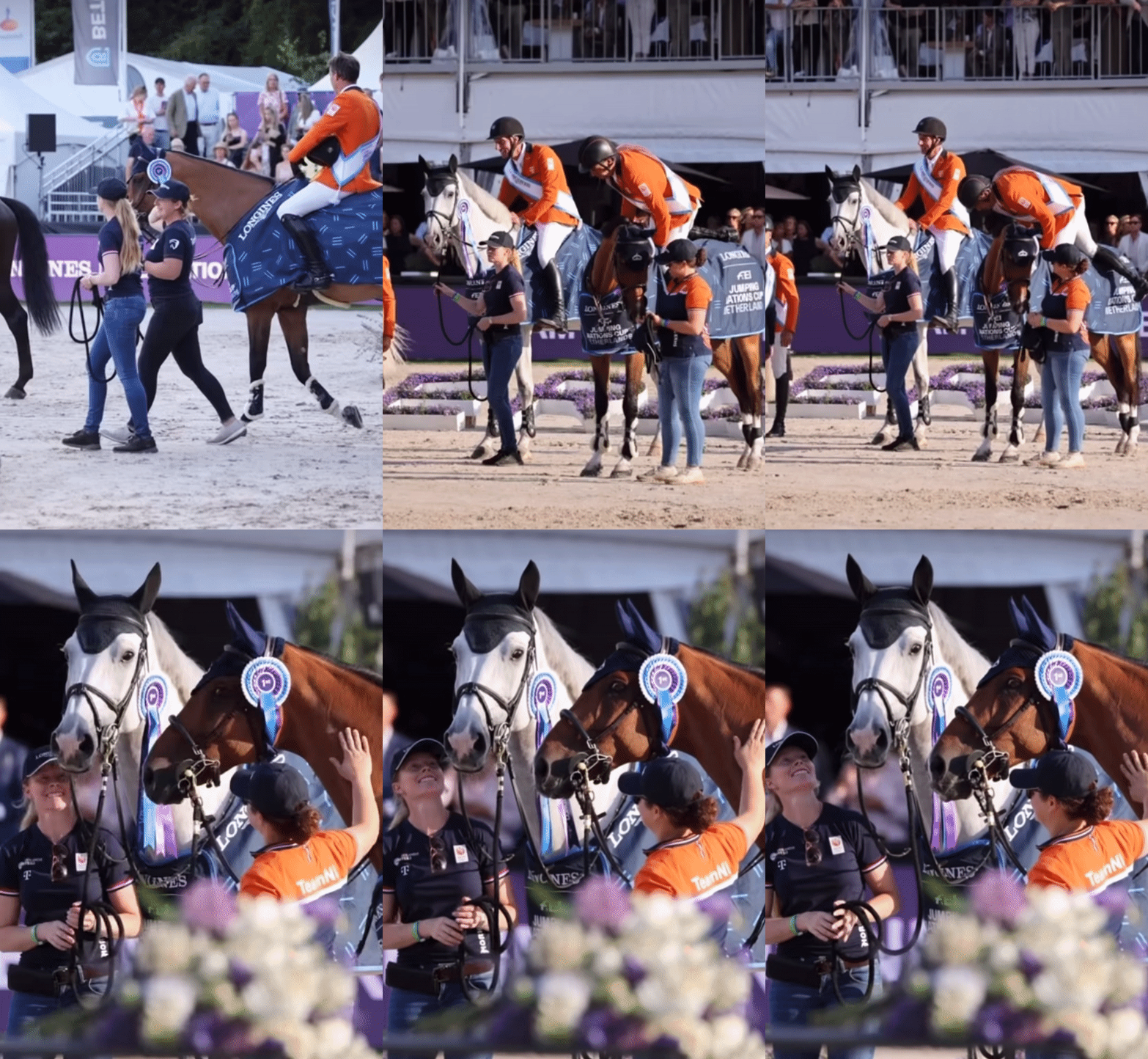






The horse world is often described as a community. People work together, travel together, care for horses together, and spend long days sharing the pressures and rewards of an all-consuming way of life.
The Equestrian Industry Can Be A Lonely Place
Yet it can also be a lonely place.
The hours are long. The responsibility is enormous. Work and personal life are often intertwined. Many people live far from their families, and the pressure to keep going can make it difficult to admit when something is wrong.
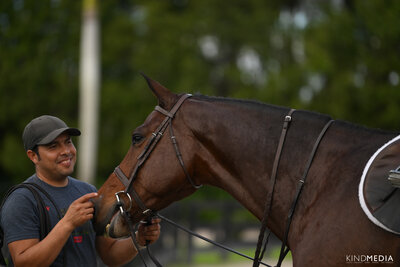
American showjumper Sonja Ochadlik understands how different life can look from the outside. Based in Ireland, she and her husband run a small stable where they produce and source horses. Sonja rides, competes, manages the business, and remains closely involved in the daily care of the horses.
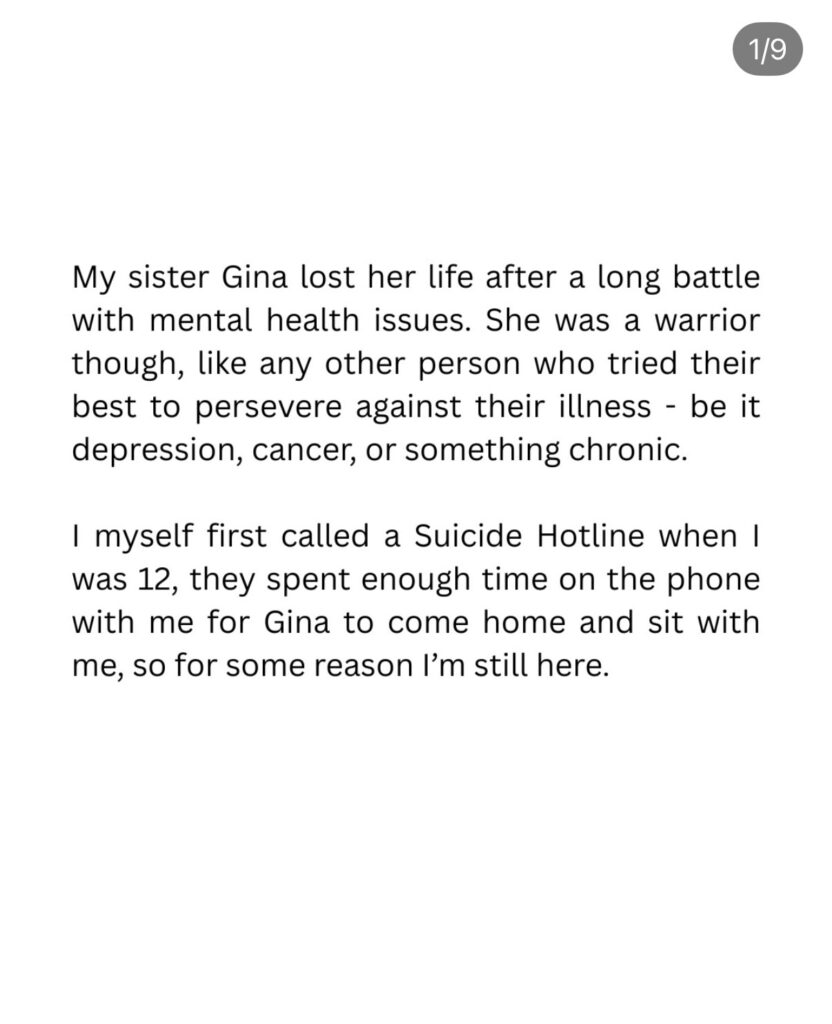
We reached out to Sonja after reading a deeply personal Instagram post in which she spoke openly about mental health. The post was honest, compassionate, and grounded in Sonja’s own experiences with depression, anxiety, grief, and learning to ask for help.
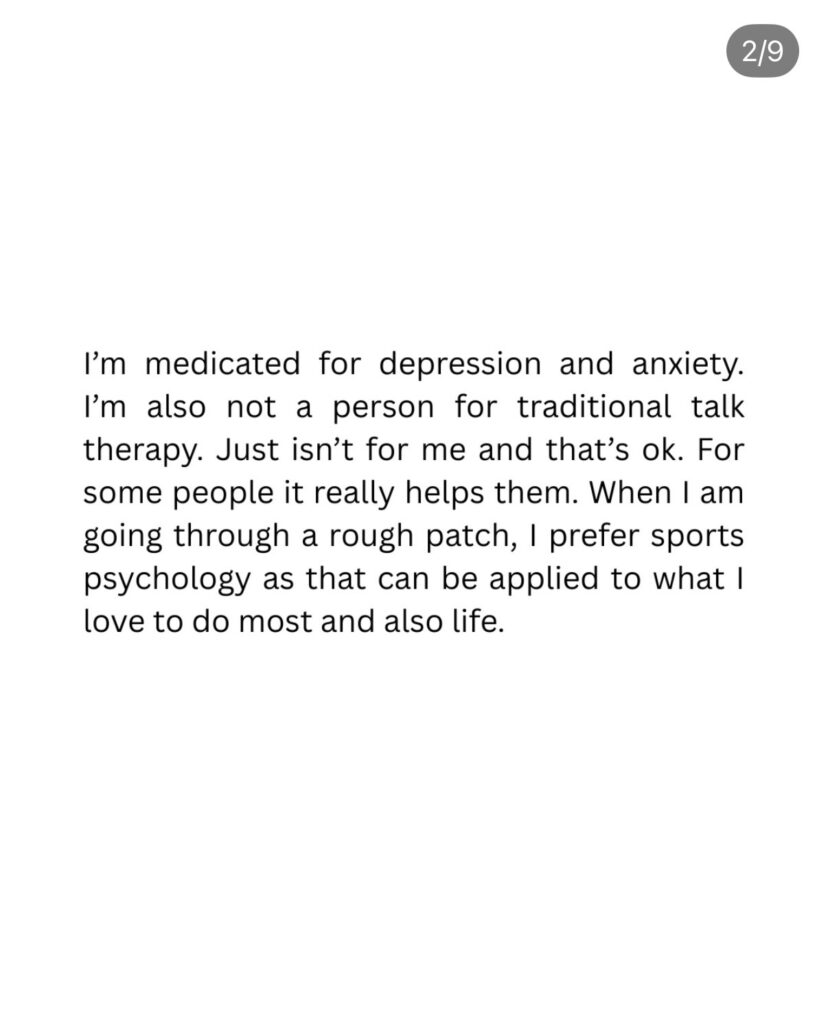
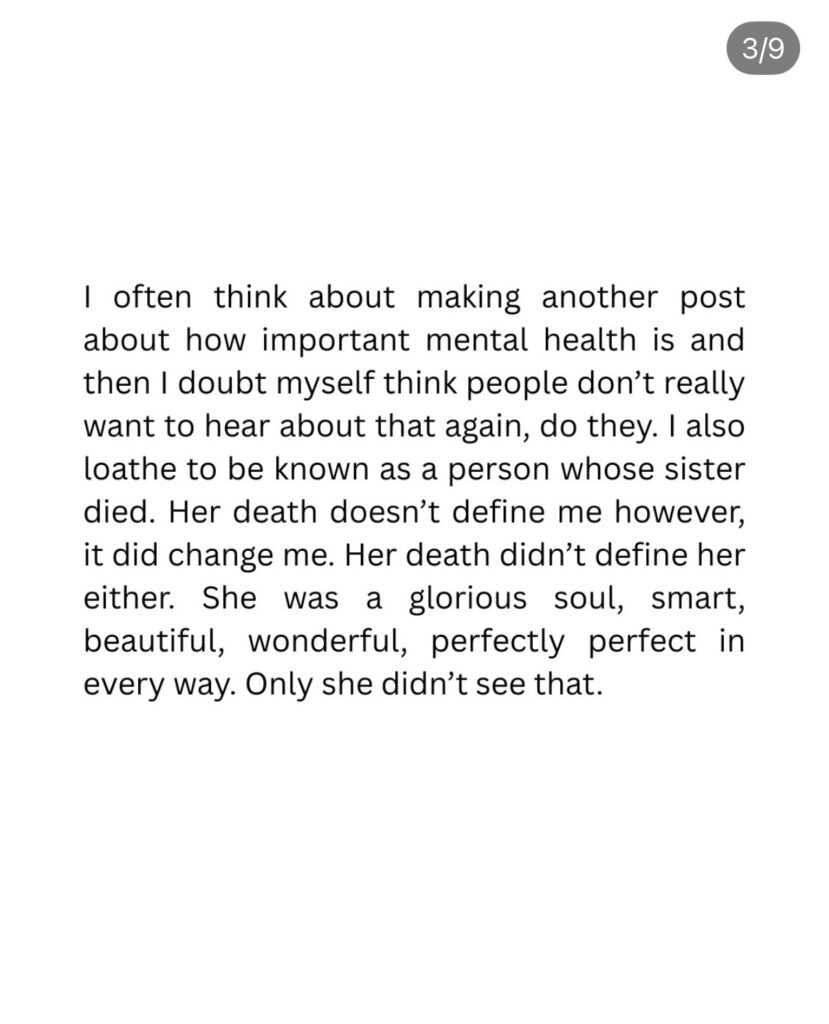
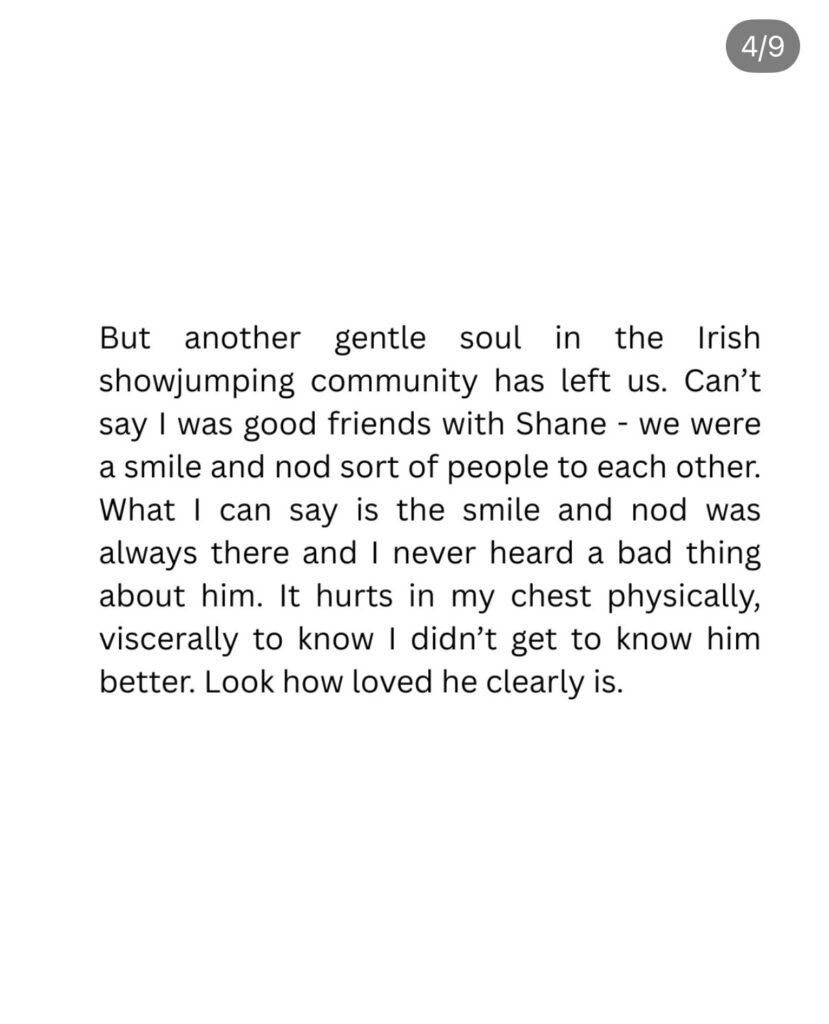

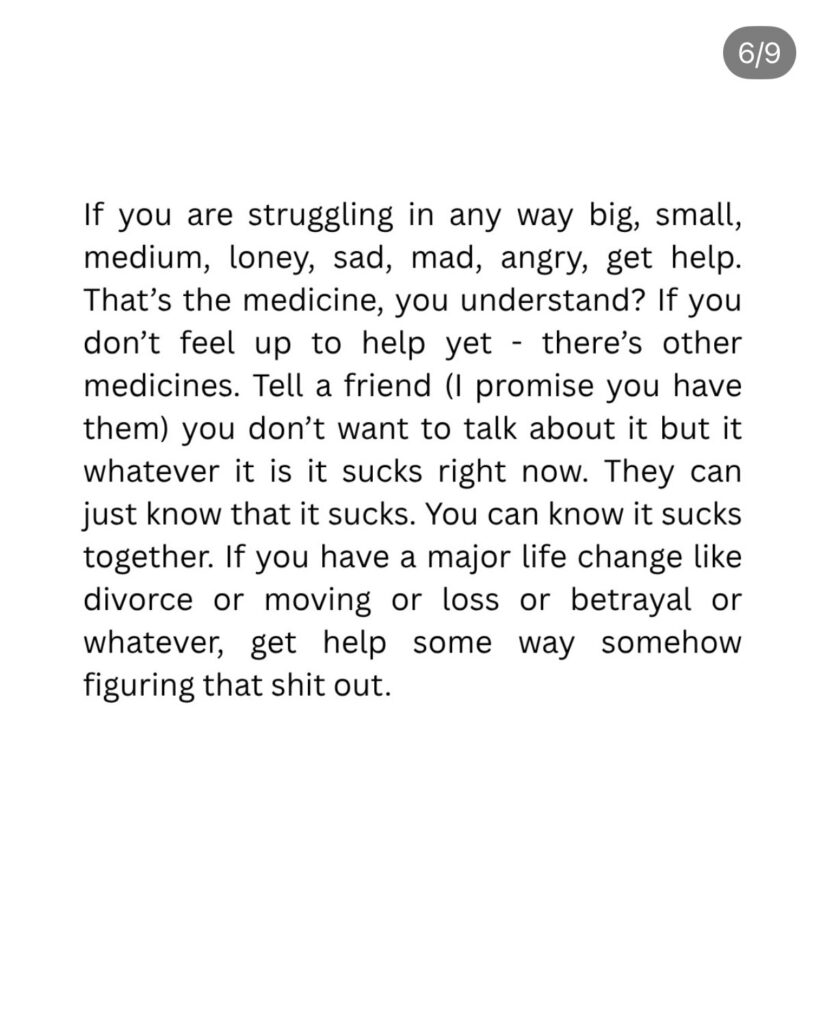
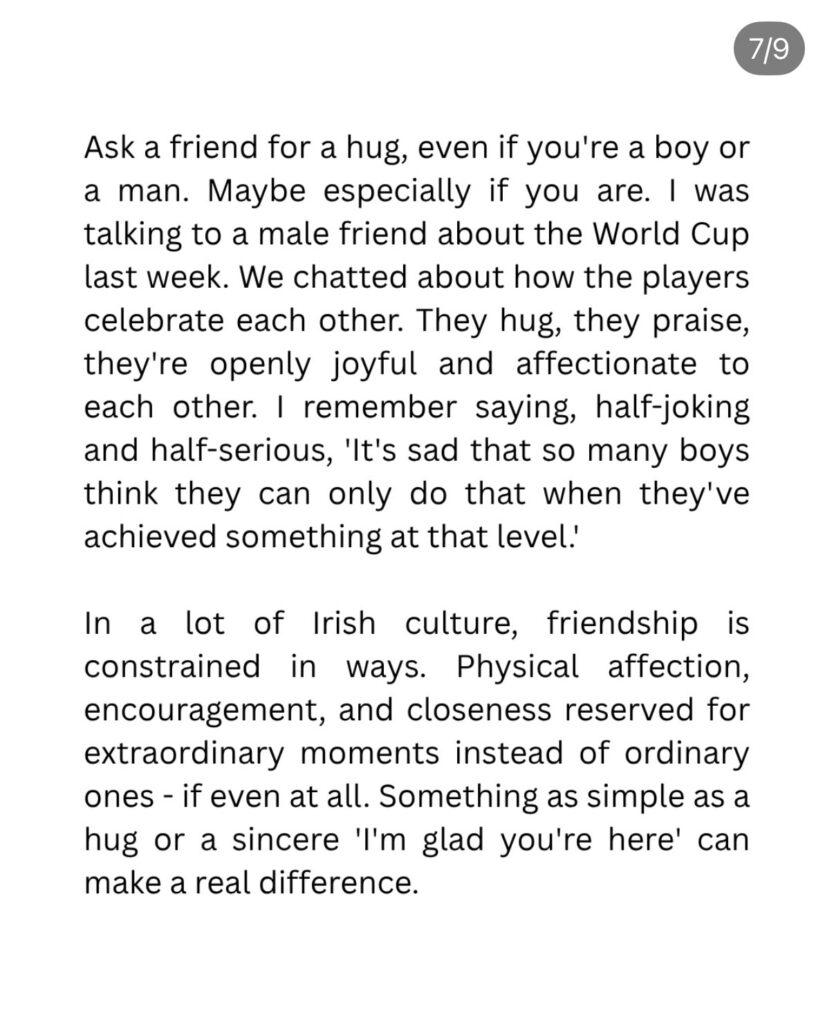

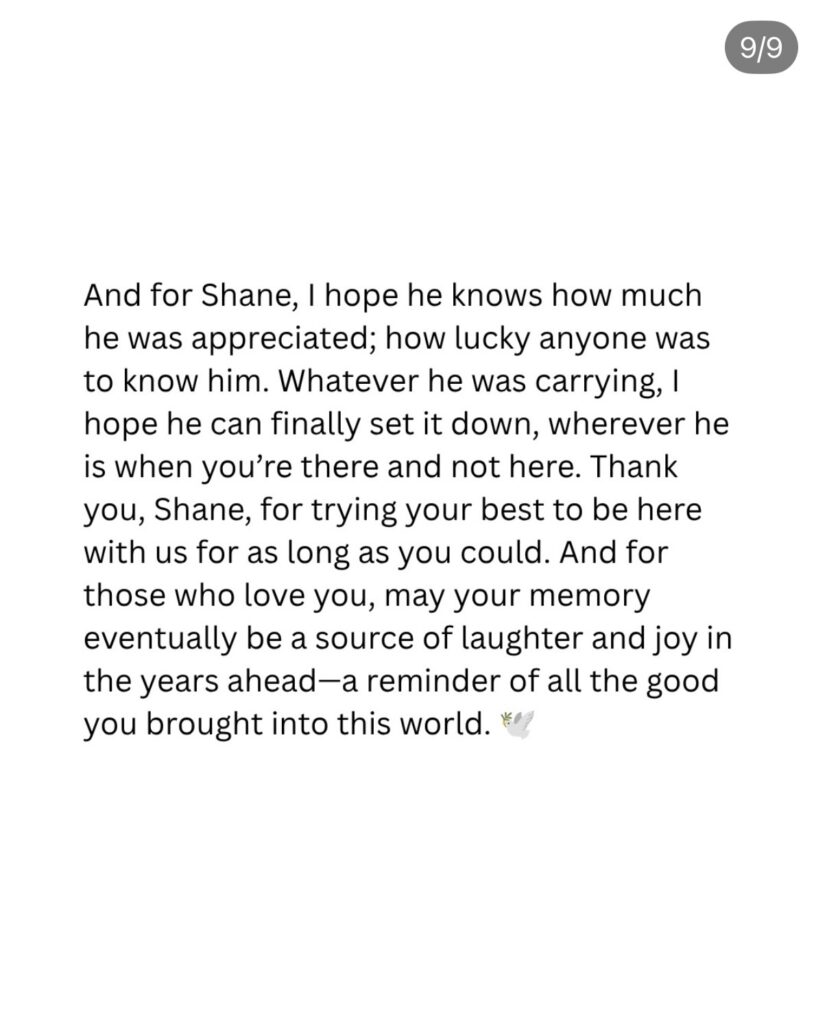
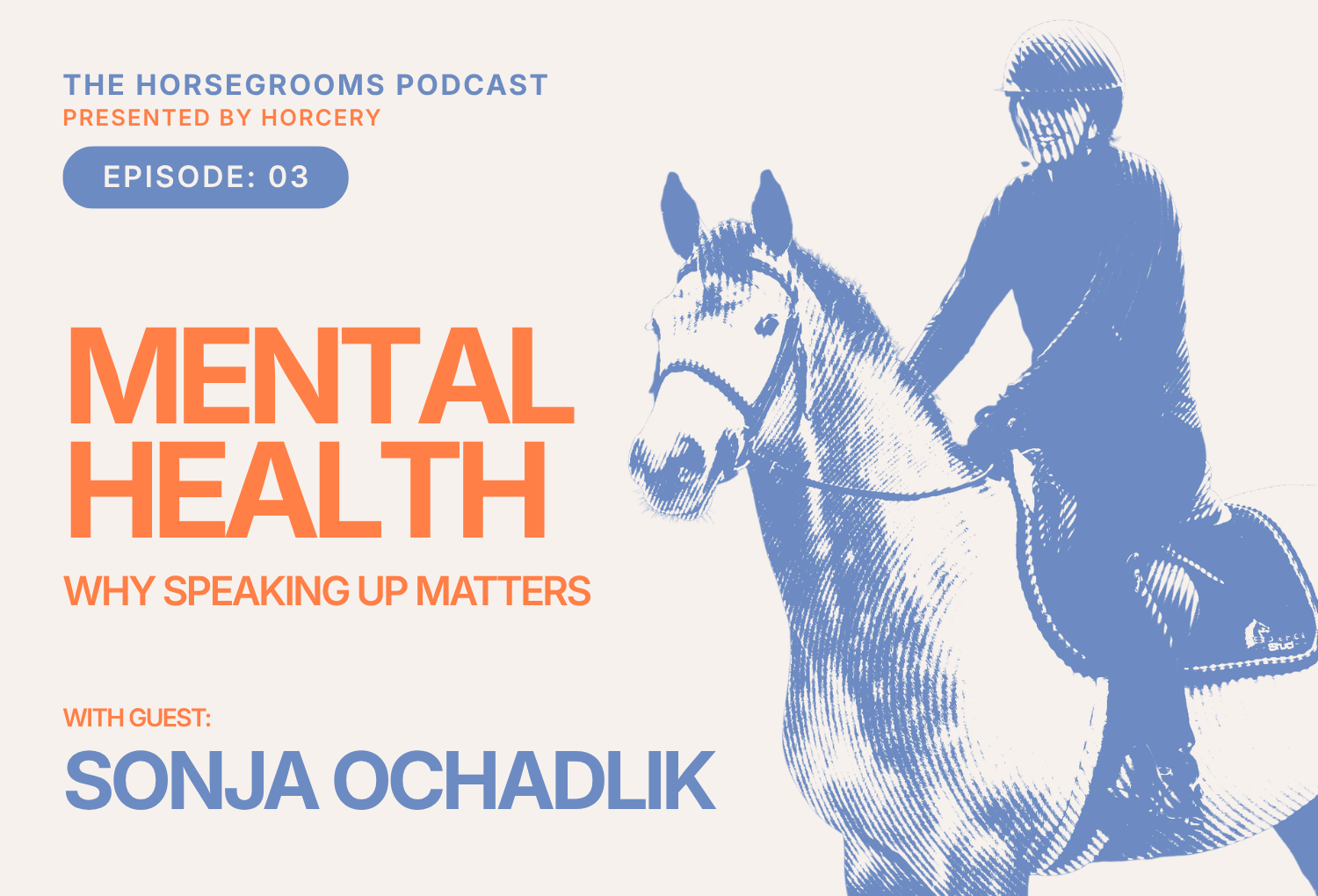
That willingness to speak openly became the starting point for her conversation with Dinette Neuteboom on the HorseGrooms Podcast. The goal was not to find simple answers to a complicated subject. It was to make space for a conversation that too often remains unspoken in the equestrian community.
If that conversation helps even one person feel less alone, both Sonja and Dinette believe it has been worth having.
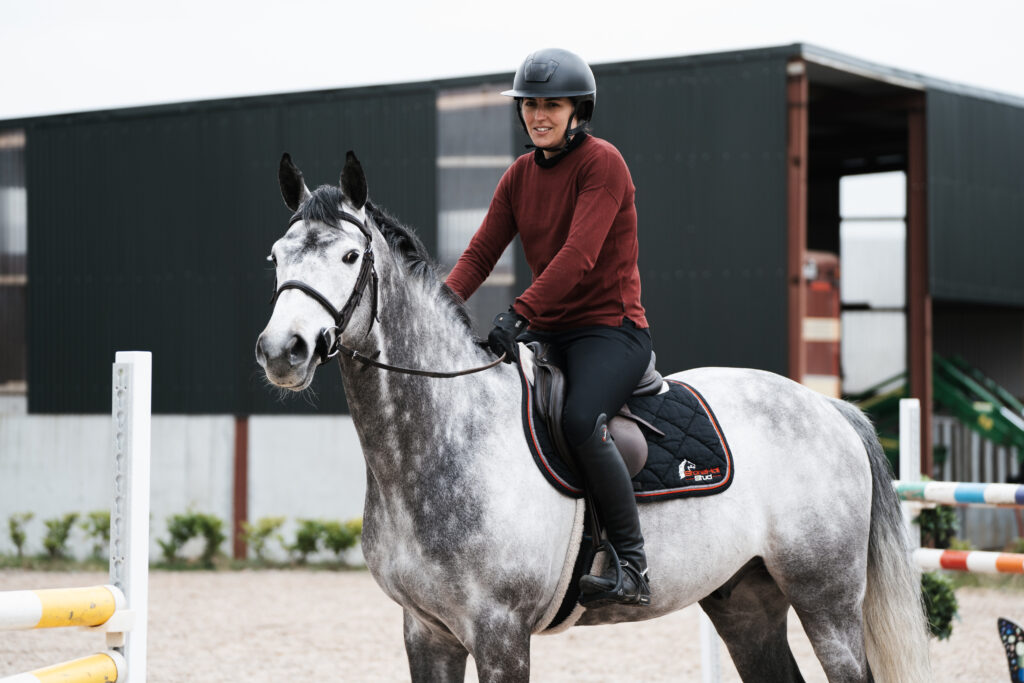
Sonja and her husband run a small stable in Ireland where they produce and source horses. Sonja rides, competes, manages the business, and remains closely involved in the daily care of the horses. Photos courtesy of Sonja Ochadlik
Mental Health Does Not Define a Person
One of the most important ideas Sonja shares is that a mental health diagnosis is something a person may live with and manage, but it does not define who they are.
Sonja has experienced depression and anxiety since childhood. More recently, receiving a fuller understanding of her mental health allowed her to see that some of the difficulties she had carried for years were not personal failures. They were health concerns that deserved attention and support.
She believes we should be able to talk about mental health as normally as we talk about physical health. “I think people should start saying that they have a mental health diagnosis as commonly as being like, ‘Oh my gosh, I have a bad left knee,’” she says. Someone with a painful knee might see a doctor, go to physical therapy, adjust their workload, or ask for help with a physically demanding task. We rarely expect them to hide the problem or overcome it through willpower alone.
Mental health deserves the same practical and compassionate response.
There Is No Single Right Way to Get Help
Sonja is also honest about the fact that not every kind of support works for every person. Traditional talk therapy did not feel right for her. Other approaches, including medication and working with a sports psychologist, helped her see more clearly and begin reframing some of her thinking.
This does not mean the same combination will work for everyone. It means that finding help may take time, experimentation, and the willingness to try another approach when the first one does not fit.
For one person, support may include therapy. For another, it may involve medication, a medical assessment, sports psychology, peer support, lifestyle changes, or a combination of several things.
Self-care can look different too. Sonja sometimes puts her phone on Do Not Disturb, spends time with her dogs, and reads a book. She also makes room for care that helps her manage her physical health.
The important lesson is not that everyone should follow Sonja’s path. It is that people deserve the opportunity to find a path that works for them.
Support Starts With Letting Someone Know
People cannot always see when someone is struggling.
The equestrian world is particularly good at presenting a polished exterior. Social media shows successful rounds, beautiful horses, busy businesses, and exciting travel. It rarely reveals financial pressure, physical exhaustion, difficult working relationships, loneliness, or the feeling that everyone else is coping better.
“Everyone struggles more than we realize,” Sonja says.
She does not claim to be an expert in recognizing warning signs. Instead, she focuses on knowing the people around her and noticing when their usual behavior changes.
Some of Sonja’s friends know that when she suddenly goes quiet, they should check on her. She does the same for them. Sometimes the explanation is simply that someone is busy. At other times, the question creates an opening.
The check-in does not have to be complicated. It might be:
- “You crossed my mind today.”
- “You seem quiet. Are you okay?”
- “I’m thinking about you.”
- “You don’t have to explain anything, but I’m here.”
- “I’m glad you’re here.”
The Complaints Department
Sonja even jokes with friends that she runs a “complaints department” and that the complaint line is always open. Not every difficult feeling needs to become a long or serious conversation. Sometimes people simply need somewhere safe to say that they are tired, angry, overwhelmed, or having a terrible day.
“It’s nice to know that someone else knows, even if there’s nothing really to do about it,” she explains.
Vulnerability Should Not Be Treated as Weakness
Being open involves risk. A person may fear judgment, rejection, misunderstanding, or professional consequences. Cultural expectations around toughness can make vulnerability especially difficult for men. Sonja would like to see more room for ordinary affection, encouragement, and closeness between friends. A hug, a kind word, or a sincere expression of appreciation should not be reserved only for major victories or moments of crisis.
“Getting the help is the normal part,” she says.
That sentence captures an important change the equestrian community can begin making. Struggling is not a moral failure. Crying is not weakness. Taking medication is not something to be ashamed of. Saying, “I’m not doing very well today,” should not threaten someone’s reputation or career.
Reaching out requires courage, but the people receiving that honesty also have a responsibility. They must listen without immediately judging, dismissing, gossiping, or trying to solve everything.
A Healthy Workplace Requires More Than Kind Words
Mental health conversations cannot focus only on what an individual should do. Employers and industry leaders must also examine the conditions in which people are expected to work.
Grooms and other horse care professionals spend their careers caring for horses, riders, owners, schedules, equipment, and entire teams. Their dedication can make it difficult for them to step away, even when they desperately need rest.
Sonja understands that instinct. She also has trouble letting go of the work in her own stable. But dedication does not remove the human need for sleep, recovery, time away, fair compensation, and a sustainable life. “If you’re an employer of people, the people you employ need days off,” she says. “They actually do need to be encouraged to take days off.”
Providing a day off on paper is not enough if the workplace culture makes someone feel guilty for taking it. Employers need adequate staffing and reliable systems so that one person can rest without believing the horses will suffer or the entire barn will fall apart.
Sonja is equally direct about pay and working conditions. “If you can’t afford to pay someone correctly or give them a sustainable way of life, then you need to look at your own business model.”
A positive workplace does not mean everyone must be cheerful all the time. It means people are treated as human beings. When someone is sick, they are allowed to be sick. When they are struggling, the response is not punishment or ridicule. When they need rest, the world is allowed to keep turning without them for a day.
This is not separate from horse welfare. Better-supported people are better able to provide consistent, attentive, compassionate horse care.
Building the Right Team Around You
Sonja has learned to communicate more clearly with the people closest to her. She may say that she cannot work until later that morning or explain when a situation is causing too much stress. That communication allows the people around her to understand what she needs and respond appropriately.
“We have a system, and we manage it,” she says.
Not everyone has a supportive partner or family nearby, but people can still build a team around themselves. That team may include friends, colleagues, a doctor, a mental health professional, a sports psychologist, or trusted people elsewhere in the horse world.
Support does not require one person to meet every need. It requires a network in which asking for help is possible.
Workplaces should become part of that support system too. When someone tells an employer or colleague they are struggling, their honesty should be handled with care, respect, and appropriate confidentiality.
“Please, Stay”
Near the end of the conversation, Dinette asks Sonja what she would say to a groom, rider, or other horse person who feels alone. Sonja’s answer is simple and direct: “I would want them to know that they’re not as alone as they might feel.”
The horse world can be rewarding, but it can also be isolating and emotionally and physically exhausting. Looking at other people can create the impression that they are managing everything easily. Often, they are carrying struggles that no one else can see.
Reaching out is not a weakness. It can be the first step toward finding a way forward.
“If someone is in a dark place right now, I would say, please stay,” Sonja says. “There’s an ebb and flow to life. Life is a lot of work, but we only get one of them, and the world and the people who care about you are better with you here.”
This conversation cannot solve the mental health challenges within the equestrian industry. But it can help make them easier to name. It can remind an employer to check on a groom. It can encourage a friend to send a message. It can help someone understand that the first form of support they try does not have to be the last. Most importantly, it may help someone recognize that they do not have to carry everything alone.
And if it helps one person, that is enough.
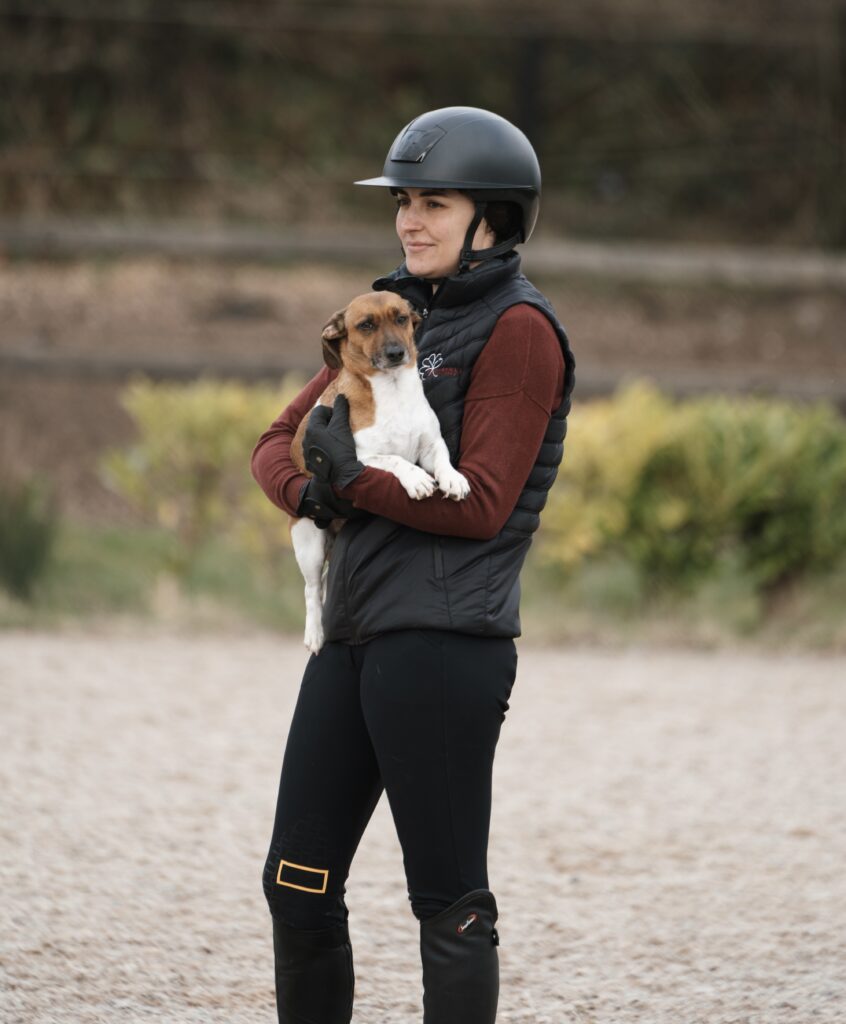
Thank you, Sonja, for speaking openly about mental health and helping bring this important conversation into the open.
Listen To The Full Podcast Episode With Sonja
Listen to our full conversation with Sonja Ochadlik on the HorseGrooms Podcast. The podcast is available on Spotify, Apple Podcasts, Amazon Music, iHeartRadio, and the Equus Radio Network.
If you value these conversations, please share the episode and leave a review of the HorseGrooms Podcast on your favorite podcast platform. Your review helps more people in the equestrian community find the podcast.
Mental Health Emergency Help Lines
If you or someone you know is in immediate danger, contact local emergency services. In Canada and the United States, call or text 988. In Ireland and the United Kingdom, Samaritans can be reached at 116 123. In Ireland, text free to 50808. This is a mental health crisis text line that is available 24/7. Riders Minds offers free, confidential mental health support and resources specifically for people in the equestrian community, including a 24-hour helpline. MiResource can help people in the United States find mental health care suited to their needs, preferences, location, and budget. Elsewhere, Find A Helpline can help you locate support in your country.
This Episode of the HorseGrooms Podcast is Presented By Horcery
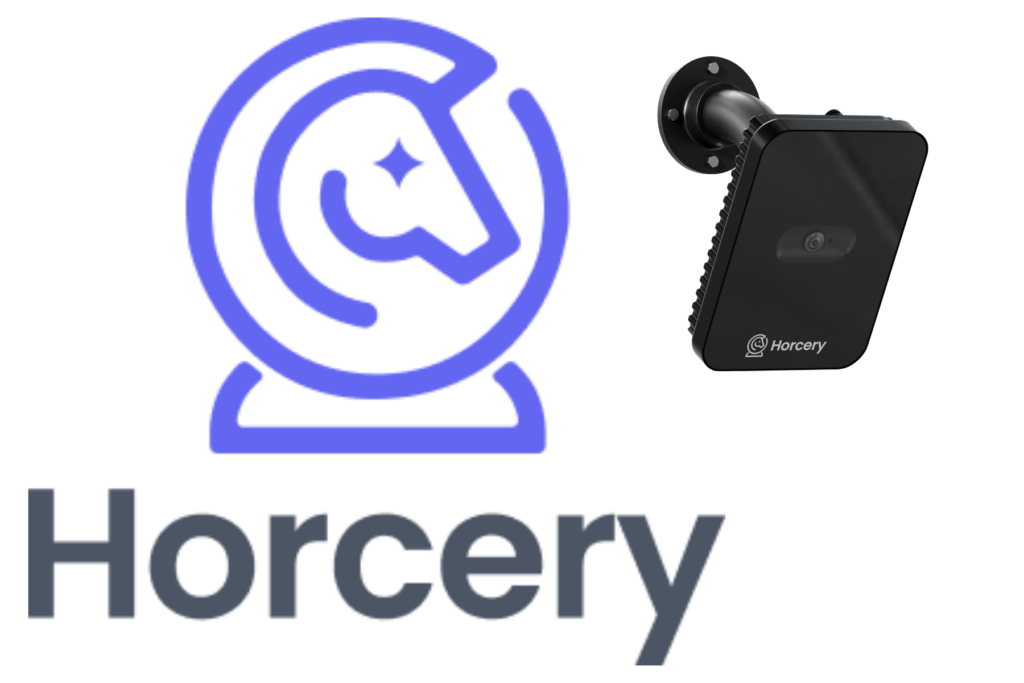
Horcery’s AI-powered Stall Monitor helps horse owners, grooms, and barn managers stay connected to their horses around the clock by monitoring activity inside the stall and sending intelligent alerts when unusual behavior occurs. It’s an extra set of eyes that can provide valuable peace of mind when you’re away from the barn.
HorseGrooms listeners receive 5% off a Horcery Stall Monitor with the discount code HORSEGROOMS05.
Read this article or go to horcery.com to learn more about these helpful tools in the barn.
More HorseGrooms Resources
Looking for more practical horse care education?
Subscribe to the HorseGrooms monthly Newsletter to not miss anything, explore the HorseGrooms articles, educational webinars, HorseGrooms Community, and HorseGrooms Insiders, where experienced horse care professionals from around the world share the knowledge that helps horses thrive.
Become a HorseGrooms Insider to receive access to exclusive webinars, live Q&A sessions with industry experts, educational resources, mentorship, discounts, perks, and more. Everything is free when you are an Insider.
Use the discount code HGPODCAST to receive 10% off your HorseGrooms Insiders membership.
HorseGrooms is a platform of resources, education, and support for grooms by grooms. This is an online community, hub of resources, and spotlight of industry highlights born out of love for the horse and love for the sport. But our mission goes beyond simply providing resources and creating content.
Our goal is to create a space to keep horsemanship alive; for grooms to support and educate each other; and to help advance the craft of grooming. HorseGrooms is dedicated to ambitious grooms everywhere.