



If you don’t work with horses, the word “groom” probably doesn’t tell you very much. You might think of the man getting married. Perhaps you think of a “horse groom”, and you picture someone brushing a horse, cleaning a stall, or getting a horse ready before a competition.
And yes, professional grooms do those things. But that is a little like describing a Formula 1 mechanic as someone who changes tires. It is technically true, but it just doesn’t come close to explaining the job.
Professional grooms are the people responsible for much of the daily care, management, preparation, and observation of horses. Depending on where they work, they may care for pleasure horses, racehorses, breeding horses, young horses, or some of the best competition horses in the world.
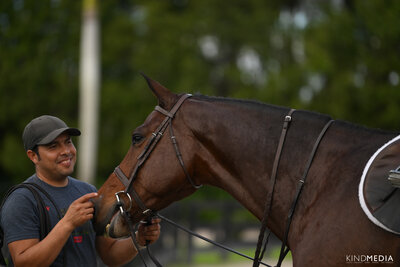
Their exact responsibilities vary enormously. But at the heart of the profession is something very simple: The groom is often the person who knows the horse best.
Much More Than Brushing Horses
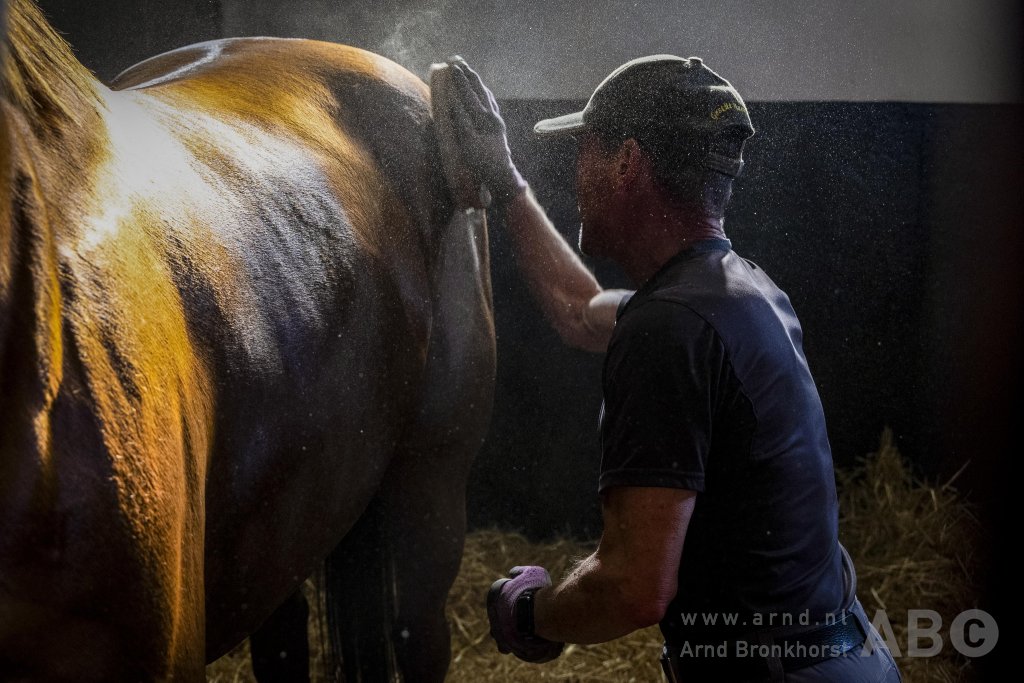
The word “groom” can be misleading to someone outside the equestrian world because grooming a horse is only one part of the job.
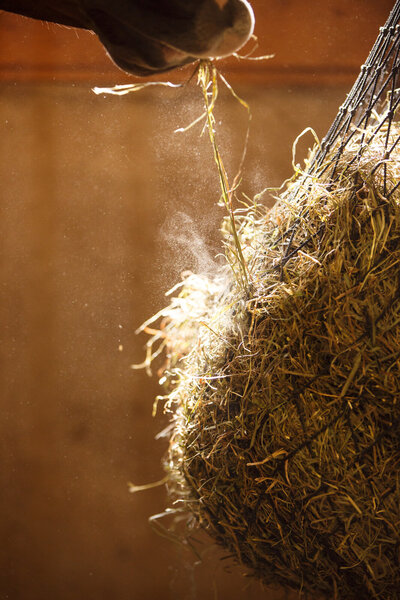
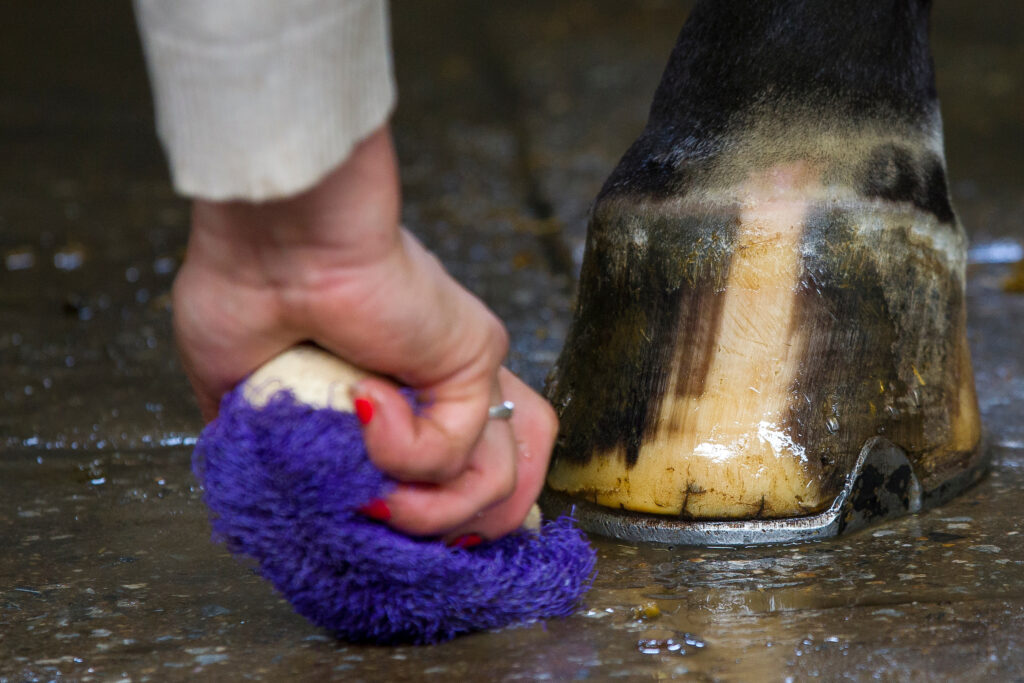
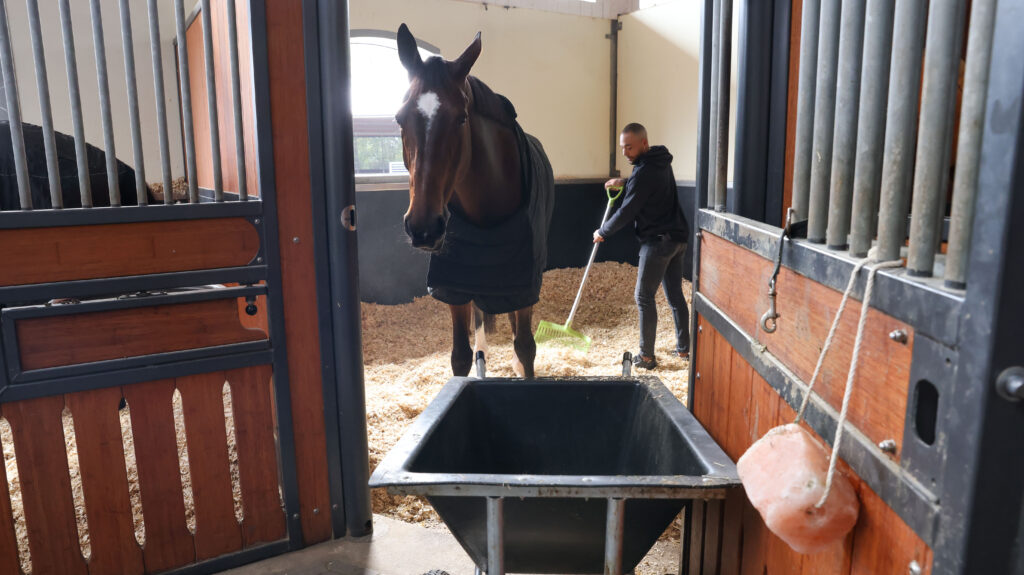
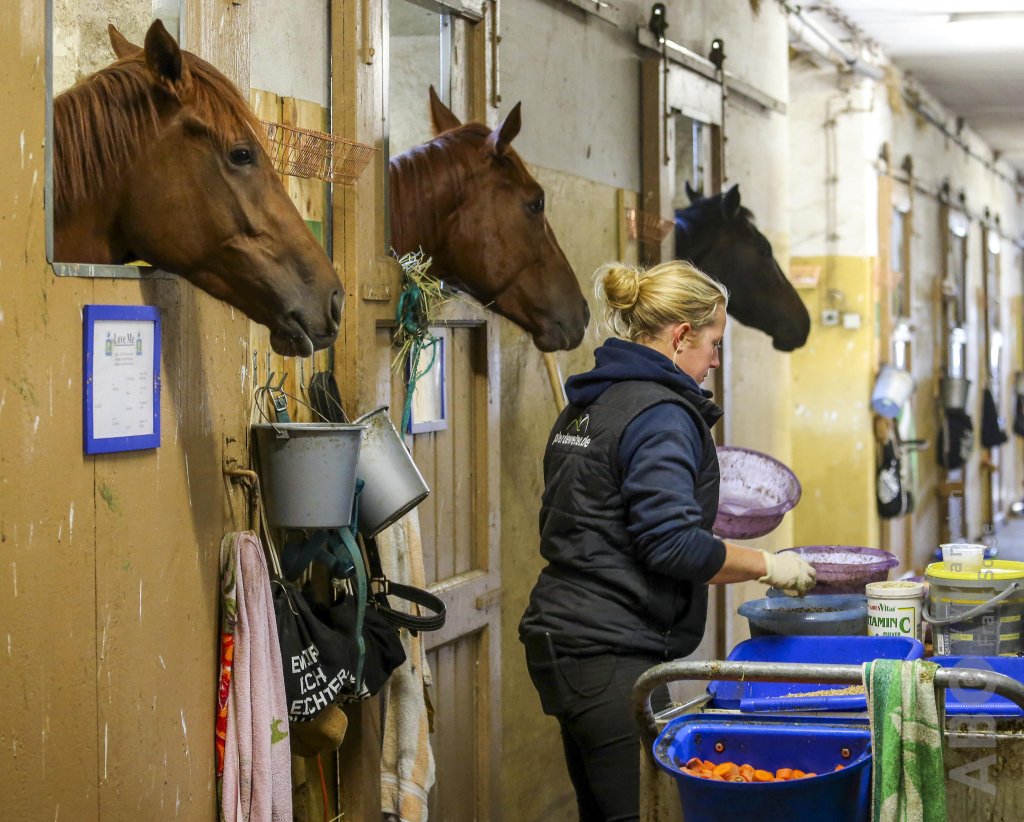
A professional groom may feed horses, muck stalls, prepare feed and supplements, manage turnout, exercise horses, clean and maintain equipment, administer medications under veterinary direction, care for legs and feet, prepare horses for competition, load and unload horses, drive trucks, travel internationally, organize supplies, maintain records, communicate with veterinarians and farriers, and keep an entire barn running on schedule.
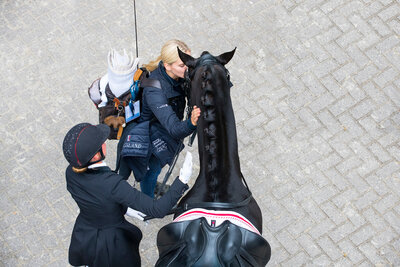
At a competition, the groom may be responsible for everything the horse needs before and after the few minutes the public actually sees.
And that is where comparisons with other sports can be useful.
Think of a Groom as Part of the Support Team Behind an Athlete
Professional sport is rarely about the athlete alone. A top human athlete may have a coach, physiotherapist, nutritionist, equipment manager, medical team, travel coordinator, and other professionals working behind the scenes.
Equestrian sport is unusual because there are two athletes: the human and the horse. The horse cannot book a physiotherapy appointment, explain that something feels different today, pack for a competition, prepare a meal, check a passport, or tell the veterinarian exactly when a change first appeared.
Someone has to know that horse well enough to notice. Very often, that person is the groom.
Observation Is One of the Most Important Skills
One of the hardest parts of professional grooming to explain is also one of the most valuable.
Good grooms notice things. They know which horse normally finishes every bucket of water and which one doesn’t. They know how much a horse usually eats, how it stands in its stall, what its legs normally feel like, how much manure it produces, whether it tends to lie down at night, and what its normal energy level is.
They notice when a leg feels slightly warmer.
When a horse takes longer to finish breakfast.
When the manure looks different.
When a horse seems unusually quiet.
When a shoe is beginning to loosen.
When something simply doesn’t look or feel quite right.
None of those observations automatically means something is wrong. A professional groom is not a veterinarian and should not try to replace one.
The skill is knowing the horse’s normal well enough to recognize a change and knowing when that change should be brought to the attention of the rider, trainer, barn manager, veterinarian, farrier, or another member of the care team. That knowledge develops through education, experience, and thousands of hours spent around horses.
Part Horseperson, Part Manager, Part Problem Solver
The easiest way to explain the range of skills involved may be to compare them with jobs outside the horse world. Depending on the position, a professional groom can be a little bit of all of these:
Veterinary assistant.
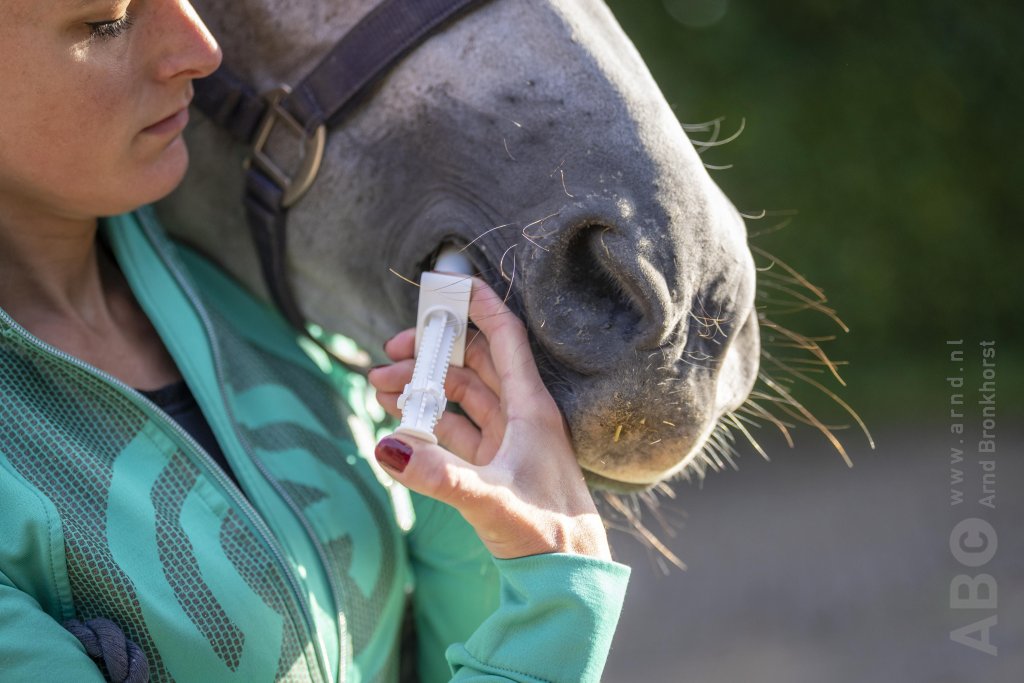
Grooms frequently work alongside veterinarians, they consult the vet when something seems off, help with examinations and treatments, monitor horses afterward, administer prescribed medications when appropriate, and report changes.
Logistics manager.
Taking several horses to a national or international competition involves an extraordinary amount of organization. Feed, equipment, medication, blankets, tack, paperwork, schedules, transportation, stabling, and countless other details all have to arrive in the right place at the right time.
Professional driver.
Some grooms drive large horse trucks thousands of miles every year. Their passengers happen to be living animals who need careful monitoring, appropriate rest, water, ventilation, and safe handling throughout the journey.
Inventory manager.
A professional stable can contain large quantities of feed, supplements, medication, bedding, tack, blankets, boots, veterinary supplies, and equipment. Running out of something important halfway through a competition is not an option.
Secretary and administrator.
Depending on the stable, grooms may help manage health certificates, horse passports, veterinary records, appointments, schedules, competition information, travel documents, and other paperwork.
Travel coordinator.
Imagine packing for an athlete who cannot pack for themselves and whose health and performance depend on maintaining their routine as closely as possible. Now imagine doing that for several horses for weeks or months at a time.
Equipment manager.
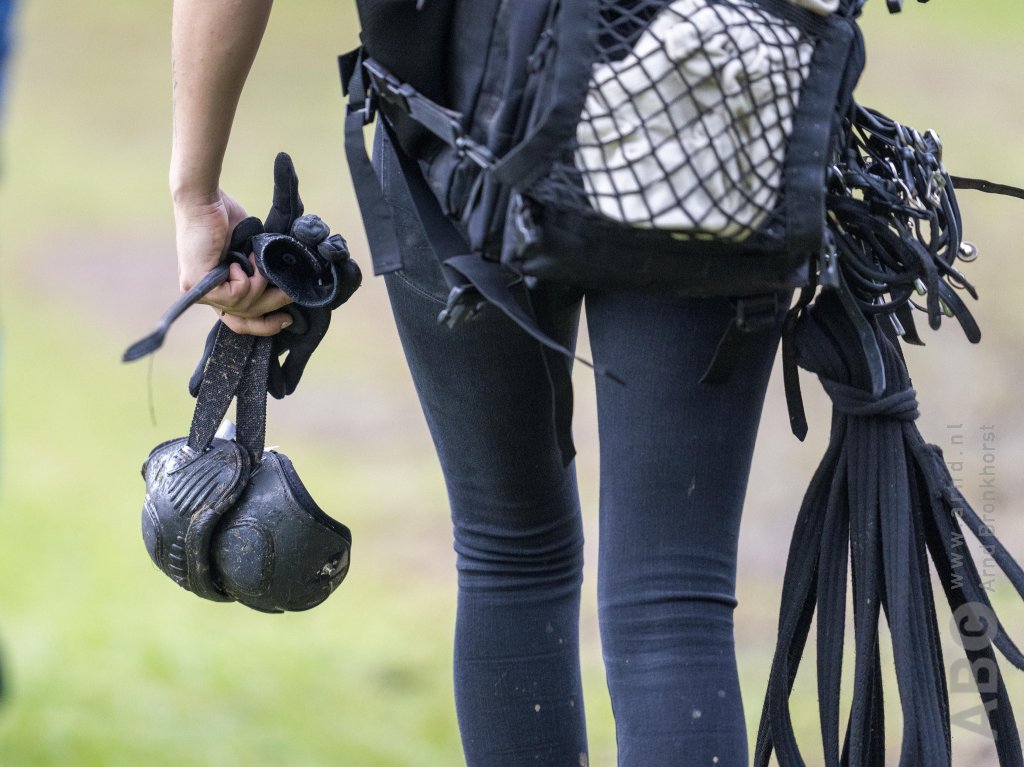
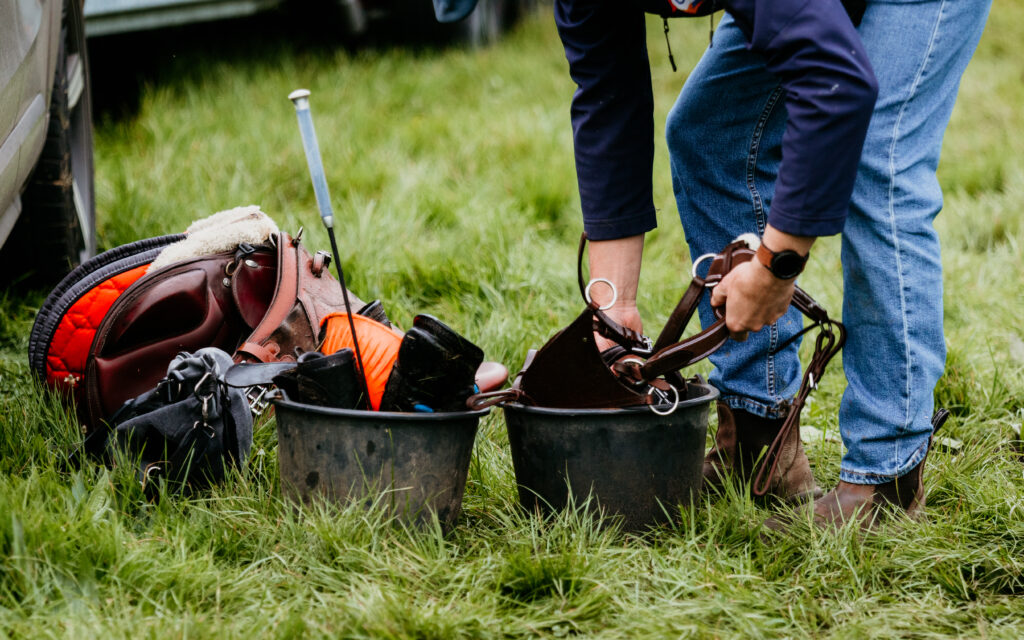
Saddles, bridles, boots, blankets, grooming equipment, and other tack need to be clean, safe, properly maintained, and ready when required.
Social media assistant.
In some modern competition barns, grooms also take photos and videos, provide updates about horses, and contribute to the social media presence of riders, owners, and businesses.
And then there are all the unexpected jobs that don’t fit neatly into any category.
A broken piece of equipment needs fixing, a horse loses a shoe, the truck is delayed, a delivery doesn’t arrive, the weather suddenly changes, a horse won’t drink while traveling, the schedule changes.
A groom learns to be flexible and solve problems because horses do not stop needing care when the plan changes.
What Happens at a Horse Show?
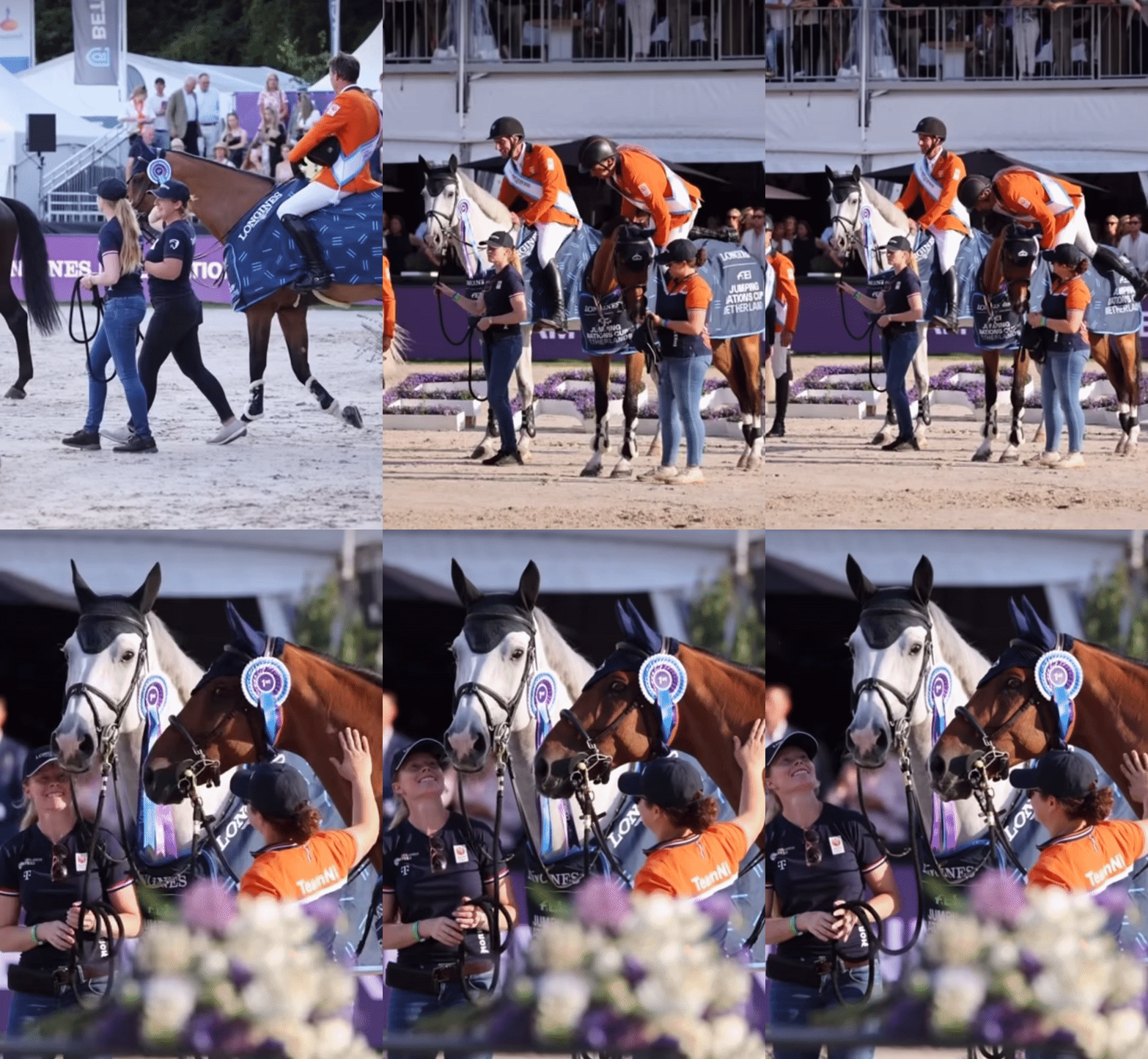
This is perhaps where the profession is most invisible. Spectators see a beautifully presented horse enter the arena. They may see the rider compete for 90 seconds and then leave the ring.
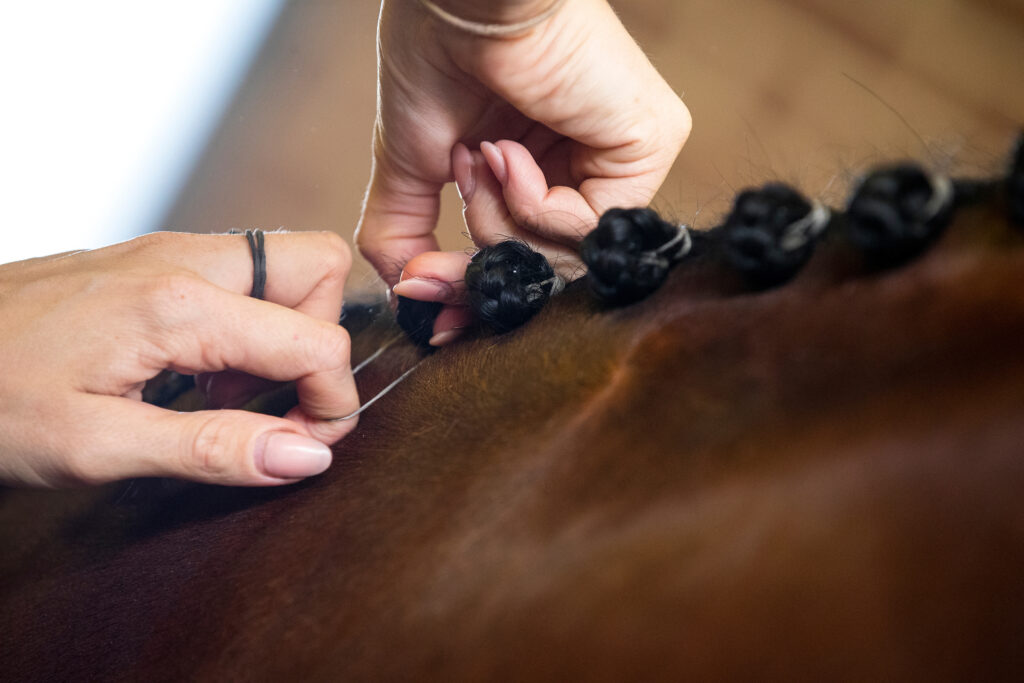
For the groom, those 90 seconds may be the culmination of hours of preparation that day and weeks, months, or even years of care before it. The day might have started hours before the competition. The horse has to be fed, checked, mucked out, exercised or hand-walked, groomed, prepared, tacked up, and brought to the rider at the correct time.
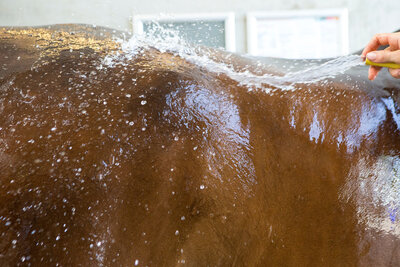
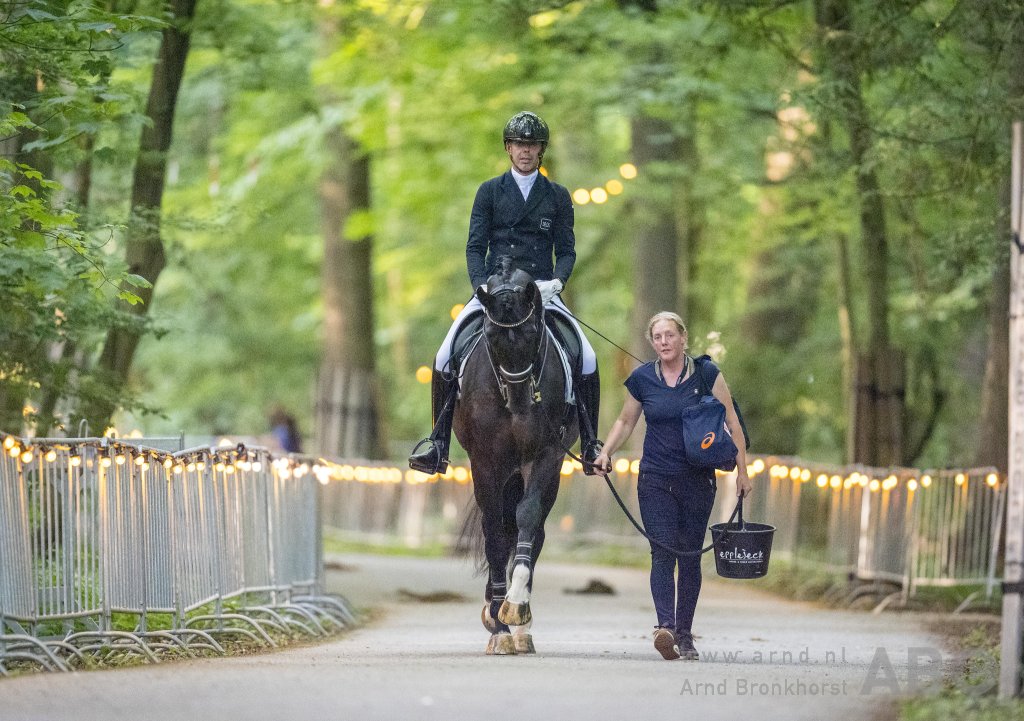
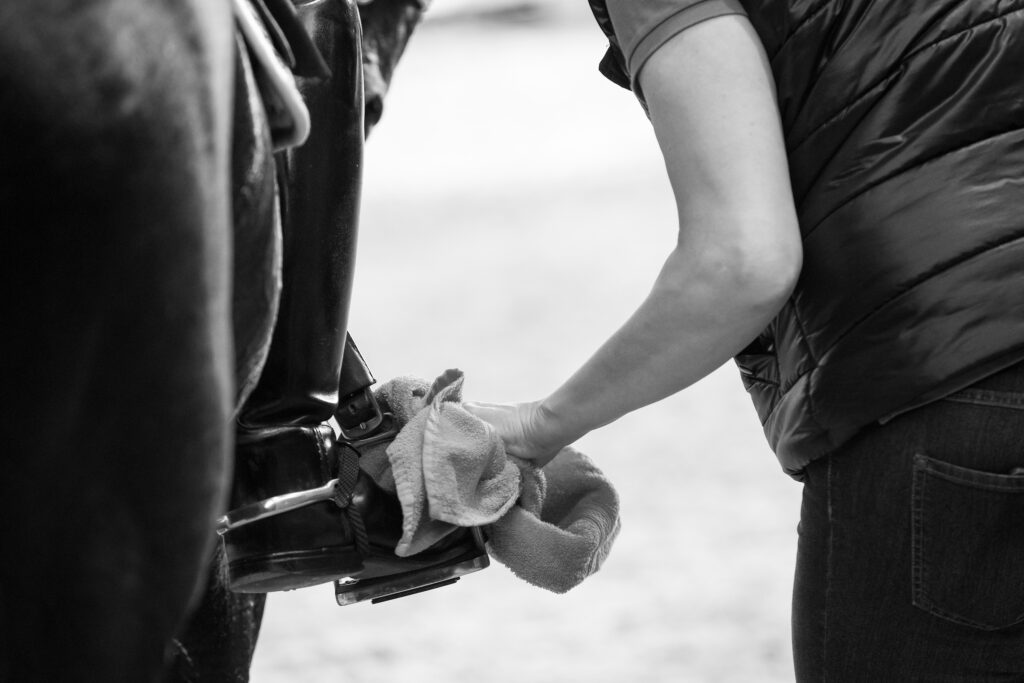
After competing, the horse’s care continues. It may need to be cooled down, washed, walked, fed, watered, checked, wrapped, given therapies, treated according to its established care plan, and monitored.
Then everything has to be prepared again for tomorrow. The groom’s job is not finished when the horse leaves the arena. In many ways, that is when another part of it begins.
The Responsibility Can Be Enormous
At the highest levels of equestrian sport, grooms can be entrusted with horses worth hundreds of thousands or even millions of dollars. They may drive those horses across countries or fly with them across continents.
That financial value sounds impressive, but it is not really the most important part. The horse is a living animal, no matter its value. That is where the true responsibility lies.
A truck carrying competition horses is not simply transporting valuable cargo. It is transporting animals whose safety and wellbeing depend on the people caring for them.
Good professional grooms understand that distinction.
Not Every Groom Has the Same Job
It is important not to romanticize or generalize the profession. There is no single job description for “groom.”
A home groom caring for horses at a private stable may have a very different day from a groom traveling on the international show-jumping circuit.
A racing groom works in a different environment from a dressage groom.
A breeding farm, riding school, rehabilitation facility, polo yard, eventing stable, and veterinary hospital may all require different skills from a groom.
Some grooms ride. Some don’t.
Some drive trucks. Some don’t.
Some travel constantly. Others rarely leave the farm.
Some manage teams of employees and essentially function as managers. Others work under an experienced head groom.
There are entry-level grooming jobs, but there are also highly experienced professionals who have spent decades developing their knowledge.
“Groom” describes an enormous range of careers.
There Is Physical Work Too
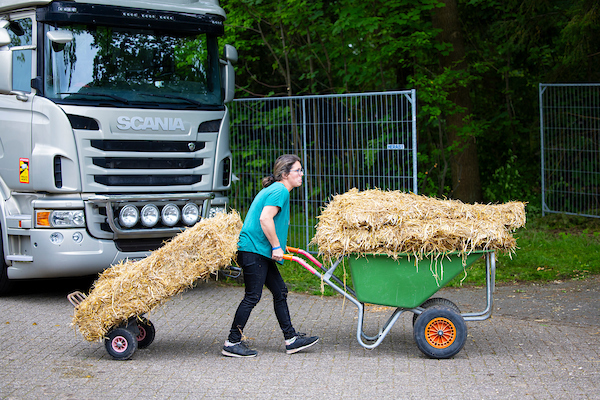
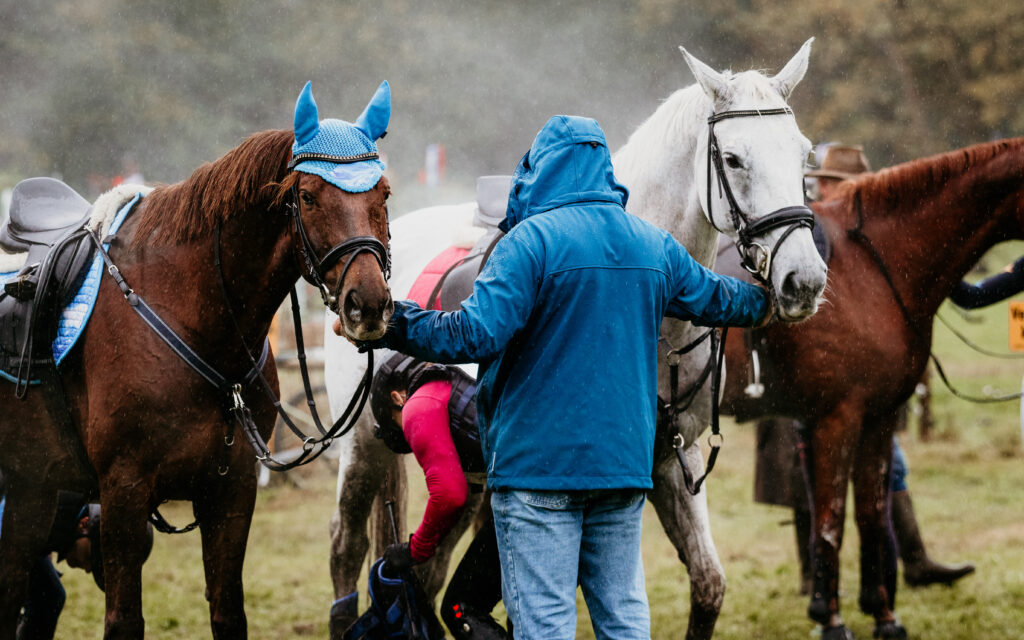
None of this means we should pretend grooming isn’t physically demanding. Because it is. Stalls need mucking, water buckets need carrying, hay needs moving, horses need walking, equipment needs cleaning.
Days can be long, weather can be miserable, and horses still require care on weekends, holidays, and at 5:00 in the morning.
There are parts of the profession that the equestrian industry needs to continue improving, including working conditions, compensation, time off, career sustainability, and professional recognition.
But physical work and professional skill are not opposites. A job can involve getting dirty and still require tremendous knowledge.
Why Good Grooms Matter
There is another comparison that may help people outside the horse world understand the profession.
Think about aviation. A successful flight is not only the result of what the pilot does in the cockpit. It depends on maintenance crews, ground staff, air traffic controllers, engineers, dispatchers, and many other people doing their jobs correctly behind the scenes. Most passengers will never know their names, but that doesn’t make their work less important.
Equestrian sport is similar. When everything goes well, much of the work behind the performance is almost invisible. The horse arrives safely, the equipment is ready, the schedule works, the horse is healthy, small changes are noticed early, and the veterinarian receives useful information. The rider can concentrate on riding. And the horse walks into the arena looking as though all of this happened effortlessly.
Only, it didn’t… There were people behind that moment. And very often, one of the most important was the groom.
A Profession Worth Understanding
At HorseGrooms, we believe professional horse care deserves professional recognition. That doesn’t mean every groom is an expert, just as not everyone working in any profession has the same level of education or experience.
It means recognizing that grooming itself can be a skilled profession.
Great grooms combine horsemanship, observation, organization, practical ability, communication, and an enormous capacity for responsibility. They work alongside riders, trainers, owners, veterinarians, farriers, physiotherapists, nutritionists, and many others as part of the team responsible for a horse’s wellbeing.
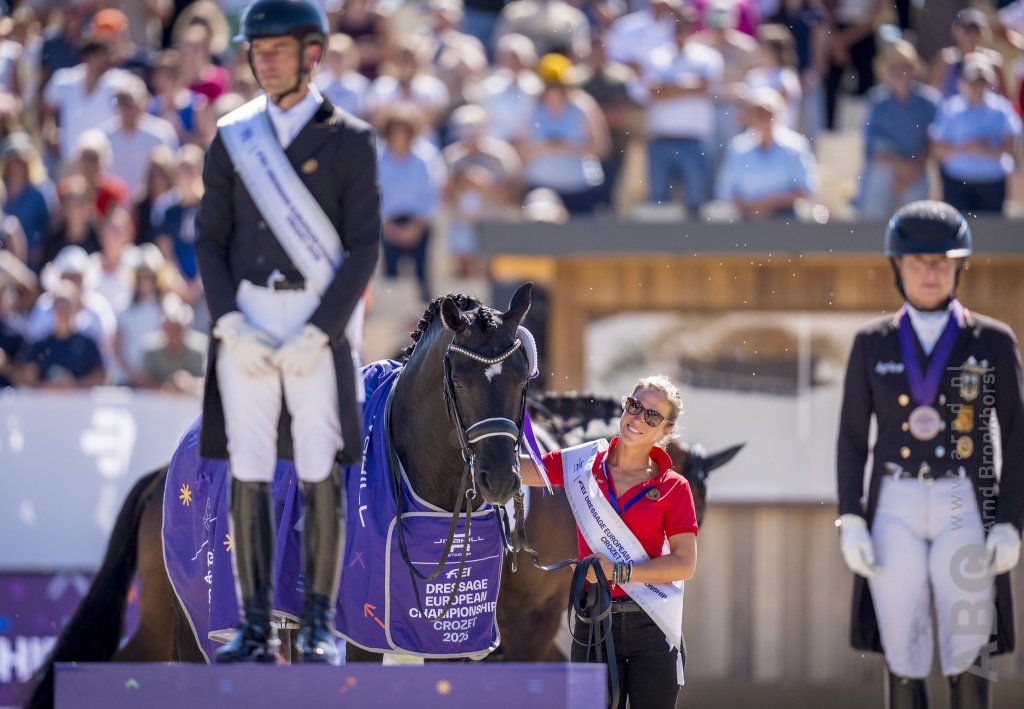
The public may only see the horse entering the ring. We want to help people understand everything that happened before that moment. Because once you understand what professional grooms actually do, it becomes much easier to understand why they matter.
Photos courtesy of Arnd Bronkorst, Shelley Paulson Photography, Digishots, Eva van den Adel and Sanne Edelijn.
HorseGrooms is a platform of resources, education, and support for grooms by grooms. This is an online community, hub of resources, and spotlight of industry highlights born out of love for the horse and love for the sport. But our mission goes beyond simply providing resources and creating content.
Our goal is to create a space to keep horsemanship alive; for grooms to support and educate each other; and to help advance the craft of grooming. HorseGrooms is dedicated to ambitious grooms everywhere.